
China electric vehicle manufacturers are storming the countryside in a strategic pivot to unlock half a trillion yuan in untapped demand, confronting charging infrastructure deficits head-on as the government’s six-year rural campaign enters its most aggressive phase.
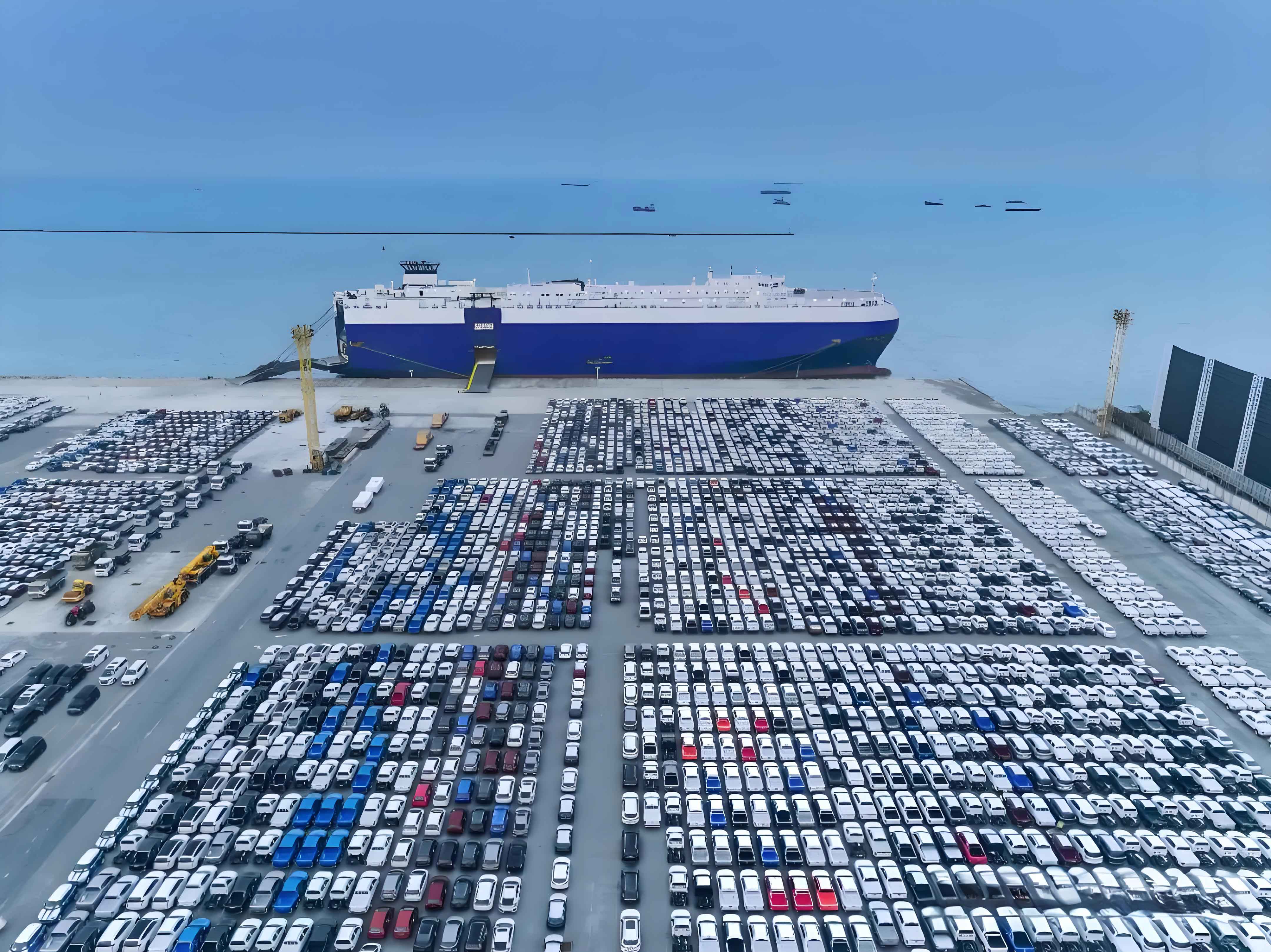
Unprecedented Scale and Diversity
The 2025 National New Energy Vehicle (NEV) Rural Promotion Initiative, launched in Jiangsu’s Rugao County, features a record 124 China electric vehicle models—a 25% jump from 2024. Premium brands dominate the expanded lineup: Zeekr 001, Tesla Model Y, and Tank 500 (priced above $27,500) now target rural consumers alongside budget micro-EVs. “This reflects manufacturers recognizing villages as core growth territories,” states Xu Haidong, Deputy Secretary-General of the China Association of Automobile Manufacturers (CAAM).
Five years of groundwork show staggering results:
- 1.5 million rural NEV sales since 2020, with 2023 alone hitting 320,870 units—a 123% YoY surge.
- NEV ownership now reaches 1 per 5 households in key regions.
- Yet rural NEV penetration remains at 5%, dwarfed by cities’ 32% (CAAM data).
“China’s countryside represents a colossal blue ocean,” asserts Cui Dongshu, Secretary-General of China Passenger Car Association. “By 2030, rural auto ownership will hit 70 million vehicles—a $70 billion (500B RMB) market.”
Policy-Industry Synergy Fuels Momentum
A dual-engine strategy propels the campaign:
- Central Incentives: Extended tax breaks covering both NEVs and fuel vehicles.
- Local Tailoring:
- Liaoning’s “Revitalize Consumption” drive (100+ county-level events through December 2025)
- Hainan’s provincial subsidies for EV swaps
- Guangdong’s dealer alliances offering instant rebates
Automakers amplify the push: Dongfeng, Li Auto, and Wuling slashed prices by 10-15% at the Rugao launch, while banks rolled out near-zero-interest loans. “Government scaffolds the stage; enterprises perform,” Xu notes. “This symbiosis will unleash pent-up rural demand.”
Charging Infrastructure: The Make-or-Break Battle
Despite progress, charging deserts plague 60% of townships. “Low population density deters investors—ROI timelines exceed urban projects by 3x,” admits Xu. The math is stark: Installing one rural fast-charging pile costs $8,200 versus $5,300 in cities (Ministry of Industry and IT data).
2025 Countermeasures:
- “100 Counties, 1,000 Stations, 10,000 Chargers” Pilot: 75 counties prioritized for state-funded charging hubs, with top performers eligible for $6.2 million (45M RMB) annual subsidies.
- Grid upgrades targeting logistics corridors and tourist zones.
- Private sector incentives: Reduced land fees for charging operators.
Quan Zongqi of China Electric Vehicle Charging Infrastructure Promotion Alliance confirms acceleration: “National charging points hit 14.065 million by April 2025—124,700 added in Q1 alone.“
Strategic Imperatives Beyond Charging
While infrastructure gaps dominate headlines, ancillary challenges loom:
- Service Networks: “Rural service centers lack EV-trained technicians,” warns Zhu Junyu of CCID Think Tank. “A single county might have one certified NEV mechanic per 50 vehicles.”
- Usage Education: 42% of potential buyers cite “battery anxiety” despite 90% of rural daily commutes under 30km (CAAM survey).
- Product-Market Fit: Micro-EVs under $11,000 dominate sales, but pickup trucks and hybrid commercial vans emerge as dark horses.
The $70 Billion Horizon
As China electric vehicle adoption urbanizes, the countryside offers explosive headroom:
- 169% YoY sales growth in 2021, dwarfing the national average.
- EV logistics vehicles projected to grow 200% by 2027 as e-commerce permeates villages (CICC report).
- Solar-integrated charging stations pilot-tested in Shandong, reducing grid strain.
“Rural China isn’t just an incremental market—it’s the next market,” contends Cui. “Solving charging access could trigger an NEV adoption cascade comparable to cities’ 2015-2020 boom.”
Pathways to 2030
The campaign’s success hinges on three pivots:
✅ Hyperlocal Charging Models: Village-owned solar charging co-ops with state subsidies.
✅ Mobile Service Units: OEM-funded roving repair vans to offset sparse dealerships.
✅ Battery-Swapping Leaps: CATL’s 1-minute swap stations trialed in Fujian’s mountainous counties.
With provincial governments allocating $1.4 billion (10B RMB) for 2025-2026 charging projects, and NEV giants like BYD dedicating 30% of new R&D to rural-optimized tech, the infrastructure gap is narrowing. Yet as Xu stresses, “Powering China electric vehicle dreams requires more than plugs—it demands profitable and sustainable ecosystems where every invested yuan earns its keep.”