
The pursuit of higher energy density and enhanced safety has positioned all-solid-state lithium batteries at the forefront of next-generation energy storage technologies. The core enabler of this technology is the solid-state electrolyte (SSE), which replaces the flammable liquid electrolyte in conventional lithium-ion cells. Among the various SSE families, solid polymer electrolytes (SPEs) offer distinct advantages such as excellent processability, good interfacial contact with electrodes, and superior compatibility with existing lithium-ion battery manufacturing infrastructure. However, the widespread commercialization of SPE-based all-solid-state batteries is currently hindered by two fundamental challenges: low ionic conductivity at ambient temperatures and a narrow electrochemical stability window, which limits compatibility with high-voltage cathodes. My research focuses on addressing these critical bottlenecks through innovative molecular design of the polymer host.
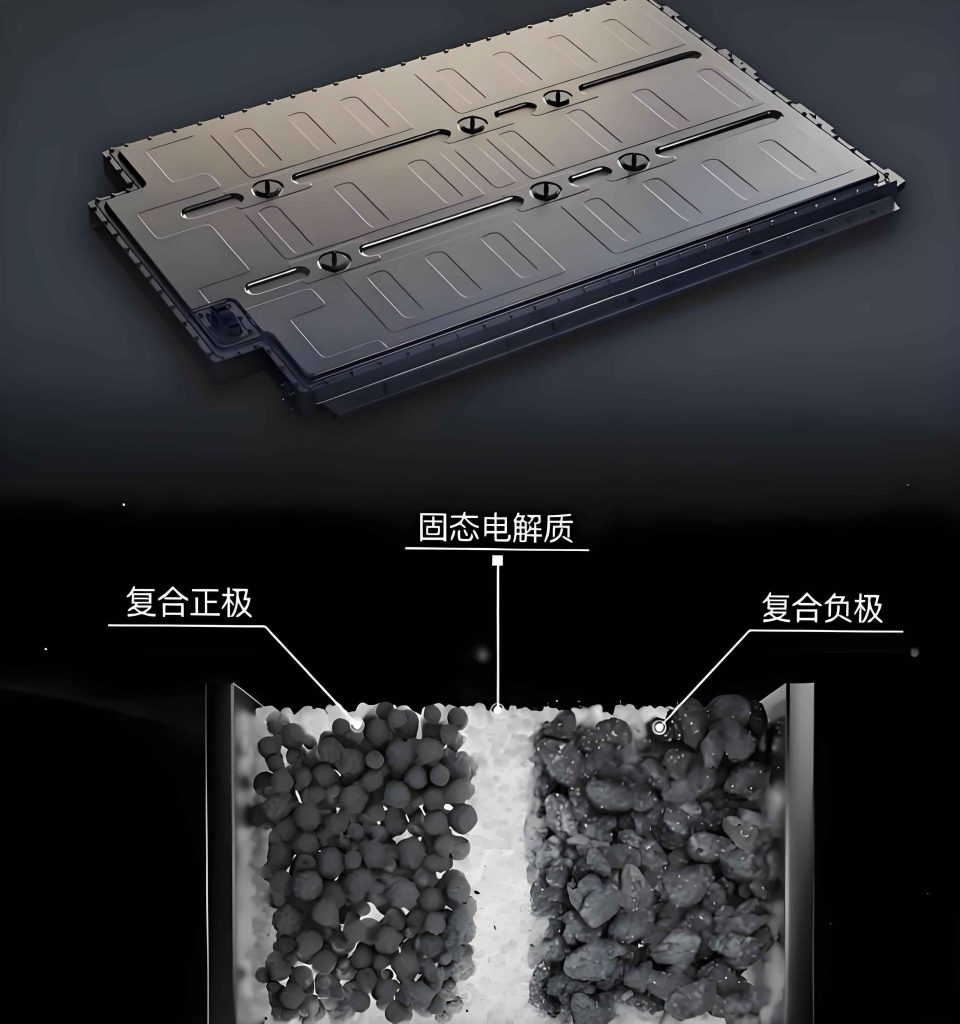
For decades, poly(ethylene oxide) (PEO) has served as the archetypal host material for SPEs due to its strong solvating power for lithium salts. The ion transport in PEO-based electrolytes is intimately linked to the segmental motion of the polymer chains. Lithium ions ($\text{Li}^+$) coordinate with the ether oxygen ($\text{C-O-C}$) atoms in the PEO backbone and hop between coordinating sites as the polymer chains undergo dynamic motion above the glass transition temperature ($T_g$). The ionic conductivity ($\sigma$) follows a Vogel–Tamman–Fulcher (VTF) type relationship, governed by polymer chain mobility:
$$\sigma = \frac{A}{\sqrt{T}} \exp\left(-\frac{B}{T – T_0}\right)$$
where $A$ is a pre-exponential factor, $B$ is the pseudo-activation energy, and $T_0$ is the reference temperature typically close to $T_g$. The primary limitation of high-molecular-weight PEO is its high degree of crystallinity at room temperature, which severely restricts chain mobility and, consequently, $\text{Li}^+$ transport, resulting in unacceptably low conductivity. Furthermore, the ether linkages in the PEO backbone are susceptible to oxidative decomposition at potentials above approximately 3.8 V vs. $\text{Li}^+/\text{Li}$, preventing the use of high-energy-density cathode materials like layered lithium nickel cobalt manganese oxides (NCM).
To overcome these limitations, our strategy was to engineer a polymer architecture that disrupts crystallization while maintaining efficient ion-coordinating sites and enhancing electrochemical robustness. We hypothesized that a comb-like or branched polymer structure, where ion-conducting polyether side chains are grafted onto a different backbone, could effectively decouple chain mobility from crystallinity. The backbone’s primary role would be to provide mechanical integrity and potentially improve stability, while the pendant polyether chains facilitate $\text{Li}^+$ solvation and transport. Based on this design principle, we selected poly(ethylene glycol) methyl ether acrylate (PMEA) as a key building block. PMEA is a monomer that, upon polymerization, forms a polyacrylate backbone with oligoether side chains. By combining this with a conventional PEO matrix, we aimed to create a multi-branched solid polymer electrolyte (hereafter referred to as PMEA@SSE) designed to outperform the classic PEO-based electrolyte (PEO@SSE).
The synthesis of PMEA@SSE was straightforward and scalable. A homogeneous solution containing PEO, the PMEA monomer, lithium bis(trifluoromethanesulfonyl)imide ($\text{LiTFSI}$) salt, and a thermal initiator (benzoyl peroxide, BPO) in anhydrous acetonitrile was prepared. The solvent was evaporated to form a precursor film, which was subsequently hot-pressed at 60 °C and 8 MPa. During this thermal treatment, the BPO initiator decomposes to generate radicals, initiating the in-situ polymerization of the PMEA acrylate groups. This process results in a cross-linked or interpenetrating network structure where the polymerized PMEA (pPMEA) with its ether-rich side chains is integrated within the PEO matrix. For comparison, the PEO@SSE control sample was prepared identically but without the PMEA and BPO components. Both electrolytes had a controlled thickness of approximately 150 μm.
We employed a suite of characterization techniques to validate the successful formation and understand the properties of the designed PMEA@SSE. Fourier-transform infrared (FT-IR) spectroscopy confirmed the chemical structure. The spectrum of PMEA@SSE showed the characteristic C–H and C–O–C stretches from PEO, alongside a distinct carbonyl ($\text{C=O}$) stretching vibration at approximately 1716 cm⁻¹ originating from the acrylate ester groups in pPMEA. Crucially, the absence of a peak around 1635 cm⁻¹, associated with the carbon-carbon double bond ($\text{C=C}$) of the acrylate monomer, indicated successful and near-complete polymerization of PMEA during the hot-pressing process.
The crystallinity of the electrolytes, a pivotal factor for ion transport, was probed using X-ray diffraction (XRD). The XRD pattern for PEO@SSE displayed sharp, intense diffraction peaks, characteristic of a highly crystalline structure. In stark contrast, the PMEA@SSE film exhibited significantly broader and weaker diffraction features. This result provides direct evidence that the incorporation of the branched pPMEA structure effectively disrupts the long-range ordered packing of PEO chains, leading to a predominantly amorphous material. A more amorphous structure is highly desirable for a solid polymer electrolyte as it promotes greater polymer chain segmental motion, which is the primary driver for $\text{Li}^+$ conduction.
The ionic conductivity, the most critical parameter for any electrolyte, was measured by electrochemical impedance spectroscopy (EIS) on a symmetric stainless steel (SS | electrolyte | SS) blocking cell. The bulk resistance ($R_b$) of the electrolyte was extracted from the high-frequency intercept on the real axis of the Nyquist plot. The ionic conductivity ($\sigma$) was then calculated using the formula:
$$\sigma = \frac{L}{R_b \cdot A}$$
where $L$ is the thickness of the electrolyte film and $A$ is the contact area. We evaluated the conductivity at two key temperatures: 30 °C (near ambient) and 60 °C (a common operating temperature for PEO-based systems).
| Sample | Thickness, $L$ (cm) | Area, $A$ (cm²) | $R_b$ at 30 °C (Ω) | $\sigma$ at 30 °C (S/cm) | $R_b$ at 60 °C (Ω) | $\sigma$ at 60 °C (S/cm) |
|---|---|---|---|---|---|---|
| PEO@SSE | 0.0372 | 1.96 | 1051 | 1.81 × 10⁻⁵ | 91.16 | 2.08 × 10⁻⁴ |
| PMEA@SSE | 0.0175 | 1.96 | 68.01 | 1.31 × 10⁻⁴ | 31.34 | 2.85 × 10⁻⁴ |
The data in the table reveals a remarkable enhancement. At 30 °C, the ionic conductivity of PMEA@SSE (1.31 × 10⁻⁴ S/cm) is nearly an order of magnitude higher than that of PEO@SSE (1.81 × 10⁻⁵ S/cm). This substantial improvement at near-ambient temperature is a direct consequence of the reduced crystallinity, as seen in the XRD data. At 60 °C, while both conductivities increase due to enhanced polymer chain mobility following the VTF behavior, PMEA@SSE still maintains a higher value (2.85 × 10⁻⁴ S/cm vs. 2.08 × 10⁻⁴ S/cm). The temperature dependence of conductivity can be further analyzed using an Arrhenius-type plot for the VTF region, where the activation energy ($E_a$) for ion transport can be estimated from the slope. Typically, a more amorphous SPE like our PMEA@SSE would exhibit a lower $E_a$ compared to a highly crystalline one, indicating less energy required for the $\text{Li}^+$ hopping process.
Next, we assessed the electrochemical stability window, which determines the range of cathode potentials the electrolyte can withstand without decomposing. This was evaluated by linear sweep voltammetry (LSV) using a Li | electrolyte | stainless steel cell. The voltage was scanned from the open-circuit potential up to 6.0 V vs. $\text{Li}^+/\text{Li}$ at a slow rate of 5 mV/s. The onset of a sustained anodic current signifies the oxidative decomposition of the electrolyte. The PEO@SSE electrolyte began to show significant oxidative current at around 3.8 V, defining its practical anodic limit. In contrast, the PMEA@SSE electrolyte demonstrated markedly improved stability, with the anodic current onset shifted to approximately 4.2 V. This 0.4 V expansion of the electrochemical window is significant and can be attributed to the different chemical nature of the polyacrylate backbone in pPMEA compared to the polyether backbone of PEO. The ester-linked backbone and the altered electron density distribution likely raise the highest occupied molecular orbital (HOMO) energy level, making it more resistant to oxidation. This improvement is crucial for enabling the use of high-voltage cathode materials (e.g., NCM811, NCA, or high-voltage spinels) in an all-solid-state battery, directly contributing to higher energy density.
| Electrolyte Property | PEO@SSE | PMEA@SSE |
|---|---|---|
| Ionic Conductivity @ 30°C | 0.018 mS/cm | 0.13 mS/cm |
| Ionic Conductivity @ 60°C | 0.21 mS/cm | 0.29 mS/cm |
| Electrochemical Window (Onset) | ~3.8 V vs. Li⁺/Li | ~4.2 V vs. Li⁺/Li |
| Primary XRD Character | Highly Crystalline | Largely Amorphous |
The interfacial stability with lithium metal anode is another vital aspect for a solid-state battery. We performed a critical test using Li | electrolyte | Li symmetric cells, cycled at a constant current density of 0.1 mA/cm² for 1 hour per half-cycle (0.1 mAh/cm² plating/stripping capacity) at 60 °C. The PEO@SSE cell showed unstable voltage profiles with increasing polarization and failed after about 10,000 minutes, indicative of poor interfacial stability and uneven lithium deposition. Remarkably, the PMEA@SSE cell maintained a stable and low overpotential for over 60,000 minutes, demonstrating significantly improved compatibility and stability with the lithium metal electrode. This enhanced interfacial performance may stem from a more uniform and passivating solid electrolyte interphase (SEI) formed between the modified polymer and lithium.
The ultimate validation of a new solid polymer electrolyte lies in its performance in a full cell configuration. We fabricated single-layer pouch-type all-solid-state batteries with a high-loading LiNi0.6Co0.2Mn0.2O2 (NCM622) cathode (10 mg/cm² active material), either PEO@SSE or PMEA@SSE as the separator/electrolyte, and a lithium metal foil anode. All cells were tested at 60 °C between 3.0 and 4.2 V at a rate of 0.1 C.
The initial discharge capacity was similar for both systems (~31-32 mAh per pouch layer), confirming good initial ionic contact. However, the cycling performance diverged dramatically. The cell employing PEO@SSE suffered from rapid capacity fade, reaching 80% of its initial capacity retention after only 31 cycles. In contrast, the cell with PMEA@SSE exhibited excellent cycling stability, retaining 80% of its initial capacity for 77 cycles. Furthermore, the discharge voltage profiles of the PMEA@SSE cell showed less polarization and slower voltage decay over cycles compared to the PEO@SSE cell. This superior cycling performance in the all-solid-state battery is a direct and holistic result of the improved properties of the PMEA@SSE: its higher ionic conductivity reduces overall cell resistance, its wider electrochemical window minimizes oxidative degradation at the cathode interface, and its better compatibility with lithium metal promotes a stable anode interface. All these factors synergistically contribute to enhanced cycle life and performance retention.
In conclusion, this work demonstrates that molecular engineering of the polymer host is a powerful and viable strategy to overcome the intrinsic limitations of traditional PEO-based solid polymer electrolytes. By incorporating polymerized methoxy poly(ethylene glycol) acrylate to create a multi-branched, less crystalline structure (PMEA@SSE), we achieved simultaneous enhancement in ionic conductivity (especially critical at near-ambient temperatures), electrochemical stability window, and interfacial stability with lithium metal. These improvements translated directly into significantly better performance of a practical all-solid-state battery with a high-voltage NCM622 cathode. This study underscores the importance of moving beyond classical PEO chemistry and provides a clear design guideline—utilizing branched architectures with ion-solvating side chains and stable backbones—for the development of next-generation solid polymer electrolytes. Future work will focus on further optimizing the length and density of the side chains, exploring different backbone chemistries, and integrating inorganic fillers to create composite electrolytes that push the performance boundaries of the all-solid-state battery even further, ultimately aiming for room-temperature operation without performance compromise.