
The relentless pursuit of higher energy density and intrinsic safety in electrochemical energy storage has positioned solid-state battery technology at the forefront of next-generation power sources. Conventional lithium-ion batteries utilizing flammable liquid electrolytes pose significant safety risks, including leakage and thermal runaway. The transition to a solid-state battery architecture, which employs a non-flammable solid electrolyte, presents a fundamental solution to these hazards while enabling the use of high-capacity lithium metal anodes. Among solid electrolyte candidates, polymer-based systems, particularly those using poly(vinylidene fluoride-co-hexafluoropropylene) (PVDF-HFP), are highly attractive due to their excellent processability, good flexibility, and favorable interfacial contact with electrodes. However, the widespread adoption of polymer-based solid-state battery systems is critically hampered by their insufficient lithium-ion conductivity at room temperature and poor interfacial stability against lithium metal.
In polymer electrolytes, ion transport primarily occurs in the amorphous regions through segmental motion of polymer chains. Therefore, strategies to depress crystallinity and enhance chain mobility are paramount. This work addresses these challenges through a synergistic design of a composite solid polymer electrolyte (CSPE). We introduce polyacrylic acid (PAA), rich in carboxyl groups, into a PVDF-HFP matrix. Using polyethylenimine (PEI) as a cross-linking mediator, a cross-linked polymer network is formed. This network not only reduces the overall crystallinity of the polymer blend but also provides abundant polar sites for lithium salt dissociation. Furthermore, we incorporate Li1.5Al0.5Ge1.5(PO4)3 (LAGP), a well-known oxide-type fast ionic conductor, as an active ceramic filler. The LAGP particles are expected to provide additional Li+ transport pathways and improve the mechanical robustness of the membrane. This PAA/LAGP co-modified PVDF-HFP electrolyte, denoted as PAG, is fabricated via a straightforward solution casting method. Its comprehensive electrochemical performance is evaluated in both symmetric Li|Li and full LiFePO4|Li cell configurations, demonstrating a significant leap towards practical room-temperature solid-state battery operation.
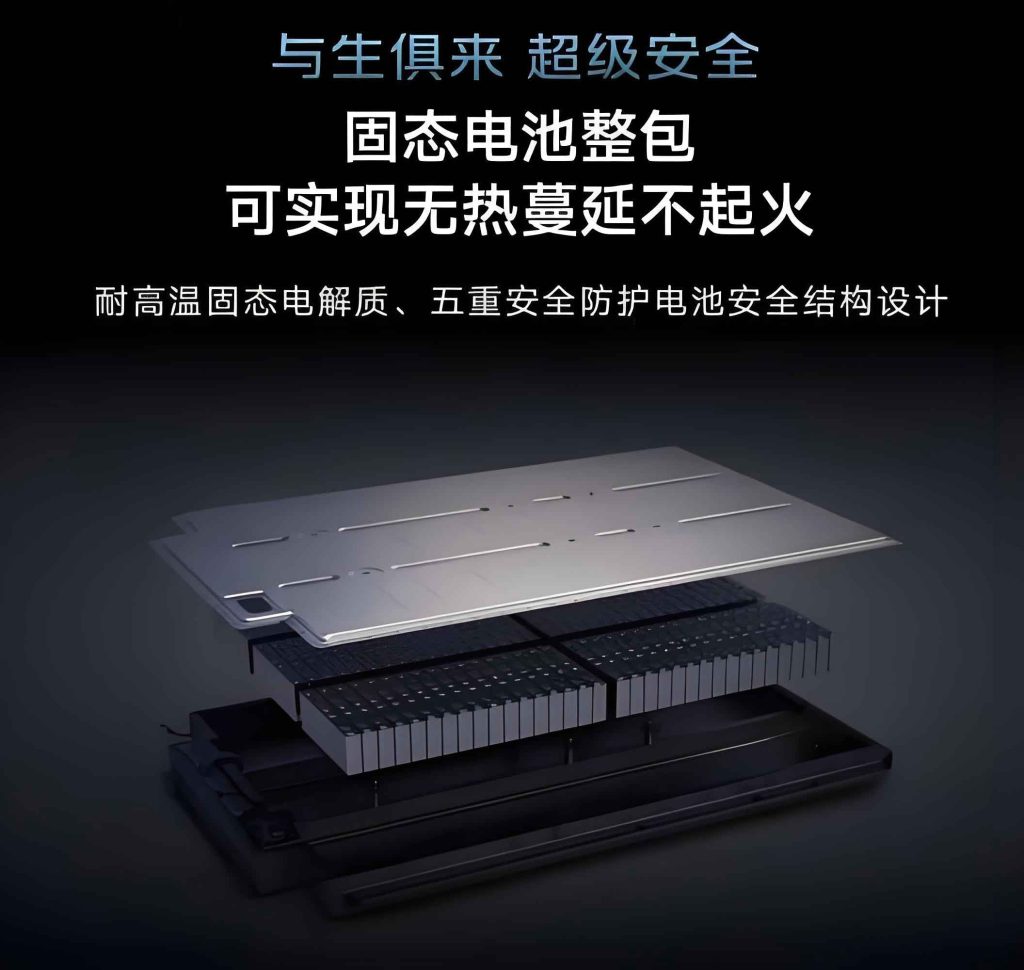
Experimental Methodology and Characterization
All materials, including PVDF-HFP, PAA, PEI, LiTFSI salt, and lab-synthesized LAGP powder, were dried prior to use. The PAG electrolyte was prepared by first dissolving PAA in N,N-Dimethylformamide (DMF) at 90°C. Subsequently, PVDF-HFP, LiTFSI, and LAGP were added to this solution and stirred at 60°C to form a homogeneous slurry (Solution A). Separately, PEI was dissolved in DMF (Solution B). Solution B was then added to Solution A under stirring, initiating cross-linking reactions. The final mixture was cast onto a polytetrafluoroethylene mold and dried under vacuum at 60°C for 24 hours to obtain a freestanding, flexible membrane. A control sample without PAA, denoted as PG, was prepared using an identical procedure for comparison.
Cathodes were prepared by mixing LiFePO4 (LFP) active material, acetylene black, and polyvinylidene fluoride (PVDF) binder in an 8:1:1 mass ratio using N-methyl-2-pyrrolidone (NMP) as the solvent. The slurry was coated onto aluminum foil, dried, and punched into disks. All battery assembly, including symmetric Li|electrolyte|Li cells and full LFP|electrolyte|Li cells, was performed in an argon-filled glovebox. A minimal amount (~5 µL) of liquid electrolyte (1M LiTFSI in DOL/DME) was added to wet the electrode/electrolyte interfaces prior to sealing.
The morphological and structural properties of the membranes were analyzed using scanning electron microscopy (SEM) and X-ray diffraction (XRD). The electrochemical properties were characterized by electrochemical impedance spectroscopy (EIS) and galvanostatic cycling using a battery test system. The ionic conductivity ($\sigma$) was calculated from the EIS data of stainless steel|electrolyte|stainless steel (SS|SS) cells using the formula:
$$\sigma = \frac{d}{R_b \cdot A}$$
where $d$ is the membrane thickness, $R_b$ is the bulk resistance derived from the high-frequency intercept on the real axis, and $A$ is the contact area between the electrolyte and the electrode.
Results and Discussion: Structural and Electrochemical Analysis
The surface and cross-sectional SEM images revealed distinct differences between the PAG and PG membranes. The PAG membrane exhibited a smooth, uniform, and dense surface without obvious cracks or large polymer spherulites, indicating good compatibility among the polymer components and ceramic fillers. In contrast, the PG membrane surface showed a more heterogeneous texture with noticeable granular features, suggesting higher crystallinity and less effective integration of the LAGP filler within the PVDF-HFP matrix. This observation is corroborated by XRD patterns, where the characteristic crystalline peaks of PVDF-HFP were notably suppressed in the PAG membrane. The reduction in crystallinity is attributed to the cross-linking reaction between the amine groups of PEI and the functional groups of PAA and PVDF-HFP, which disrupts polymer chain packing and expands the amorphous domain—a crucial factor for facilitating Li+ transport in a solid-state battery.
The ionic conductivity, the most critical parameter for a solid-state battery electrolyte, was systematically evaluated. Table 1 summarizes the conductivity values at different temperatures. The PAG electrolyte achieved a remarkably high room-temperature (30°C) ionic conductivity of $7.02 \times 10^{-4}$ S/cm, which is nearly an order of magnitude higher than that of the PG electrolyte ($9.30 \times 10^{-5}$ S/cm). This enhancement stems from the synergistic effect: the PAA/PEI cross-linked network provides more sites for LiTFSI dissociation and faster polymer segmental motion, while the LAGP filler creates percolating pathways for Li+ hopping at the polymer-ceramic interface. The temperature-dependent conductivity followed the Vogel–Tamman–Fulcher (VTF) behavior, confirming that ion transport is coupled with polymer chain relaxation.
| Electrolyte | Conductivity at 30°C (S/cm) | Conductivity at 40°C (S/cm) | Conductivity at 50°C (S/cm) | Conductivity at 60°C (S/cm) |
|---|---|---|---|---|
| PAG | $7.02 \times 10^{-4}$ | $9.85 \times 10^{-4}$ | $1.32 \times 10^{-3}$ | $1.68 \times 10^{-3}$ |
| PG | $9.30 \times 10^{-5}$ | $1.45 \times 10^{-4}$ | $2.10 \times 10^{-4}$ | $2.88 \times 10^{-4}$ |
Interfacial stability against lithium metal is another cornerstone for a durable solid-state battery. The evolution of interfacial resistance in Li|PAG|Li and Li|PG|Li symmetric cells during storage was monitored. The impedance of the Li|PAG|Li cell remained stable at approximately 170-176 Ω over 3 days, indicating the formation of a passivating yet conductive solid electrolyte interphase (SEI). We attribute this stability to the beneficial interaction between the carboxylate groups of PAA and lithium metal, forming a compatible interface layer. Conversely, the Li|PG|Li cell showed fluctuating and significantly higher impedance, suggesting ongoing parasitic reactions, likely between LAGP and Li, leading to a resistive interphase.
Galvanostatic cycling of symmetric cells provided further evidence of superior interfacial kinetics. As shown in Table 2, the Li|PAG|Li cell exhibited exceptionally low and stable polarization voltages across a range of current densities, and it seamlessly recovered when the current was stepped back down. Most impressively, it sustained stable cycling for over 700 hours at a high current density of 0.5 mA/cm². The overpotential ($\eta$) in such cells can be related to the total resistance ($R_{total}$) by:
$$\eta = I \cdot R_{total}$$
where $I$ is the applied current. The consistently low $\eta$ for PAG confirms its low interfacial resistance and effective suppression of lithium dendrite growth. In stark contrast, the Li|PG|Li cell suffered from large, unstable polarization and short-circuited after about 250 hours at 0.2 mA/cm².
| Cell | Polarization at 0.1 mA/cm² (V) | Polarization at 0.5 mA/cm² (V) | Cycle Life at 0.2 mA/cm² (h) | Cycle Life at 0.5 mA/cm² (h) |
|---|---|---|---|---|
| Li|PAG|Li | 0.008 | 0.049 | >500 (stable) | >700 (stable) |
| Li|PG|Li | 0.081 | 0.463 | ~250 (failure) | N/A |
The ultimate validation of the electrolyte’s performance comes from its operation in a practical solid-state battery configuration. Full cells with a LiFePO4 cathode and lithium metal anode were assembled and tested at room temperature. The LFP|PAG|Li cell delivered an initial discharge capacity of 156.4 mAh/g at 0.5C rate and retained 153.9 mAh/g after 100 cycles, corresponding to an outstanding capacity retention of 98.4%. Its charge-discharge profiles showed flat, low-polarization voltage plateaus throughout cycling. The Coulombic efficiency remained near 99%. On the other hand, the LFP|PG|Li cell started with a lower capacity (150.4 mAh/g) and experienced rapid degradation, retaining only 81.9% of its capacity after 100 cycles with significantly higher polarization. The performance metrics are consolidated in Table 3. The superior capacity retention and rate capability of the PAG-based cell underscore the effectiveness of our composite design in creating a stable, high-conductivity environment for both cathode and anode, which is essential for a high-performance solid-state battery.
| Full Cell | Initial Discharge Capacity (mAh/g) | Discharge Capacity after 100 cycles (mAh/g) | Capacity Retention (%) | Average Coulombic Efficiency (%) |
|---|---|---|---|---|
| LFP|PAG|Li | 156.4 | 153.9 | 98.4 | >99.0 |
| LFP|PG|Li | 150.4 | 123.2 | 81.9 | >98.5 |
Conclusion
In summary, we have successfully designed and fabricated a high-performance composite solid polymer electrolyte for advanced solid-state battery applications. By strategically blending PAA and LAGP into a PVDF-HFP matrix cross-linked with PEI, we engineered a membrane that simultaneously addresses the key limitations of polymer electrolytes. The cross-linked PAA network effectively reduces crystallinity and enhances Li+ dissociation, while the LAGP filler provides supplementary ionic highways and mechanical support. This synergy resulted in a high room-temperature ionic conductivity of $7.02 \times 10^{-4}$ S/cm. More importantly, the in-situ formed compatible interface between PAG and lithium metal anode endowed exceptional interfacial stability, enabling ultralong cycling in symmetric cells (700 h at 0.5 mA/cm²) and outstanding cycling performance in full solid-state battery cells (98.4% capacity retention after 100 cycles at 0.5C). This work demonstrates a viable and effective materials engineering approach to overcome the ionic transport and interfacial challenges in polymer-based solid-state battery systems, paving a practical path toward safer and more energy-dense lithium metal batteries.