
In this review, I summarize my consolidated understanding of the international research landscape concerning thermal comfort in electric cars. The transition toward battery-powered mobility has brought considerable attention to the fact that the energy management of the cabin environment is radically different from that of conventional vehicles. Whereas an internal-combustion car can exploit waste engine heat to warm the cabin in winter, an electric car has no such readily available source. Consequently, the heating, ventilation, and air-conditioning (HVAC) system of an electric car must draw on the same battery that also serves the traction motor. In many reported cases, the cabin thermal load accounts for roughly one-third of the energy stored in the battery of an electric car. This huge auxiliary consumption can reduce driving range significantly, and it becomes especially problematic during extreme weather conditions. Over my many years of studying vehicle climate control, I have become convinced that the core question is not simply how to make a cabin warmer or cooler, but how to do so with minimum energy while preserving the subjective well-being of the occupants.
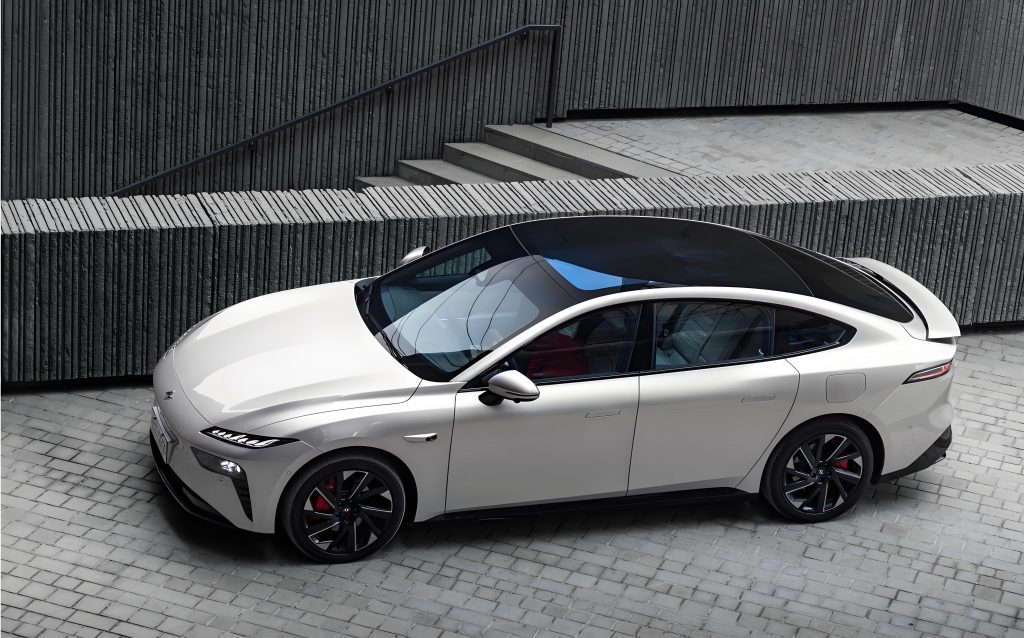
One cannot separate the thermal comfort problem in electric cars from the broader global energy and climate context. Numerous nations have announced carbon-neutrality targets, and the transportation sector is under intense pressure to reduce greenhouse-gas emissions. Since the automotive industry contributes a meaningful portion of total carbon emissions in many industrialized countries, electric cars have been promoted as one of the primary technological routes toward decarbonizing personal mobility. The sales figures in several major markets have shown steady growth over the past decade, reflecting both policy incentives and public acceptance. However, as more drivers switch to electric cars, complaints about range loss caused by cabin climate control have become more frequent and more urgent. This has driven the scientific community to investigate how to design cabin environments that satisfy occupant comfort requirements without undermining the core advantage of electric cars.
Through my own critical reading of the recent literature, I have found that the thermal environment inside an electric car is uniquely challenging. Unlike a typical office room, the interior of a car is compact, highly glazed, subject to strong solar radiation, and characterized by rapidly changing thermal boundary conditions. The airflow pattern around the occupants is far from uniform, and the radiant temperature asymmetry caused by hot windows or cold surfaces can be severe. These features create both transient and non-uniform thermal conditions. Traditional steady-state thermal comfort models, developed mainly for indoor buildings, often fail to capture accurately what a car occupant is feeling. Therefore, new approaches, new measurement methods, and new predictive models have been developed over the past two decades.
In this article, I will therefore attempt to provide a comprehensive account of thermal comfort research as applied to electric cars. First, I will discuss the principal factors that influence cabin thermal comfort, from air temperature and humidity to solar radiation and personal metabolic state. Second, I will describe the major thermal comfort models that have been used or adapted for automobile applications, classifying them into physiological and psychological categories. Third, I will examine the practical optimization measures that researchers and engineers have explored to improve thermal comfort in electric cars, including advanced glazing, heated seats, local ventilation, and radiant heaters. Fourth, I will synthesize the current knowledge into a set of recommendations for developing energy-efficient thermal management systems, taking into account the trade-off between thermal comfort and driving range. Throughout the discussion, I will stress that the occupant is not merely a passive receiver of the thermal environment but an active participant whose perception, cognition, and emotion affect comfort and safety.
Fundamental Influences on Cabin Thermal Comfort
In my experience, any serious analysis of cabin thermal comfort must begin with a detailed treatment of the physical environment inside the vehicle. Several parameters determine the heat exchange between the human body and its immediate surroundings. It is useful to separate these into environmental variables and personal variables. The environmental variables include air temperature, air velocity, relative humidity, mean radiant temperature, solar radiation, and sometimes the temperature distribution over surfaces. The personal variables include metabolic heat production, clothing insulation, age, sex, body composition, and psychological state.
Environmental Factors
The first and most obvious environmental factor is the dry-bulb air temperature inside the cabin. Air temperature directly sets the convective boundary condition at the surface of the human body. When the cabin air is cold, the body loses sensible heat from exposed skin surfaces and through the clothing layer; when the air is hot, the body may even receive heat from the air. In an automotive cabin, the air temperature field is rarely homogeneous. The temperature near the windshield might be much higher in summer because of solar absorption, while the temperature near the floor might be lower. Passengers in the front row and the rear row often experience noticeably different microclimates. This spatial inhomogeneity makes the subjective evaluation of the cabin environment more complicated than that of a typical climate-controlled room.
Several researchers have demonstrated that local air temperature conditioning strategies can improve thermal comfort. Instead of trying to maintain one global setpoint temperature for the whole cabin, a system that creates personalized thermal zones around each occupant can enhance comfort perception and reduce energy consumption. The idea is simple: rather than conditioning all the air in the entire cabin volume, one conditions only the air in the immediate breathing and occupied zones. In my work, I have observed that such personalized climate-control concepts are especially attractive for electric cars, since they directly attack the auxiliary energy demand that shrinks the range.
The second major environmental factor is air velocity. Air velocity influences both convective heat transfer at the body surface and evaporative heat loss from the skin. When the skin is covered with sweat, moving air accelerates evaporation and produces a cooling effect. In a warm cabin, an elevated air velocity can therefore improve comfort even if the air temperature remains unchanged. Conversely, if the air velocity is too high, especially when the air temperature is cool, the occupant may experience a draft sensation that is perceived as unpleasant. Some prediction models available in the literature are based on a section devoted to the thermal comfort assessment of automobile cabins using an index referred to as predicted percentage dissatisfied, which includes the undesirable cooling caused by excess velocity. Engineering guidelines for vehicle climate control typically recommend a practical range of air velocities between 0.2 and 2 m/s depending on the operating mode. With the air distribution system designed correctly, the use of moderate fan speeds can significantly improve the heat exchange without leading to draft discomfort.
There is a noteworthy study in which the relationship between supply-air velocity and passenger comfort was examined systematically. It was shown that if the supply velocity is varied from 2 to 5 m/s, each additional 1 m/s increases occupant comfort by 60% while simultaneously increasing the cooling load by approximately 4.5%. These numbers illustrate an important engineering trade-off: although greater air movement helps in removing heat from the body, it also increases the thermal load that the cooling coil must handle, because more warm ambient air is entrained and the convective heat-transfer coefficient rises. For an electric car, this small load penalty may not seem serious, but over many hours of driving it can consume a non-negligible amount of battery energy.
The third factor, relative humidity, plays an important role in the perception of warmth, stickiness, and freshness of the air. Higher relative humidity reduces the rate at which sweat evaporates from the skin. In hot summer conditions, such a reduction causes human subjects to feel hotter and more uncomfortable than they would in dry air at the same temperature. In winter, excessively dry air can cause skin dryness, eye irritation, and a feeling of stuffiness, all of which can distract the driver. My examination of experimental studies reveals that the effect of humidity on thermal sensation under moderate temperatures is relatively small compared to the effects of air temperature and velocity. Yet, at very high temperatures or when the occupant is sweating heavily, humidity becomes a significant variable that cannot be neglected. There is also some evidence that the simultaneous control of relative humidity and dry-bulb temperature creates a more rapid convergence to the thermal comfort zone than controlling temperature alone.
One of the most important environmental factors in a vehicle cabin is solar radiation. The transparent glazing of an automobile covers a remarkably large fraction of the body surface, much more than that of a typical building facade. Direct sunlight enters the cabin through the windshield and side windows, heats the seats, dashboard, steering wheel, and other interior surfaces, and causes the cabin air temperature to rise to levels well above the outdoor temperature. A number of studies have documented that the dashboard surface temperature in a parked car exposed to the sun can reach 73 °C or even more. Such high surface temperatures create strong long-wave radiant heating of the occupants. In addition, the nonuniform distribution of the solar load means that the side of the body facing the sun may be warm, while the shaded side is cooler. This radiant asymmetry can be both uncomfortable and difficult to model.
I have observed in the research literature that many attempts to simulate the cabin thermal environment now include a detailed solar radiation submodel, often discretizing individual glazing segments and calculating the direction-dependent transmittance, reflectance, and absorptance. The results of such simulations underscore the necessity of treating direct solar radiation as one of the principal boundary conditions that governs the thermal state of an electric car cabin. In the summertime, the solar heat gain through glazing can dominate the entire cooling load and can impose a serious burden on the battery energy used by the air compressor.
A further environmental characteristic is the transient nature of the cabin climate. When a passenger enters an electric car that has been parked in the sun, the cabin air temperature might be above 60 °C. During the first minute of driving, the air-conditioning system runs at a high capacity to bring the temperature down. The occupant experiences the environment not as a steady-state setting but as a sequence of changing conditions: a burst of hot air, then cooler air, then gradually settling temperatures. Thermal comfort in such a situation depends strongly on the time response of the cooling system and on the occupant’s adaptive expectations. Similarly, in winter after the car has been parked outside for a long time, the heating system must work to raise both air temperature and the temperatures of cold surfaces. Therefore, the transient behavior of the climate-control system is at least as important as its steady-state performance.
| Environmental variable | Primary effect on the occupant | Typical cabin challenge | Mitigation approach |
|---|---|---|---|
| Air temperature | Direct convective and radiant exchange with the skin | Nonuniform distribution between front and rear seats | Dual-zone or multi-zone, personalized airflow |
| Air velocity | Enhances convective and evaporative heat loss; too high a value causes draft | Uncontrolled jet near occupants | Careful nozzle orientation and variable speed |
| Relative humidity | Modulates sweat evaporation, perceived stickiness, eye and skin sensation | Excess humidity in summer, low humidity in winter | Integrated humidity control and defogging logic |
| Solar radiation | Strong local heating of the body and surfaces raises operative temperature | High dashboard and seat temperatures; asymmetric radiation | Selective glazing, reflective films, dash insulation |
| Surface temperature | Radiant exchange varies with surface temperatures | Hot windows, cold metal parts | Window coatings, interior material choice |
Personal Factors
The human factors that influence thermal comfort are numerous. Metabolic rate is the single most important physiological variable. The amount of heat generated inside the body depends on the level of physical activity and on the general state of arousal. In a car, drivers and passengers are generally sedentary, but their metabolic rates can still vary with the ambient temperature, with the level of stress, and with postural tension. A driver in heavy traffic may experience elevated metabolic heat due to stress, while a resting passenger may have a lower metabolic rate. Clothing insulation is another obvious factor. The thermal resistance of clothing is expressed in clo units, with 1 clo defined as the amount of insulation required to maintain a sedentary person comfortable at a temperature of 21 °C, a relative humidity below 50%, and low air movement. Summer clothing provides about 0.4 clo, while a heavy winter jacket and coat ensemble can reach upward of 2 clo. For cabin climate control design, unexpected seasonal clothing insulation creates a large uncertainty.
Biological variables such as age, sex, and body build also affect individual thermal comfort. Older adults often prefer slightly warmer environments and have a decreased capacity to perceive thermal stress. The literature reports differences in thermal sensitivity between men and women, especially in terms of hand and foot temperatures and the preference for warmer ambient temperatures. Body mass and body surface area affect the thermal capacitance and the amount of heat exchange with the surroundings. These personal differences make it impossible to define a single thermal setpoint that will satisfy all passengers in the same electric car. For this very reason, I have always advocated for a greater use of localized thermal control and personalized climate settings, so that the cabin system can adapt to the occupant rather than imposing one common condition on all.
Psychological variables are sometimes overlooked in engineering studies of thermal comfort. The same physical environment may be judged as comfortable or uncomfortable depending on a person’s expectation, mood, degree of attention, and previous thermal history. A person who enters a warm car after a winter outdoor walk may initially perceive the warmth positively, while the same temperature may be judged as too hot if the person had just left an air-conditioned building. Emotions also appear to modulate thermal tolerance. An annoyed or agitated passenger is more likely to report thermal discomfort at a temperature that a relaxed passenger might find neutral. In my view, the designers of electric car climate systems should not discount these psychological influences, because the market expectation for a comfortable cabin experience is shaped by the entire journey context.
| Personal feature | How it changes the response | Consequence for the EV climate strategy |
|---|---|---|
| Metabolic rate | Higher heat production raises the preferred lower temperature | Adaptive control that estimates occupant activity |
| Clothing insulation | Affects required ambient temperature for neutrality | Seasonal mode or user interface to adjust clothing expectation |
| Age | Older occupants may prefer a warmer environment | Personal thermal preference settings |
| Sex | Different skin temperature sensitivity and preferences | Multi-zone setpoints and personalized airflow |
| Body size | Changes surface area-to-mass ratio and thermal inertia | Individualized evaluations using multi-node models |
| Mood/expectations | Alters the evaluation of the same environmental condition | Rapid-response mode to meet positive first impressions |
After presenting these main categories, I would like to emphasize that in actual vehicle tests, all the above variables act simultaneously. A change in one variable can offset a change in another. In the application of thermal comfort models, therefore, one must be careful about the assumed clothing, activity, and exposure time. The common practice of reporting only the air temperature inside the car is far from sufficient. There is a need for a comprehensive set of measurement standards that include surface temperatures, radiant temperature, velocity, and humidity. The optimization of thermal comfort within electric cars requires not only good sensors and control algorithms, but also a clear understanding of which physical quantity is really responsible for the comfort vote of each passenger.
Comfort Prediction and Model Development
From the earliest scientific attempts to characterize thermal comfort to the current digital-age models, I notice a continuous progression of ideas. Thermal comfort models are intended to predict the thermal state of a person evaluating an environment. They can be broadly split into two families: physiological models, based on the physics of heat transfer and the physiology of thermoregulation, and psychological models, based on the relationship between environmental stimuli and perceived warmth. During my work on vehicle cabins, I found that even the most sophisticated physiological model may require a psychological model to translate local thermal states into overall comfort votes.
Physiological Models of Human Thermoregulation
The earliest physiological models that I have often used are based on a lumped-parameter approach that divides the human body into a small number of nodes. A classic formulation of this kind separates the body into a core node and a skin node. The core represents all deep-body tissues, while the skin represents the surface layer. These two nodes exchange heat between themselves and with the environment, and the model regulates the skin blood flow according to the discrepancy between core temperature and its setpoint. The model accounts for vasoconstriction, vasodilation, and sweating, and it can simulate the steady-state and some transient responses. In view of its simplicity, this two-node model provides acceptable predictions for uniform environments when the exposure time is no more than one hour. For cabin comfort problems, however, exposure times vary and transient solar loads are often high, so I believe that more developed models are necessary to obtain reliable results.
A much more extensive physiological model treats the body as a set of discrete segments, each containing several tissue layers. In this approach, the body is divided into the head, the trunk, the arms, the hands, the legs, the feet, and the central blood pool. Each segment has a core layer, a muscle layer, a fat layer, and a skin layer, and the model solves a system of differential equations that describe heat conduction within the tissue, advective heat transfer through the bloodstream, heat production from metabolism and from shivering, and heat dissipation by sweating and by surface convection and radiation. Such detailed models are able to reproduce many experimentally observed thermoregulatory phenomena, including temporal changes in skin and core temperatures during abrupt changes in ambient conditions. However, they require a large number of input parameters and are often too computationally heavy for real-vehicle embedded implementation.
Later developments have refined this approach by dividing the body into more anatomical sections and improving the control equations. One widely used elaborated model introduces the concepts of a passive system and an active system. The passive system describes the human body as a complex thermal network that receives heat production, exchanges heat with the surrounding air, and stores thermal energy in body tissues. The active system simulates the actions of the central nervous system, including vasodilation, vasoconstriction, sweating, and shivering. The control signals of the active system depend on the core temperature, the average skin temperature, and the rate of change of skin temperature. This kind of model has proven practical for exposed clothing conditions, because the passive-system equations include the thermal resistance of clothing layers and the shape factor between body parts and the environment. Fiala’s work, for example, has generated valid predictions of core temperature over a wide range of thermal environments.
Another multi-segmented model, frequently used for vehicle applications, divides the body into sixteen distinct parts, all connected to the central blood circulation. Such an approach provides better resolution of the local variations that occur in a car, where, for instance, the face is facing the windshield while the arms are in the sun and the back is against a cooled seat. Each segment has its own set of tissue layers, and the model inputs can be adjusted to account for non-uniform clothing and local environmental conditions. In my experience, this sixteen-segment model is attractive for vehicle studies because of its modular structure and its ability to output the temperature of each body part. The output can then be used in a separate comfort equation to predict local thermal sensation, local comfort votes, and overall perception.
Given the lack of uniformity inside electric cars, segmented physiological models are my preferred method for studying thermal comfort in a virtual environment. They allow me to simulate the effect of local radiant heating on the feet, local cooling on the face, or local warm air on the hands. They also show how blood flow redistributes heat from the core to the extremities, leading to nonintuitive results when the fingers or toes become cold even though the core is warm.
| Model type | Number of segments | Regulated responses | Main advantage for cabin studies | Practical limitation |
|---|---|---|---|---|
| Lumped two-node model | 2 | Vasomotion and sweating | Very fast computation | Assumes uniform environment and limited transient accuracy |
| Extended 25-node model | 6 zones with 4 layers plus blood node | Shivering, sweating, skin blood flow | Detailed internal temperature distribution | Still fairly coarse anatomical resolution |
| Segmented control model | Many nodes, two interacting systems | Shivering, sweating, vasoconstriction and vasodilation | Good for a wide range of environmental conditions, including clothing effects | Relatively complicated and significant data demand |
| 16-segment multinode model | 16 | Vasomotion, sweating | Flexible for non-uniform local environment | Calibration is critical for low-temperature and high-solar cases |
Psychological Models and Sensation Scales
Psychological thermal comfort models attempt to convert measurements of the environment into a prediction of a person’s subjective thermal sensation. In many indoor and automotive studies, the first tool of this sort is the well-known predicted mean vote, frequently abbreviated as PMV, together with the predicted percentage of dissatisfied people, abbreviated as PPD. The PMV uses a seven-point numerical scale from cold, through neutral, to hot. Its outputs are numbers between negative three and positive three, with zero corresponding to thermal neutrality. The model is grounded in the heat balance equation of the human body, incorporating metabolic activity, clothing insulation, air temperature, mean radiant temperature, air velocity, and water-vapor partial pressure. The PPD value is derived from PMV through an empirical formula based on the distribution of individual thermal judgments around the mean vote.
When I apply the PMV to electric car cabins, I observe important limitations. The original calibration was carried out for people in indoor, steady-state conditions wearing a standard office ensemble. In a car environment, however, the level of activity is low, the clothing varies, and the surrounding temperatures can change rapidly, which creates substantial deviations from the steady-state assumption. In addition, the PMV index was not developed to handle local discomfort or asymmetric radiation. At very warm conditions, if the whole-body heat balance becomes too positive, the PMV can exceed three, but a human subject cannot really vote beyond hot, so the scale saturates. This effectively limits the use of PMV in the hottest summer condition often observed in a stagnant car. Despite all this, the PMV remains valuable in my research as a reference and as a convenient way of comparing different climate control strategies in moderate conditions.
A second psychological approach relies on rating scales that are extended beyond the standard seven categories in order to capture extreme conditions. In experiments conducted in parked or moving cars, subjects might vote on eleven-point or similar scales, in which very cold or very hot states are separated into multiple categories. Such scales enable the researcher to record not only the direction of a thermal sensation but also its intensity over a wide range. This is especially helpful when one studies the initial cool-down after a hot soak, where the cabin air temperature can be extremely hot, whereas the expansion of the scale allows the subjects to report more subtle distinctions.
In a very different approach to psychological modeling, the subjective response is viewed as a combination of multiple local sensations. I have personally found this idea compelling for automotive applications, because passengers often complain about cold feet, a warm head, or a dry feeling in the eyes before they complain about whole-body thermal conditions. A local sensation model computes the thermal sensation of each body part as a function of the local skin temperature and its time derivative, as well as of the overall skin temperature. The local comfort is then a separate judgment about whether the local sensation is pleasant, neutral, or unpleasant. The overall sensation is an appropriately weighted combination of the local thermal sensations, and the overall comfort is weighted from the local comfort values. This framework can describe, for example, a situation in which the feet are cold and the head is hot, while the average body skin temperature indicates comfort. The occupant may report a strong negative comfort judgement even though the mean skin temperature is near neutral.
Modern computational intelligence has led to an interest in machine-learning models that predict thermal comfort directly from data. When I analyze experimental datasets collected from car cabins, I see that the relationship between environmental variables and thermal comfort is often nonlinear and not easily expressed by physical laws. A machine-learning model trained on many occupant votes can capture complicated interactions and can personalize the temperature predictions for individual users. In one recent demonstration, researchers used measured data to estimate a passenger’s overall thermal sensation in an electric car equipped with local infrared heaters. The learning-based supervised model performed better than conventional averaged predictions, and in the tested configurations it helped the control algorithm reduce energy consumption by about 10% while maintaining comfort. This kind of personalized comfort model will likely become a central element of future cabin climate control in electric cars, especially because occupants can feed their own preferences into the model through simple buttons or mobile apps.
| Model category | Psychological variable | Input quantities | Commonly used outputs | Automotive adaptation |
|---|---|---|---|---|
| Comfort index based on heat balance | Predicted mean vote and dissatisfied percentage | T, humidity, velocity, radiant temp, clothing, activity | PMV, PPD | Applies best to steady, moderate environments |
| Expanded transient comfort model | Categorical sensation extended to extreme levels | Environmental time series and skin temperatures | Extended Thermal Sensation scale | Good for warm and cool transient sequences |
| Multi-segment psychological model | Local sensation plus local and overall comfort | Local skin temperature, local temperature rate, whole-body temperature | Local sensation, overall sensation, thermal comfort | Capable of handling asymmetry and local conditioning |
| Machine learning model | Learned mapping from inputs to personal sensation | User demographics, thermal measurements, personal history | Personalized overall thermal sensation | Can adapt in real time and supports local heaters |
Combining Physiological and Psychological Models
In my approach to the problem of an electric car cabin, physiological and psychological models should not be viewed as competing alternatives. Rather, they offer complementary outputs. A physiological model predicts tissue temperatures, blood flow, sweat rate, and the heat exchange at each body segment, which are then fed into a psychological model that produces the occupantsâ subjective thermal vote. If only one family of models is used, the engineer may be unable to explain why a physically comfortable condition is voted as uncomfortable, or the converse. In electric cars, where the thermal state is dynamic and highly nonuniform, the combined use of a robust physiological model and a well-tuned psychological model is, in my view, the only reliable way to anticipate the reactions of real users.
Practical Optimization Measures for the Cabin Thermal Environment
Having understood the factors that affect occupant comfort and the models that can predict it, I now turn to the engineering measures that have been proposed in the literature to improve cabin comfort in electric cars. Since electric cars suffer from range reduction when the HVAC power demand is high, the task is to design a system that delivers maximum comfort for every amount of energy drawn from the battery. I will consider four broad categories: window and glazing improvements, heated and cooled seats, supply-air nozzle adjustment and airflow distribution, and local infrared radiant heaters. Each of these measures can be used either alone or in combination.
Window and Glazing Measures
The transparency of the cabin to solar radiation is a major determinant of thermal load in an electric car. The large windshield, side windows, and in some cases panoramic glass roofs permit an enormous amount of solar energy to enter the cabin. Even in moderate ambient temperatures, the intensity of direct sunlight may cause surface temperatures inside the cabin to rise dramatically. In the past, designers used tinted glass to reduce visible light transmittance, but tinting also reduces visibility and can make the cabin gloomy even on a bright day. My evaluation of recent research points toward spectrally selective glazing as a smart alternative. Such glazing can be designed to be highly transparent to visible light while reflecting or absorbing a large portion of the near-infrared solar radiation.
One promising solution that I have encountered in the literature is a type of broadband infrared reflector that consists of two cholesteric liquid-crystal polymer layers. Each layer has a selective reflection band, and by stacking layers with opposite handedness, the film can reflect more than 90% of the incoming infrared radiation. The film remains essentially transparent to human eyes. If such a film is applied to the windshield or side windows of an electric car, it can reduce the infrared heat gain without compromising visibility. Tests using building-energy simulation software adapted to vehicles have shown that applying this film onto the windshield yields a meaningful reduction in the temperature of the dashboard and other interior surfaces during sunny conditions, with significant consequences for the cooling energy saved.
Researchers have also compared different overheating-mitigation measures during parked and pre-cooling conditions. In those tests, a spectrally selective glass on the windows was found to be more effective than a simple solar-reflective opaque cover on the dashboard and seats. The reason is that the glazing stops the solar energy before it enters the interior, while an internal reflective cover only stops absorption in certain surfaces. I infer from these findings that window glazing should be considered the front-line thermal defense in an electric car. It reduces the cabin heat load from the source, while an air conditioner handles only the remaining sensible and latent heat.
In addition to reducing solar load, window glazing can alter the radiant environment on the occupants. When the inner surface of a window is heated by solar radiation, it emits long-wave radiation toward the occupant. An infrared-reflective coating suppresses this emission because the heat is reflected before the inner surface is heated. In several experiments, people seated next to such a reflective window reported improved local thermal sensation on the side of the body exposed to the window, even though the average cabin temperature was unchanged. From a global perspective, however, some subjects did not report a higher level of overall comfort, because changes on one side only may not modify the whole-body heat balance sufficiently. Nevertheless, I believe that this reduction in radiant asymmetry is still beneficial, since it allows the air-conditioning setpoint to be elevated in summer without reducing the satisfaction vote of the occupants.
| Glazing strategy | Action | Visible light | Infrared reflection | Energy effect in electric car | Comfort effect |
|---|---|---|---|---|---|
| Conventional tinted glass | Absorbs visible and near-infrared radiation | Reduced | Partial | Moderate load reduction | Dark interior; possible high glass temperature |
| Spectrally selective reflective film | Reflects infrared while transmitting visible light | High | High | Significant HVAC energy reduction | Reduced radiant asymmetry |
| Internal solar-reflective surface | Prevents the surface from becoming hot | Not applicable | Moderate | Lower dashboard and seat temperatures | Better local radiant exchange for arms and legs |
| Windshield sun-shade | Blocks solar radiation from entering | Blocked when parked | Not relevant | Useful in pre-conditioning operations | Faster cool-down of the cabin at departure |
Seat Heating and Local Surface Conditioning
Heated seats have long been considered an effective way to maintain thermal comfort in cold weather while allowing the cabin air temperature to be set lower. In an electric car, a lower target temperature leads directly to reduced energy consumption by the heater. My understanding is confirmed by experiments reporting that occupants accept a significantly lower ambient temperature when the heated seat is active. The main reason is that the seat is in close contact with a large area of the human body, including the back, the buttocks and part of the thighs. Conductive heat transfer through these contact surfaces can rapidly warm the skin and blood perfusion then carries warmth into the central body regions.
During the initial warm-up period in a cold cabin, the heated seat seems to be particularly effective. The cabin air takes several minutes to warm up to a comfortable level, but the seat surface can reach a pleasant temperature quickly. Passengers then experience a prompt improvement in their local thermal sensation while the air heater is still in the early phase. This feature is highly relevant to electric cars because it reduces the time spent using maximum heating power.
I have read studies in which the effect of contact between the passenger and the seatback or seat cushion was investigated carefully. Those studies revealed that the feel of the same heated seat is not identical on the back and on the thigh, and that the thermal sensation depends on whether the clothing is thick or thin. There are also valuable findings about the timing of the seat control: to maximize comfort during warm-up, the seat should be heated quickly in the first few minutes and then, if necessary, reduced when the cabin temperature is maintained. Such a control policy minimizes overshoot and avoids excessive warmth or sweating.
A very interesting avenue of research is the miniaturization of seat heaters. It is possible to produce an electrically conductive coating or film that emits infrared energy from the seat surface. This kind of system avoids some of the temperature uniformity issues of resistance wires. The heat flux is applied through a very thin layer, thus minimizing the thermal mass and allowing rapid response. In some designs, a transparent or nearly invisible conductive layer is placed on the surface, and its heating pattern can be tuned to match the regions of the body with the highest thermal sensitivity. In my reading of the prospective literature, this localized heating approach has the potential to replicate the comfort benefit of a conventional full-surface seat heater while consuming less electric energy. When multiplied over the total passengers in an electric car, the saved energy can represent an increase in driving range of about 1.2% to 1.5%, which is highly meaningful in range-sensitive driving scenarios.
A seat cooling system is much more difficult to design than a seat heater, because removing heat from the body surface requires either sending airflow through a ventilated cushion or using thermoelectric devices that pump heat away. Nevertheless, seat ventilation and cooling have proven useful in hot climates. At the start of a summer journey, the seat surface may be extremely hot after solar soaking. Ventalating the seat to draw ambient air through the cushion improves evaporative cooling and reduces the contact temperature. In my experience, a cooled seat permits the passenger to feel the comfort of lower air temperature without actually having to overcool the cabin. This helps save energy, but the design complexity is higher because the additional air ducts and fans may increase weight, noise, and package constraints.
Ventilation and Supply Air Distribution
The arrangement of the vents that deliver conditioned air into the cabin is an important factor in how passengers perceive the resulting thermal field. I have observed that the throw direction of the air jet, the discharge angle from the nozzle, and the combination of dashboard and ceiling outlets determine whether the air reaches the occupant in the head and torso region or mostly flows around the occupant at a distance. A small change in the vertical and horizontal angle of a louver can substantially change the convective boundary layer around the driver.
In one of the earlier numerical studies that particularly caught my attention, the airflow from the dashboard vents was simulated at various blade angles using computational fluid dynamics. The analysis showed that an angle of around 50 degrees yields the best overall thermal comfort under certain summer conditions. However, a similar study informed by the field synergy principle and the simplification of the windshield flow found that a supply angle of 30 degrees gave the lowest predicted percentage dissatisfied. These apparently contradictory results are not themselves contradictory when one understands the sensitivity of the results to the cabin geometry, nozzle location, and simulation boundary condition. The core message that I derive from combining the literature is that no single outlet angle is universally optimal. Rather, the design should be adapted to the geometry of each electric car, and ideally, the system should allow both automatic and user-adjustable louver positions.
In addition to the static angle, the ratio of flow supplied from different outlets is decisive. In vehicles equipped with a localized air-conditioning system, the typical arrangement includes a front outlet near the knees and a ceiling outlet near the head. By adjusting the flow ratio between these two outlets, one can alter the vertical temperature gradient in the cabin. For example, in the winter mode, delivering a greater proportion of the warm air from the floor outlets promotes the rising of naturally buoyant warm air around the legs and torso. In the summer mode, allowing a larger proportion of the cooled air from the ceiling outlets sends cool air toward the face and chest. Optimizing this distribution ratio in a computational study reduced the energy demand by about 20.8% for the front outlets and 30.2% for the ceiling outlets compared to a baseline nonoptimized configuration. Such results encourage a shift from static outlet design to an adaptive air-distribution strategy in electric cars.
An even more radical approach to air distribution is the use of personalized vents, installed in the seats or in the roof, which deliver air directly to the breathing zone. The benefit is twofold: first, the conditioned air is used only where it is needed, and second, the occupant can direct the airflow to the face, the torso, or the arms according to personal preference. When local air movement is carefully targeted, the overall sensation can be kept comfortable while the ambient cabin temperature is permitted to float higher or lower than a uniform zone would allow. My analysis suggests that the highest energy-saving potential in electric cars rests in this type of reduced-environmental-control strategy, because the cabin volume is not uniformly conditioned to the same setpoint.
| Vent design aspect | Thermal and aerodynamic effect | Energy and comfort outcome | Considerations for electric cars |
|---|---|---|---|
| Nozzle angle on horizontal axis | Changes jet trajectory and attachment to the windshield | 30 to 50 degrees may be best in different conditions | Automatic motorized blades can adapt dynamically |
| Nozzle angle on vertical axis | Moves warm or cold air relative to occupant head and feet | Improved vertical gradient | Adjustable to heating and cooling modes |
| Front versus ceiling outlets | Can deliver air directly to upper or lower body | Energy saving near 20% to 30% after optimization | Important for local comfort in the demanding summer cooling case |
| Personalized vents | Creates a small airflow envelope around the occupant | Higher comfort vote at reduced global air-conditioning load | Strong potential for range extension when coupled with seat heating/cooling |
Radiant Heaters as an Alternative to Full-Cabin Heating
A large portion of the energy needed for cabin heating in winter goes into heating the air volume, the glass, and the internal trim. Yet, the human body does not sense air temperature solely through direct contact with air; it also exchanges radiant heat with surfaces. Therefore, heating the surfaces that face the occupants, such as the door panels and the instrument panel, can create a condition of radiant warmth without requiring a high air temperature. This idea is central to the use of infrared radiant heaters in electric cars.
One of the most promising versions of this approach is an infrared-emitting coating or film applied to an internal surface. When current passes through the electrically resistive film, the film emits long-wave infrared radiation toward the occupant. Since the radiation directly warms the skin and clothing, the thermal sensation is established much faster than waiting for the whole cabin air to heat up. The literature reports that radiant heating panels can improve both local and whole-body thermal comfort in electric cars at cabin temperatures that would otherwise be too cold for comfort. The use of such infrared sources is capable of generating the same thermal sensation as a much warmer cabin at a lower ambient temperature, thereby conserving battery power.
In the search for practical installation locations, I have seen evaluations of radiant panels placed in the door trim, in the dashboard under the steering column, and in the ceiling near the passengers’ heads. Each position creates a different pattern of irradiation onto the body. A lower panel irradiates the thighs and knees, while a ceiling panel irradiates the head and shoulders. Because the body is highly sensitive to rapid warming of the face and hands, the location must be chosen based on the typical posture of the driver and the position of the hands on the steering wheel. Some studies suggest that the greatest effect, in terms of comfort improvement per watt, is obtained by warming the extremities and the shoulder region, where the body is most sensitive to cool temperatures.
It must be kept in mind that radiant heating alone may not supply enough total energy to compensate for the respiratory heat loss and the convective loss from the fully exposed body. The most rational system in an electric car is a hybrid architecture that combines an efficient air heater or heat pump, heated seats, and local radiant heaters. The air heater maintains a minimum background temperature, the heated seat provides the large contact area warm-up, and the radiant panels add a localized boost to the coldest segments of the human body. Such a hybrid approach can significantly reduce the air heater duty, lower the thermal mass that must be heated, and deliver comfort with less energy.
| Heating method | Main mode of heat transfer | Time response | Relative energy demand | Advantages in electric cars | Limitations |
|---|---|---|---|---|---|
| Conventional air heater | Convection plus some surface radiant exchange | Slow because it heats the air and cabin mass | High | Familiar technology; also serves defrosting and humidity control | Reduces electric range considerably in winter |
| Heated seat | Conduction at contact surfaces | Fast if low-mass element | Moderate | Consumer acceptance; localized comfortable contact | Only warms the surface in contact; no effect on windshield fogging |
| Infrared radiant panel | Radiation directly to body and interior surfaces | Very fast on exposed skin | Low to moderate | Works well at low ambient air temperature; adds comfort where most needed | Must be integrated; cannot solve heavy fogging alone |
| Heat pump cabin heater | Efficient thermodynamic production of hot air | Comparable to air heater | Lower than electric resistance heater | Better coefficient of performance than resistance heating | More complex system; performance drops at low outdoor temperature |
Integrated Systems and Control Strategies
In an actual electric car, the above techniques cannot be designed as isolated components. They interact with the compressor, the blowers, the fans, the battery cooling circuit, and the overall vehicle energy management. I believe the most successful engineering strategy for achieving high thermal comfort with low energy consumption is an integrated thermal management system that uses predictive control and a human-centric model. Such a system would observe the outside weather, the solar radiation intensity, the number of passengers and their estimated metabolic state, and then decide how much air to send to each outlet, what temperature to aim for at each zone, which seats should be heated, and how much electricity should be devoted to the battery cooling or heating.
For example, consider a winter morning with three passengers in an electric car. The integrated control system can start with a pre-conditioning phase while the car is connected to the charging station, heating the cabin and the seats with grid power rather than with battery power. This measure alone eliminates a major range penalty. When the vehicle is disconnected and starts driving, the control system can reduce the target air temperature and rely on the heat stored in the seats and in the thermal mass of the interior to limit the additional energy draw. A feedback loop using the passengers’ own adjustments can refine the model and over time learn their individual preferences.
Automatic climate control systems in many electric cars no longer simply regulate the air temperature; they also regulate the facial skin temperature and the hand temperature using sensors or thermal models. A vision-based sensor can detect the number and location of occupants, their posture, their clothing, and even whether the occupant is showing signs of thermal stress. When such information is integrated into the control algorithm, the system can select the most efficient combination of local and global measures. This holistic view aligns with the direction of modern research into personalized thermal comfort for electric cars and, in my opinion, points toward the future of automotive cabin design.
Quantitative Relationships and Modeling Equations
To ground the discussion in quantitative concepts, I present here some of the mathematical expressions that underpin cabin thermal comfort studies. These formulas are frequently used in the research literature and are also useful in interpreting the results of measurements.
The general heat balance for the human body can be written as:
$$S = M – W – E_{\text{sk}} – E_{\text{res}} – C_{\text{res}} – R – C$$
In this expression, \(S\) is the rate of heat storage in the body tissues; \(M\) is the metabolic heat production; \(W\) is the mechanical work performed by the body; \(E_{\text{sk}}\) represents the evaporative heat loss from the skin; \(E_{\text{res}}\) denotes the evaporative heat loss from the respiratory tract; \(C_{\text{res}}\) is the convective respiratory heat loss; \(R\) is the net radiation heat flux from the skin surface to the surroundings; and \(C\) is the convective heat flux from the skin or clothing surface to the ambient air. For thermal comfort in moderate conditions, \(S\) should be near zero, meaning the body is not accumulating heat or losing heat faster than it produces it. In a transient car cabin condition, \(S\) will change over time due to the thermal capacitance of the body.
When evaluating stationary thermal comfort using the basic model, an important term is the thermal load \(L\), which is the difference between the internal heat production and the heat loss that the environment can accommodate under the required comfort conditions. The predicted mean vote is then an empirical function of \(L\):
$$PMV = \left[0.303 \exp(-0.036 \cdot M) + 0.028\right] \cdot L$$
Here \(M\) is usually given in \(\mathrm{W/m^2}\). The corresponding \(PPD\) index is calculated as:
$$PPD = 100 – 95 \cdot \exp\left(-0.03353 \cdot PMV^4 – 0.2179 \cdot PMV^2\right)$$
In the automotive context, the \(PMV\) model is frequently considered too coarse. However, when the cabin airflow is designed to produce a fairly uniform thermal environment, the PMV approach can still provide a rough estimate. The convective heat transfer coefficient that appears in the heat balance can be approximated for low air speed conditions by:
$$h_c = 8.3 \cdot v^{0.6}$$
where \(v\) is the air velocity relative to the body, expressed in meters per second, and \(h_c\) has units of \(\mathrm{W/(m^2 \cdot K)}\). This equation shows how sensitive the body heat loss is to the air speed, explaining the above-mentioned finding that a rise in the supply velocity can generally improve comfort at the expense of an increased cabin cooling load. In the same context, the evaporation heat loss from the skin is related to the water-vapor pressure gradient:
$$E_{\text{sk}} = w \cdot \frac{p_{\text{sk,sat}} – p_a}{R_{e,\text{cl}} + 1/(h_e)}$$
where \(w\) is the skin wettedness, \(p_{\text{sk,sat}}\) is the saturated water-vapor pressure at the skin temperature, \(p_a\) is the water-vapor pressure in the ambient air, \(R_{e,\text{cl}}\) is the evaporative resistance of the clothing, and \(h_e\) is the evaporative heat transfer coefficient at the skin surface.
When the cabin is exposed to direct sunlight, the solar heat gain through a transparent window can be expressed as:
$$q_{\text{solar}} = \tau_{\text{win}} \cdot A_{\text{win}} \cdot I_{\text{solar}}$$
where \(\tau_{\text{win}}\) is the effective solar transmittance of the glazing including any coatings and films, \(A_{\text{win}}\) is the projected area of the glazing normal to the sun, and \(I_{\text{solar}}\) is the intensity of solar irradiance on that plane. This simplified formula ignores the angular dependence of optical properties and the reflections between the window and interior surfaces. A more precise calculation, which I often perform using ray-tracing software, divides the solar spectrum into visible and near-infrared bands and computes the transmittance for each incident angle. Nonetheless, the above formula clarifies why a reduction in \(\tau_{\text{win}}\) from, say, 0.6 to 0.2 leads to such a meaningful reduction in the heat which has to be removed from or balanced within the cabin.
At the system level, the total load imposed on the HVAC of an electric car consists of several contributions:
$$Q_{\text{HVAC}} = Q_{\text{transmission}} + Q_{\text{solar}} + Q_{\text{ventilation}} + Q_{\text{occupant}} + Q_{\text{internal}}$$
In this relation, \(Q_{\text{transmission}}\) accounts for the conduction heat transfer through the body panels, insulation, and windows; \(Q_{\text{solar}}\) represents the direct solar heat gain; \(Q_{\text{ventilation}}\) is the sensible or latent load produced by the infiltration of fresh outside air; \(Q_{\text{occupant}}\) is the heat released by the passengers; and \(Q_{\text{internal}}\) includes heat from the defroster, electronics, lights, and other internal sources. The cabin thermal dynamics are strongly nonlinear because many heat-flow terms vary with the fifth power of temperature due to radiation exchange and with the square root or exponential of other driving potentials. Therefore, computational fluid dynamics and system simulation are essential tools if one wants to evaluate the thermal comfort in the complex three-dimensional volume of an electric car cabin.
A particularly important phenomenon in summer parked vehicles is the radiative exchange between the interior surfaces and the human body. If a dashboard is heated by solar radiation and reaches a high surface temperature, the net radiant flux reaching the passenger, for example on the lower legs and arms, becomes substantial. The net radiant exchange across a small surface area of a body segment can be approximated by:
$$q_{\text{rad}} = \epsilon_{\text{body}} \cdot \sigma \cdot \left(T_{\text{surf}}^4 – T_{\text{body,skin}}^4\right)$$
In this equation, \(\epsilon_{\text{body}}\) is the effective emissivity of the skin-clothing surface, \(\sigma\) is the Stefan–Boltzmann constant, \(T_{\text{surf}}\) is the absolute temperature of the surrounding surface, and \(T_{\text{body,skin}}\) is the absolute skin temperature. Because the fourth-power relationship amplifies the effect of higher surface temperatures, a surface at 70 °C creates a considerably greater radiant heat load than one might infer from a linear temperature difference. This is why thermal comfort in the sunny cabin can be so poor even when the average air temperature has already been reduced by the air conditioner.
For the energy tradeoff between cabin heating and driving range in an electric car, one can write the battery energy balance over a drive cycle as:
$$E_{\text{batt}} = \int_{0}^{t} \left(P_{\text{traction}} + P_{\text{HVAC}} + P_{\text{aux}}\right) \, dt$$
where \(P_{\text{traction}}\) is the traction power, \(P_{\text{HVAC}}\) is the power consumed by the heating and cooling system, and \(P_{\text{aux}}\) includes all auxiliary loads such as the lights, infotainment, wipers, and control modules. The driving range can then be interpreted through the relationship:
$$R_{\text{range}} = \frac{v_{\text{avg}} \cdot E_{\text{batt}}}{\eta_{\text{drivetrain}} \cdot P_{\text{traction,avg}} + P_{\text{HVAC,avg}} + P_{\text{aux,avg}}}$$
This macroscopic formula helps explain why reductions in the average HVAC power, \(\text{P}_{\text{HVAC,avg}}\), are so important in electric cars. A conventional car with an internal-combustion engine dissipates waste heat and therefore heating the cabin is essentially without cost. An electric car must spend battery energy to create the same thermal condition, and any addition to the denominator immediately reduces the range. According to various field tests, the full-electric range under heating operation can be reduced by 15% to 40% at freezing ambient temperatures. A good design cannot eliminate this penalty, but it can reduce it considerably through heat pumps, heated seats, radiant heaters, and user-centered control. In my analysis, the reduction of \(\text{P}_{\text{HVAC,avg}}\) by even 500 W corresponds to a significant increase in range for a typical electric car with a 60-kWh battery.
When I move beyond steady-state models and consider transient behavior, I often use differential equations to describe the change in the cabin air temperature over time:
$$m_{\text{air}} c_{p,\text{air}} \frac{dT_{\text{cabin}}}{dt} = Q_{\text{HVAC}} – Q_{\text{loss}}(t) – Q_{\text{solar}}(t) – Q_{\text{occ}}(t)$$
where \(m_{\text{air}}\) is the mass of the cabin air, \(c_{p,\text{air}}\) is its specific heat at constant pressure, and the right-hand side groups all the heat sources and sinks. In a numerical simulation, this equation is integrated over time together with the models of the heat exchanger, blower, and thermal masses of the cabin surfaces. The result is a prediction of the evolution of the cabin thermal environment and, when combined with a multi-node occupant model, a prediction of the occupant’s thermal state. In my experience, such coupled transient models are indispensable for evaluating the trade-off between rapid cool-down and battery energy consumption.
For the calculation of the skin temperature in a segment-based model, the local energy balance at the skin node can be represented by an equation such as:
$$C_{\text{skin}} \frac{dT_{\text{skin}}}{dt} = Q_{\text{blood}} + Q_{\text{met}} – Q_{\text{cond}} – Q_{\text{conv}} – Q_{\text{rad}} – Q_{\text{evap}}$$
where \(C_{\text{skin}}\) is the thermal capacitance of the skin and adjacent tissue, \(Q_{\text{blood}}\) is the convective heat supplied by the blood flow to the tissue, \(Q_{\text{met}}\) is the metabolic heat production of the underlying tissue, and the other terms describe the heat losses by conduction, convection, radiation, and evaporation. The local values of tissue temperature and heat flux are then inputs to a local thermal sensation equation. One may write the local sensation of body part \(i\) as a function of its temperature, the mean body temperature, and the rate of change of the local temperature:
$$TS_i = f_i\left(T_{sk,i}, \; T_{sk,i}^{\prime}, \; T_{core}, \; \overline{T}_{sk}\right)$$
Different investigators have proposed different functional forms, from linear functions to lookup tables based on experimental data. Conversely, the overall thermal sensation can be expressed as:
$$TS_{\text{overall}} = \sum_{i=1}^{n} w_i \cdot TS_i$$
where \(w_i\) are weighting factors that reflect the influence of each body part on the overall sensation. The weights depend not only on the surface area of the body part but also on the thermal comfort sensitivity of that part. For example, the head and face typically have a larger influence on overall sensation relative to their area than the buttocks do, because the face is more directly exposed to the airflow and the skin there is densely populated with thermoreceptors.
In a machine-learning model, an equation is not written explicitly; instead, the model learns a highly nonlinear mapping between many input variables and the output thermal sensation. If one uses a neural network, the output is expressed as a composition of hidden layers:
$$y = g\left(W^{(L)} \cdots g\left(W^{(2)} g\left(W^{(1)} x + b^{(1)}\right) + b^{(2)}\right) \cdots + b^{(L)}\right)$$
where \(x\) is the vector of thermal inputs, \(W\) and \(b\) are the learned weights and biases, \(g\) is the activation function, and \(y\) is the predicted thermal sensation. In the cabin context, \(x\) may include the air temperature, air velocity, humidity, the temperatures of the ventilator louvers, the glass temperature, the seat-surface temperature, and even the occupant’s previously preferred setpoints. The trained model can run on an embedded controller and provide an adaptation rule for the climate-control setpoint based on real-time feedback from the occupant. Unlike the fixed equations from classic models, the machine-learning model evolves as more data are collected; it can learn the idiosyncrasies of a specific driver and the characteristic thermal behavior of a specific electric car model.
Review of Specific Experimental Findings
To illustrate the breadth of the research into thermal comfort in electric cars, I have compiled a number of representative findings from studies conducted under various controlled conditions. These findings offer insight into the performance of different systems and the magnitude of their effects.
| Study focus | Test type | Key finding | Impact on EV strategy |
|---|---|---|---|
| Effect of simultaneous temperature and humidity control | Climatic chamber with human subjects | Controlling RH and dry-bulb temperature together reaches the comfort zone faster than controlling temperature alone at a fixed RH | Suggests that humidity should be actively managed in an electric car climate control, not varied accidentally |
| Supply-air velocity and comfort | Cabin CFD plus comfort model | A velocity increase from 2 to 5 m/s improves comfort by 60% but increases cold load by 4.5% per 1 m/s | Recommends a variable-speed fan strategy, not a constant high flow |
| Early warm-up with heated seat | Controlled cold chamber, multiple subjects | Heated seat increases comfort strongly during initial warm-up, especially at lower ambient temperature | Heated seats should be controlled in open-loop for the first minutes and then modulated |
| Compartment thermal soak with selective glazing | Field measurement and simulation | Spectrally selective glazing is more effective than internal shades for lowering dashboard temperature | Window films should be considered from the early styling phase, since they affect the glass color and reflectivity |
| Supply air nozzle position | CFD simulation in a production car | A 50-degree outlet angle yielded good thermal comfort; lower angle was better in another geometry | Nozzle design must be optimized for the specific vehicle and occupant position |
| Localized air-conditioning with front and ceiling vents | CFD and thermal manikin | Optimized flow distribution achieved 20.8% to 30.2% HVAC energy savings compared to a reference setup | Strong supporting evidence for thermally zoned cabins in electric cars |
| Infrared radiant warming panels | Path-physiological model plus experiments | Local radiant heaters improve local and overall comfort; energy consumption can be reduced by about 10% | Supports integration of radiant heater coatings into the instrument panel or door trim |
| Use of an opaque sun-shade while parked | Experimental soak and cool-down | Sun-shade lowers initial cabin temperature and shortens the time to reach comfort during pre-cooling | Should be used as an accessory; also can enable a smaller compressor during initial cool-down |
Among these studies, I find the heated-seat result particularly encouraging because the energy demand of a typical seat heater is often just 100 to 300 W, while the reduction in cabin heating load can be much higher. In winter, if the driver accepts lowering the setpoint from 22 °C to 18 °C due to the heated seat, the energy saved by not heating all the cabin air is often considerably larger than the energy consumed by the seat. Therefore, a well-designed electric car climate system should never see the cabin heater and seat heating as independent functions; rather, they are mutually interacting actuators for the same goal of thermal satisfaction.
Another important insight that I take from the experiments is that the perception of comfort can be changed by relatively small local effects, especially at the extremities. The hands exposed to the steering wheel, the feet near the floor, and the back of the thighs adjacent to a heated seat all transmit powerful signals to the brain. Thus, an energy-effective climate control system must manage the entire temperature envelope around the occupant.
From a methodological point of view, thermal manikins have become indispensable in vehicle comfort research. A modern thermal manikin consists of many separately heated and measured segments. Each segment maintains a constant skin temperature or a controlled heat flux to simulate the human body. The manikin measurements allow one to compute the equivalent temperature of the cabin, which is a representation of the uniform environment that would produce the same sensible heat loss from each segment. This quantity is very useful for comparing different cabin configurations without the noise of human subject variability. During my earlier research on cars, I repeatedly used output from thermal manikins to validate the computational models before applying them to design changes.
However, I have also learned that a thermal manikin only measures heat exchange, not sensation. It cannot tell me whether a warm hand feels pleasant or unpleasant, because the pleasantness depends on the rest of the body thermal state and on personal preference. That is why I combine manikin measurements with structured questionnaires or with models of local thermal sensation derived from human subject tests. The combination of objective measurements and subjective votes gives a more complete picture of the actual occupant experience.
Challenges Related to Vehicle Architectures of Electric Cars
The architecture of an electric car differs from that of an internal-combustion vehicle in several ways that influence thermal comfort. First, because the battery pack is large and heavy, the passenger cabin may be slightly more compact relative to the overall vehicle length, or the floor may be raised to accommodate the battery underneath. A raised floor changes the seating posture and the distance between the occupant’s knees and the dashboard vents. Second, the absence of a large engine block in the front leaves additional space for the HVAC unit, although the front compartment may be occupied by an electric motor, power electronics, and a smaller radiator. Third, the battery itself requires thermal management: in hot weather, the battery rejects heat and may need active cooling; in cold weather, the battery might need heating to restore its performance. These battery thermal loads are coupled to the cabin thermal loads because both draw on the same refrigerant or coolant circuits.
In an electric car, therefore, the thermal management system is not just a cabin comfort system. It is a full thermal bus that has to satisfy competing demands from the battery and the powertrain. I often draw a simple schematic in which the compressor or heat pump is the central thermal machine. A set of valves directs the refrigerant either to the chiller for the cabin air, to the liquid cooling loop for the battery, or to a heat pump evaporator that absorbs heat from the outside air. During a hot summer, the system must simultaneously cool the cabin and the battery. During a cold winter, the system may prioritize heating the battery until it is sufficiently warm, while at the same time the cabin requires warm air. If the total refrigerant capacity is limited, the control system must decide how to allocate capacity at each moment.
This holistic view reinforces the need to optimize thermal comfort not in isolation but from the perspective of the complete thermal architecture of the electric car. A local radiant heater in the cabin may reduce the cabin compressor duty, freeing refrigeration capacity for battery cooling, which in turn extends battery life and driving range. Similarly, a heat pump cabin heater that is sufficiently efficient can allow the battery to be kept at a more optimal temperature without sacrificing too much range. In my opinion, future electric car thermal systems will use a single integrated thermal-management controller that simultaneously tracks many state variables: cabin air temperature, cabin humidity, glass temperature, seat temperature, occupant skin temperature, battery temperature, coolant temperature, compressor speed, and the state of charge. The controller will run an optimization algorithm at each time step, trying to minimize the total electric energy consumption subject to the constraint that the occupants remain within a comfort envelope.
Trade-offs Between Thermal Comfort and Driving Range
A recurrent theme of my research is that thermal comfort and driving range in electric cars are two conflicting objectives. Increasing the comfort generally requires more energy, whether by cooling, heating, humidifying, or dehumidifying. Yet, an electric car with a very limited range cannot afford to spend too much energy on the cabin environment. Therefore, the optimal operation point is not the maximum comfort or the maximum range but the best compromise between them.
To make this trade-off more explicit, I like to define a cost function that includes both objectives. For example, when a climate control strategy is being evaluated, one can form the quantity:
$$J = \int_{0}^{t_{\text{trip}}} \left(C_{\text{comfort}} \cdot \mathrm{PMV}_{\text{actual}}^2 + C_{\text{energy}} \cdot P_{\text{HVAC}}(t)\right) dt$$
where \(C_{\text{comfort}}\) and \(C_{\text{energy}}\) are weighting factors chosen by the designer. The first term penalizes any deviation of the actual thermal sensation from the neutral value of zero, while the second term penalizes electrical power consumption. The control system tries to minimize \(J\) over the course of the trip. If the driver indicates that range is more important than rapid cool-down, the weights can be adjusted. Such an approach aligns well with the modern philosophy of human-machine shared control, because the driver can influence the trade-off through easily understandable interfaces.
Although the concept of a weighted trade-off is easy to describe, practical implementation requires accurate predictions. One must know how a given change in the control strategy will alter the PMV of each occupant. In my investigations, I found that the PMV is not always the most useful index for real-time control because of its steady-state assumptions. Rather, for rapid transient changes, one should use the local skin temperatures and the thermal comfort model described above. It is the skin temperature that defines the immediate thermal perception: a sudden burst of warm air from the supply is sensed immediately, whereas the core temperature changes slowly. Therefore, control based primarily on predicted core temperature may be too slow for a passenger who is hot or cold. The modern trend is to control actuators based on a combination of ambient temperature, humidity, glass temperature, and a fast-running model of skin temperature.
One concrete implementation is the so-called predictive thermal comfort control. The controller knows the route and the expected solar radiation from a GPS signal and a digital map. It also knows the upcoming terrain and speed because its map data include elevation and traffic conditions. With this information, it can pre-cool the cabin before a long uphill section, because the powertrain demand will be high there and the compressor may have reduced capacity. Likewise, on a downhill section with low traction power, the system can perform more cabin cooling or heating to store thermal energy in the interior mass, thereby shifting energy demand away from high-load moments. In my view, this predictive approach is especially powerful in an electric car because the energy flows between the battery, traction motor, and cabin can be scheduled more flexibly than in an internal-combustion car.
When talking about range, I must also mention the energy-saving benefits of preconditioning while the electric car is plugged into an external power source. If the car is parked at the owner’s home or at a public charger, the climate-control system can electrically precondition the cabin to a comfortable temperature before the driver enters, using grid electricity and avoiding range reduction. The car can also precondition the battery to bring it to an optimal temperature. In cold weather, a warm battery improves the regenerative braking and allows faster acceleration. The power used for battery heating during preconditioning comes from the grid instead of from the battery, which is an additional benefit. This is only possible if the vehicle is designed with a suitable connection between the thermal system and the charging circuit, but the concept is well established in the literature and increasingly available in real products.
Seasonal Aspects and Climate Extremes
The thermal comfort of an electric car is not a one-season challenge. In summer, the primary concern is the reduction of solar heat load and the efficient removal of heat from the cabin. A high-performance heat pump air-conditioning system is preferable to a resistance heater because it can remove much more heat from the cabin per unit of electrical input. The electrical compressor of an electric car can be operated at variable speed and often with an inverter-driven motor, meaning that it can follow the thermal load with high precision. In a mild summer, the compressor can run slowly and consume little energy. In severe conditions, the compressor can run at full capacity.
In winter, the main concern is the provision of heat without using the limited energy of the battery. There has been a major advance in the development of heat pump systems for electric cars, because a heat pump can deliver up to several units of heat for every unit of electricity consumed. However, when the outside temperature drops below a certain point, the heat pump performance decreases due to the low density of the refrigerant at the evaporator inlet and the tendency of the evaporator coil to frost. At very low temperatures, the heat pump may switch to a resistance heater backup. An alternative approach is to use the waste heat from the electric motor and the inverter as a secondary heat source. When the motor is cool, the heat pump can extract heat from a coolant loop connected to the motor, improving its coefficient of performance. In this way, the vehicle integrates the powertrain cooling circuit with the cabin heating circuit.
The mild-seasons, in turn, present another challenge: the cabin may need very little heating or cooling, and the main energy consumption is from the fan and the driver’s preference for fresh air. In such conditions, the best thermal management strategy is often to operate with an economizer mode, where outdoor air is forced through the cabin without a compressor or heater, or where a small amount of heat is added to prevent window fogging. Because electric car windows tend to fog more readily than the windows of internal-combustion cars when the cabin is heated exclusively by a heat pump, a good humidity control strategy is necessary. The controller must monitor the dew-point temperature of the cabin air and the windshield glass temperature to avoid condensation while minimizing the energy consumption.
Extreme heat is another special issue. In desert-like conditions, the outdoor air temperature may exceed 45 °C, and the cabin temperature may exceed 70 °C after solar soaking. A conventional air-conditioning system might struggle to provide acceptable comfort while maintaining a safe battery temperature. The use of a localized cooling strategy, such as cooled seats plus gentle facial airflow, can reduce the cooling demand substantially. Similarly, the cabin can be pre-ventilated shortly before driving by opening the windows and running the blower to expel the hottest air. This ventilation step costs relatively little in battery energy and yet reduces the starting temperature for the active cooling process. Field tests have shown that such pre-ventilation can lower the initial cabin temperature by approximately 5 to 10 °C depending on the conditions, resulting in a quicker comfort response and less peak compressor power.
Model Calibration and Validation
To trust a thermal comfort model, it must be validated against human subject data. In the automotive industry, such validation is often performed in climatic wind tunnels that reproduce outdoor conditions while the vehicle remains stationary on a test rig. Human subjects enter the vehicle only after ethical approval and a careful explanation of the test. They are asked to rate their thermal sensation on a standardized scale at regular intervals. Meanwhile, the car records the ambient temperature, the supply-air velocity, the vent temperatures, the humidity, the mean radiant temperature, and the skin temperatures of the subjects using sensors attached to the body. These data are then compared to the predicted output of the model.
I have learned that a reasonable model should be able to predict the average thermal sensation of a group of subjects within about one-half of a scale unit. Achieving this accuracy requires the model to account for the actual clothing insulation, the local distribution of the airflow, and the direct sun irradiance on the skin. In one series of experiments, a carefully calibrated multi-node model was able to reproduce the skin temperature of the arms and legs with a root-mean-square error below 1 °C. That degree of accuracy is sufficient to make qualitative and even semi-quantitative predictions about the effect of changing the air vent angle or the window coating.
Nevertheless, the large variance between subjects remains a challenge. In any group of twenty healthy participants, there will be some who are comfortable at an air temperature where others report being cold. The classic response is to design the climate system so that the average predicted percentage of dissatisfied is below a certain threshold, typically below 10% in a building environment. In a car, the threshold is sometimes expected to be higher because the occupants are not free to move and have less control over the environment. A driver cannot simply move to another part of the vehicle if the seat is too hot; therefore, a cabin climate that is at least as good as the median preference may still cause discomfort to a large fraction of passengers. This argues in favor of local adjustability.
When individual seats are equipped with their own controls, each passenger can select a higher or lower seat-temperature setting, and the air vents near each seat can be adjusted independently. Such an arrangement turns the climate-control system from a one-dimensional device into a flexible multi-performance product. Some electric cars already allow the left and right sides to have different temperature setpoints, and the front and rear zones can also be adjusted separately. In more advanced systems, there could be an integration between the user’s smartphone and the vehicle’s thermal management controller, so that each passenger’s preferences are stored in a profile.
Future Directions for Research and Development
The rapid development of electric cars has opened several important research directions. One line of work that I find particularly promising is the use of deep reinforcement learning to learn a predictive, personalized, and energy-aware climate controller for the car cabin. The controller receives a state vector comprising cabin temperatures, outside temperatures, solar radiation, battery temperature, state of charge, and the occupant’s comfort feedback. It then takes an action, such as changing the supply-air temperature, the blower speed, the louver position, the seat heating power, or the compressor speed. The reward function combines comfort and energy use. Over many trips, the controller can optimize its policy and discover, for example, that on a sunny day with the car facing west, the left side of the cabin needs more cooling than the right side. Such a policy would be extremely difficult to program manually because it depends strongly on the car orientation, the exact route, and the user behavior.
Another direction that I advocate is the development of more accurate but still computationally efficient physiological models that can run on a real-time embedded processor. The current detailed models require many numerical operations, but with modern automotive processors becoming more powerful, it is feasible to run a hundred-segment human thermoregulation model in real time. This is important because the controller must know the local skin temperature distribution to calculate local comfort votes. With an accurate onboard human model, the control algorithm can predict that the driver’s hands are likely to become cold in the next five minutes if the vent remains in the current position, and it can adjust the vent direction proactively.
There is also a need for more research on the perception of radiative asymmetry in automotive cabins. In an electric car, the extensive use of glass roofs creates strong downward solar radiation to the top of the head and shoulders. While this produces a pleasant sensation in cold weather, it can be uncomfortable in summer. I think that studies systematically varying the surface temperature of a glass roof and measuring the corresponding local and overall comfort would help to set the design target for the roof glazing coating. The answer will likely differ depending on whether the occupant is wearing a cap or a hat, which shows the complexity of the problem.
A third avenue is concerned with the integration of comfort models with vehicle-to-everything communication. An electric car that knows the upcoming route and the traffic conditions is in a good position to anticipate future thermal demand. For example, if a long queue at a highway toll gate is predicted, the controller can temporarily reduce the cabin heating setpoint because the traction power will soon be minimal. If the traffic is flowing freely at high speed, the cabin may need slightly more cooling or less heating because the car generates more solar and convective load. In an autonomous electric car, the passengers might be engaged in reading or sleeping, and their thermal comfort requirements may be different from those of a driver. Therefore, future thermal control systems in autonomous electric cars must be able to monitor occupant state, for example, using cameras and physiological sensors, and to adjust the environment accordingly.
I also observe a trend toward using phase-change materials inside the cabin to store thermal energy. In winter, a phase-change material embedded in the door panels can be charged with heat while the car is plugged in. After the car is disconnected, the material releases that stored heat gradually, extending the time before the cabin heater must consume battery power. In summer, the material can absorb heat and reduce the initial cabin peak temperature. The integration of phase-change materials with the HVAC system is not yet mature, but simulations suggest that it has the potential to smooth the thermal load and to reduce the size of the electrical compressor. In electric cars, where weight is less prohibitive than the battery energy density, adding several kilograms of phase-change material may be acceptable if the comfort and range benefits justify the added cost.
One further area in which I see great potential is the application of evaporative cooling and desiccant dehumidification. Because the cabin is a compact space, humidity can increase rapidly when passengers breathe or when wet clothing is present. In summer, dehumidifying the air by cooling it below the dew point consumes a large part of the cooling energy. A desiccant wheel or a desiccant coating can adsorb moisture from the air when it passes through a regenerator, and this process can be accomplished without cooling the air below its dew point. In combination with a heat pump, such a system can achieve the required dryness at a lower energy penalty. However, the desiccant must be regenerated periodically, which requires heat. In an electric car, that heat may be available from the battery cooling loop or from the power electronics. If the temperatures are well matched, the waste heat can drive the regeneration, making the overall process more efficient than a conventional vapor-compression system.
From the perspective of physical comfort, I believe that the greatest missing piece in many modern vehicles is a good prediction of the local sensation at the hands and feet. The steering wheel in many electric cars is heated, but the heat is often applied only in certain sections. The floor may have floor vents, but the air from those vents might be delivered to the area under the seat rather than directly to the ankles. A better design would incorporate a thermal manikin-based evaluation at the early design stage to determine the exact airflow and surface temperatures needed around the feet. Due to the low metabolic activity in sedentary car occupants, the feet are often the first body part to become cold in winter, and discomfort in the feet can dominate the entire perception of the cabin.
Methodological Recommendations for Testing and Evaluation
Throughout my research, I have tried to formulate a set of good practices for evaluating the thermal comfort in electric cars. I would like to share some of these practices because they are applicable to both academic studies and industrial tests. First, the test should always be structured around well-defined boundary conditions, with the vehicle in one of several standard soak modes, for example, hot soak in the sun, cold soak in the dark, or steady-state operation in a climate tunnel under prescribed radiation. Second, the measurement network should include enough air temperature points to reconstruct the spatial variation inside the cabin, including at the locations of the occupants’ heads, trunks, hands, and feet. Third, the mean radiant temperature should be measured, or computed from the surface temperatures and view factors, since radiative effects are too large to be neglected in a car cabin. Fourth, the air velocity vector near the occupant should be measured with a hot-sphere anemometer or a particle image velocimetry system in a wind-tunnel test. The velocity is usually low, around 0.1 to 1 m/s, but the fluctuations are important. Fifth, the local skin temperature of the subjects should be recorded with small thermistors attached to the body, so that one can compare the physiological response to the model prediction. Sixth, the subjective votes should be taken with more than one scale: a thermal sensation scale and a separate thermal comfort scale, because a warm hand may be both hot and pleasant in winter. Seventh, the pre-exposure protocol should be standardized so that all subjects arrive at the vehicle in the same thermal state before the actual test begins, otherwise their initial condition will influence their votes.
Given the natural variability of human perception, I recommend testing at least 20 participants per condition and using both male and female subjects of different ages. To cover the entire range of seasonal conditions, tests should be carried out at several outdoor temperatures and at several solar-load conditions. The comparison between separate technologies, such as a heated seat versus a radiant heater, should be made on the basis of the same average thermal sensation as achieved by the reference system. For instance, if the heated seat can maintain an overall sensation of neutral at a cabin temperature of 18 °C, then the conventional system at 22 °C uses more energy for the same comfort, and the difference in energy consumption can be measured or simulated. In this way, one obtains not just a comfort vote but also a direct measure of energy efficiency for the test methodology under scrutiny.
In my professional practice, I have often applied the equivalent temperature method to quantify the thermal environment of a car seat. The equivalent temperature \(\overline{t}_{eq}\) is defined as the constant surface temperature of an imaginary uniform environment at zero air velocity that would yield the same sensible heat loss from the body segment as the actual environment. The relationship is:
$$H_{\text{seg}} = h_{eq,\text{seg}} \cdot \left(\overline{t}_{eq,\text{seg}} – \overline{t}_{sk,\text{seg}}\right)$$
where \(H_{\text{seg}}\) is the measured heat loss from a segment, \(h_{eq,\text{seg}}\) is the equivalent heat transfer coefficient, and \(\overline{t}_{sk,\text{seg}}\) is the mean skin temperature of the segment. The equivalent temperature allows one to create a map of the cabin thermal environment by measuring the heat flow of a thermal manikin in separate zones. This map is often displayed as a series of colored regions covering the body, from warm to cold. Such a map is very useful for comparing the effect of vent positions, window glazing, and seat heating in the early phases of vehicle development.
Societal and Human-Centered Perspectives
The deeper motivation for thermal comfort research in electric cars is not only the preservation of driving range but also the safety and well-being of the occupants. A driver who is thermally uncomfortable is more likely to be distracted, fatigued, or stressed. Many studies have shown that excessive heat stress can reduce alertness and increase reaction times. Conversely, a cabin that is too cold can cause shivering, which interferes with fine motor control. In an electric car, where the cabin climate can be controlled precisely and often is regulated quietly without a loud engine noise, the driver might be more susceptible to monotony and fatigue. Therefore, the thermal environment should also be managed in such a way as to support vigilance and comfort. I remember experimental evidence that under moderate heat stress, the number of lane deviations in a driving simulator increases significantly. This underlines the fact that thermal comfort is not a luxury; it is a safety issue.
From a user-centered point of view, drivers and passengers usually have a mental model of how the climate control should respond. They press a button for cooler air and expect a quick response. If the system reacts too slowly, the occupants may become dissatisfied and perhaps override the automatic mode. A modern control system that uses occupant thermal feedback can react quickly by cooling the skin directly rather than only lowering the air temperature. For instance, if the driver feels warm and presses the cooler button, the system could first increase the facial airflow velocity, then decrease the supply-air temperature a few seconds later, and finally request the compressor to increase capacity if necessary. Through such staged control, the system creates a fast subjective response while saving energy. This type of interaction between user, thermal sensation model, and actuator sequence is what I consider to be the core of user-friendly climate control in electric cars.
Open Questions and Remaining Uncertainties
Despite the advances described so far, many open questions remain. First, how does the dynamic thermal environment in an electric car interact with the body’s thermoregulatory system over a full day of stop-and-go driving? Most studies use short exposures of 20 to 60 minutes, but real drivers may spend many hours in the car. Thermal adaptation occurs on a timescale of minutes to hours, and a person may initially find a warm environment uncomfortable but after 30 minutes become habituated. My analysis of existing data shows that adaptation is not fully accounted for in standard PMV models, and the same applies to many multi-segment models. Future models should include a slower adaptation process that adjusts the setpoint of thermal neutrality based on recent thermal history.
Second, how should we define thermal comfort for the transition period when a passenger enters the vehicle from a warm outdoor environment or from a cool parking garage? The body immediately begins to sense the environment, but the overall comfort judgment evolves. If the air conditioner is set to an extremely cool temperature during the initial cool-down, the passenger may receive a blast of cold air on the face, which is often described as unpleasant. A better approach is to gradually ramp down the air temperature and ramp up the fan speed as the skin temperature falls. Yet, the proper ramp profile is still uncertain and may require human-in-the-loop calibration for each vehicle model. In my opinion, the next generation of electric car climate-control systems should have a “transition mode” at the moment the passenger enters, distinct from the “cruising mode” that follows.
Third, how to model the effect of direct sunlight on the skin during the first minutes after entry? When the skin is exposed to intense solar radiation, the long-wave and short-wave ray-tracing algorithms must treat the actual posture and the clothing coverage. A person wearing a thick jacket may not feel the direct radiation on the torso, while another person wearing a thin cotton shirt may feel a strong rise in skin temperature. Such differences result in different comfort votes. Since most safety-relevant features on electric cars are measured and validated, it may be worth including a wearable sensor or a camera-based pose algorithm that estimates clothing area to correct the comfort prediction. This is still very much a research topic.
Fourth, how do we balance the humidity load caused by the passengers themselves? In a cabin with four occupants, the metabolic production of moisture can be considerable. For example, at moderate activity, the total moisture production of four occupants may be enough to warrant dehumidification even in the winter, to avoid window fogging. A controller that only senses air temperature will fail to detect this. A humidity sensor placed near the windshield or at the return-air inlet should be standard. The relationship between humidity and comfort is nonlinear, and more research is needed to establish the thresholds of acceptable humidity in cars.
A fifth open question is the coupling between the cabin temperature and the passenger compartment volume if the cabin is inhabited by people with widely different preferences. The front-seat passenger may prefer a cool breeze directed toward the face, while the rear-seat passenger may prefer a warmer environment. The use of local air nozzles and individually controlled seats could solve this, but the computational and algorithmic complexity of coordinating all these local effectors remains nontrivial. Moreover, in an autonomous vehicle, the passengers may be seated facing each other, creating entirely new airflow patterns and thermal boundary conditions. This architectural shift requires a complete re-evaluation of the thermal comfort models currently used.
Energy Efficiency Metrics
When studying the efficiency of cabin climate control in electric cars, I find that a single number is rarely sufficient. The coefficient of performance, abbreviated as COP, of a heat pump indicates how much thermal power is delivered per unit of electrical power. In a heating mode, a COP of 3.0 implies that one kilowatt of electrical input produces three kilowatts of heating effect. In the cooling mode, COP is also relevant, but the cooling power is not as easy to identify because of the sensible and latent components. For a fair comparison of different thermal strategies, I recommend using the final outcome: the energy consumed to achieve a certain thermal comfort vote. This can be expressed through a performance index of the form:
$$\eta_{\text{climate}} = \frac{\text{occupant comfort score}}{\text{electric energy consumed per minute}}$$
although such an index is not formally standardized. The unit of occupant comfort score is arbitrary, so the index serves mainly for comparing two options in a controlled test.
In the scientific literature, many investigators report the saving in battery energy due to a particular measure as a percentage of the baseline energy consumption. For example, an infrared heating system that employs seat heating and local panel heaters may reduce the total HVAC load from 3.5 kW to 2.2 kW during a winter steady-state condition for the same predicted comfort. This represents a saving of 37%. When this reduction is translated into driving range, it may amount to an additional 10 to 20 kilometers on a single charge, depending on the battery capacity and driving conditions. Such numbers are much more meaningful to consumers than the raw COP of the heat pump.
I also recommend that researchers report the total energy consumption for a standard drive cycle, such as the Worldwide Harmonized Light Vehicles Test Procedure, for both the hot weather and cold weather cases. Since the same drive cycle may involve repeated acceleration and braking, the thermal load on the cabin changes. To estimate range, one must account not only for the heat to be removed or supplied but also for the blower and compressor power at each moment. A full driving-cycle simulation is therefore necessary. In some of my own work, I have coupled a cabin thermal model, a human comfort model, and a battery-vehicle dynamics model to simulate the performance of an electric car over a full summer and winter day. The results show that heating and cooling power demand can fluctuate between 0.5 and 6 kW depending on ambient temperature and sunlight. Such simulations are invaluable for sizing the battery thermal system and for optimizing the control algorithm.
A Detailed Look at a Representative Cabin Comfort Simulation
To illustrate the typical methodology, I will describe the main steps of a simulation that I consider representative of modern cabin comfort studies. A computational fluid dynamics model is first built from the three-dimensional geometry of the passenger compartment, including the dashboard, the seats, the headliner, the side panels and the windows. The model includes solid regions for the seats and dashboard, and fluid regions for the air volume. The boundary conditions include the solar heat flux absorbed by the glass and the interior surfaces, as well as the heat transfer through the vehicle body at the outside temperature. In the fluid regions, the airflow is computed with a turbulent model; the temperature field is then used to calculate the natural convection around the occupants.
Next, a thermal manikin model, represented as a set of multiple nodes, is placed in the driver position. The manikin has a skin temperature at each segment, controlled either at a neutral level or at a level prescribed by the physiological model. In the first type of simulation, the manikin is in constant-temperature mode, setting the skin temperature at each segment to a fixed value. In the second type of simulation, the manikin is in constant-heat-flux mode, allowing the skin temperature to respond to the environment. The latter is more realistic because it reproduces the vasomotor control of a human body.
After solving the coupled simulation, the local heat fluxes from each body segment are extracted. These heat fluxes are then entered into the psychological model to compute local thermal sensation. The weights for overall sensation are taken from experimental data. Finally, the overall predicted thermal sensation and comfort are compared with the corresponding measurements or with an occupant complaint threshold. The strongest benefit of such a simulation is that the designer can quickly compare different glazing coatings, vent positions, or seat heating settings before building a prototype. In practice, the total computational time for a full three-dimensional simulation is still significant, but with reduced-order models and surrogate modeling, it can be shortened enough to be useful in an iterative design cycle.
Over the years, I have observed a growing interest in building a “digital twin” of the entire electric car cab climate system. A digital twin is a virtual replica that is continuously updated with data from sensors in the real car. It can simulate the future state of the cabin for the next few minutes at each control step. The control algorithm can use this digital twin to test possible actions and select the one that minimizes the combined discomfort and energy cost. This concept is computationally intensive, but with edge computing devices, it is becoming feasible. I believe that in a future electric car, the thermal management system will be a living model of the vehicle’s thermal state, acting under the supervision of an optimization loop.
Seat Ventilation and Evaporative Comfort
In the search for summer comfort, seat ventilation deserves a more detailed discussion. When the ambient temperature is high and the body is sweating, the evaporation of sweat on the back can be suppressed by the seatback, which is impermeable and poorly ventilated if no dedicated seat airflow is provided. The occupant may feel sticky and hot even if the front ventilation is adequate. A ventilated seat with a porous cushion and a small fan can actively draw warm and humid air away from the skin surface, promoting local evaporation and significantly lowering local skin humidity. The use of seat ventilation in an electric car can allow the cabin air temperature setpoint to be raised by one or two degrees Celsius without reducing comfort. This results in a noticeable lowering of the compressor workload and, consequently, an increase in the driving range in summer.
The control logic for seat ventilation differs between the case of a warm cabin and the case of a sweating occupant. If the seat ventilation draws air from the cabin space, the air entering the cushion may be warmer than the desired neutral skin temperature. It is then more useful to ventilate the seat only after the cabin air has been cooled. If the ventilation draws outside air, the air must first be cooled or dried. Thus, the interaction with the main air-conditioning unit is important. An integrated seat climate system should coordinate the valve and fan settings so that the seat ventilation is initiated at the right time and at the right airspeed.
The Role of Windows in Winter and Summer
Window glazing is a subject that connects summertime solar protection with wintertime heat loss. In winter, the glazing has a relatively high thermal transmittance; its interior surface is cold and can cause a down-draught of cool air, and the radiant temperature toward the occupants is low. Double glazing is not common in vehicles because of weight and cost, but more advanced glazing with low-emissivity coatings can reduce heat loss, because the low-emissivity layer blocks the long-wave radiation that would otherwise escape from the cabin to the cold outdoor environment. Therefore, a well-designed glazing for electric cars should combine infrared reflection in the solar spectrum, which reduces summer heat, with a low thermal emissivity, which reduces winter heat loss. In the extremes of a cold wintry night, the glass temperature can be more than 10 °C lower than the cabin air temperature, leading to a sensation of cold radiation on the arms and face. Heated windshields, which pass a small amount of current through a transparent conductive layer, can raise the glass temperature and reduce fogging. The energy cost of such a heated windshield is not negligible, but it is placed directly at the most valuable location in terms of comfort and safety, because the driver must have a clear view.
In a sunny summer day, the visible-light transmittance of the glazing determines how brightly the sun illuminates the cabin interior. In addition to the thermal effect, this causes glare and visual discomfort. An adaptive glazing whose transparency changes in response to the ambient light could reduce both glare and thermal load. Electrochromic glass, for instance, can darken to reduce the solar transmittance when needed and return to a transparent state when the sun is not intense. In an electric car, using electrochromic glazing may be attractive because the vehicle is often oriented differently along the route, and the sun is always on one side. If the side windows can darken independently, then the sunlit side can block more radiation while the shaded side remains bright and transparent. The control could be tied to a solar sensor or to the navigation compass. Although electrochromic glazing is expensive, it offers an elegant solution to the challenge of variable solar orientation.
Acoustic and Airflow Interaction
Another aspect that intersects with thermal comfort is the acoustic noise produced by the climate system. The blower, the compressor, and the fans for heated or ventilated seats all generate noise. In an electric car, the lack of an internal-combustion engine makes these auxiliary noise sources more noticeable. An occupant who is too warm may be exposed to a loud fan, which creates annoyance that reduces their overall comfort. Therefore, an ideal system should balance the thermal comfort benefit against the acoustic annoyance. In modern control systems, the algorithm can try to achieve the target thermal state with the lowest possible noise level, perhaps by using more local heating in the winter instead of running the main blower at maximum. A human-centered control law could include an acoustic discomfort penalty whenever the fan speed exceeds a certain threshold. Such a combination is another illustration of the multidisciplinary nature of cabin thermal comfort.
The airflow itself can also influence the perceived indoor air quality. A well-ventilated cabin removes the carbon dioxide exhaled by the passengers, as well as volatile organic compounds emitted by interior plastics and adhesives. If the ventilation rate is too low, occupants may experience drowsiness, headache, or what is called sick-car syndrome. Although CO2 concentration is not a direct factor in the heat balance of the body, it affects the general well-being and, consequently, the overall evaluation of the environment. In this sense, when I design climate-control strategies for electric cars, I am mindful that the fresh-air flow should not be sacrificed for energy savings at the cost of degraded air quality. The controller should maintain a minimum fresh-air ventilation rate based on the occupancy of the car, a feature now common in many modern vehicles.
Occupant Classification and Monitoring
Future electric cars will be equipped with driver-monitoring cameras that can detect drowsiness, gaze, and even physiological parameters such as heart rate and respiratory frequency. These cameras can also monitor the number of passengers and their seating positions. Such information is valuable for the thermal management system, because the controller can estimate the heat production of each person. For example, a sleeping passenger has a lower metabolic rate than an alarmed driver. A child in a child seat may have different thermal requirements than an adult. By analyzing the thermal heat map of the occupant’s face, the system may be able to detect sweating or flushing, which are strong indicators of thermal discomfort. This biometric feedback can be integrated into the comfort model in order to anticipate a request for cooling before the occupant even touches the temperature button.
Although this may sound futuristic, it is based on existing technologies and, in my view, will become common in premium electric cars within the next decade. The challenge is not the sensor hardware but the algorithm that transforms the measured signals into reliable predictions of local and overall thermal comfort. I expect that machine learning will play a central role in this transformation, because the relationships between facial skin temperature, blood perfusion, and thermal sensation are complex and individual-specific.
Climate Control with Variable Number of Occupants
The thermal load of the occupants inside a car is small compared with the solar and transmission load when there is only one person. But when the car is full, the total metabolic heat load can reach 400 to 500 W, which is meaningful, especially in winter when the air outside is colder than the desired cabin temperature. In winter, the metabolic heat of the occupants helps to reduce the heating required by the heater. In summer, the metabolic heat adds to the cooling load. Thus, the optimal climate-control strategy should vary with the number of passengers and their seating positions. If only the driver is present, the system should focus all the cooling or heating energy on the driver’s seat area. If rear passengers are present, the vents in the rear must be activated. In an electric car, this occupancy-aware control is easy to apply, because the seats are equipped with weight sensors or seatbelt sensors. The energy savings are not trivial, because conditioning the entire cabin for a single-driver journey wastes a substantial amount of energy.
When I read papers on car air conditioning, I sometimes notice that researchers overlook this simple occupancy factor. I consider it essential to an energy-efficient strategy. By controlling the inlet vanes and the blower zones according to the actual presence of occupants, one can avoid wasting cooling on empty rear seats. In combination with a smaller dedicated compressor path, it is possible to obtain double-digit percentage savings in the HVAC energy consumption over a mixed urban route.
Evaluating the Performance of the System Under Different Weather Conditions
For the sake of completeness, I would like to summarize typical expected performance values under different ambient weather conditions. In a moderate spring day, the cabin may require only ventilation; in a warm summer day at 30 °C ambient, the cooling demand may be on the order of 3 to 5 kW. In a hot desert day at 43 °C with intensive sunlight, the peak cooling demand can exceed 8 kW. In a mild winter day at 5 °C, the heating demand may be 2 to 4 kW, while at minus 10 °C it might rise to 7 kW or more if the vehicle is driven at high speed. These numbers indicate why cabin conditioning in an electric car is such a severe challenge, because the battery capacity is often only 40 to 100 kWh. Thus, at peak heating or cooling, the cabin system may consume 10% or more of the battery energy per hour.
By using a heat pump with a coefficient of performance near 3 in winter, the electrical power required for heating might be reduced from 5 kW to 1.7 kW at moderate low temperatures. The addition of heated seats consuming 200 W can lower the necessary cabin air temperature, and hence the total heat load, by a factor that decreases the heating demand even more. In summer, a high-efficiency compressor and a variable-speed drive can similarly reduce the cooling power. These figures make it clear that component efficiency is not enough; what matters is the system-level architecture and the control strategy.
| Ambient condition | Typical cabin thermal load | Reference system | Energy-optimized measure | Expected approximate energy saving |
|---|---|---|---|---|
| Winter -10 °C | 5–7 kW heating | Electric resistance heater | Heat pump plus heated seats | 50–60% less heater energy |
| Winter 0 °C | 3–4 kW heating | Heat pump only | Heated seat, localized radiant panels, low fresh-air flow | 20–30% less HVAC energy |
| Summer 35 °C with sun | 5–7 kW cooling | Conventional fixed compressor | Variable-speed compressor, glazing film, seat ventilation, pre-set timer | 20–35% less compressor energy |
| Extreme hot soak 45 °C | >8 kW during cool-down | Full cabin cooling with high fan | Pre-ventilation, cooled seats, reflective shades while parked | Large reduction of initial peak load |
| Mild 20 °C | Low, mostly ventilation | Heating or cooling may be off | Economizer mode, natural ventilation | Very significant because no heater/compressor use |
The table above is a summary of typical values that I have encountered in various tests and simulations. The exact figures depend strongly on the vehicle size, glazing area, seat material, and driving speed. Nonetheless, the overall message is that an integrated approach to cabin thermal management is the only way to meet both comfort and range expectations in electric cars.
Concluding Remarks Based on This Review
In conclusion, my survey of the research into thermal comfort in electric cars has convinced me that this is a highly dynamic and cross-disciplinary area. The cabin of an electric car is not just a small room moving through space; it is a thermally complex, transient, nonuniform environment where the occupants interact with air movement, radiant heat, and contact surfaces. To design a truly comfortable electric car, one must draw on heat transfer, fluid mechanics, human physiology, psychology, thermodynamics, and control engineering. In the future, the climate control of an electric car will be both user-centric and energy-aware, achieving a synergy that traditional vehicles never required.
I have seen how the main environmental variables, including air temperature, air velocity, relative humidity, and solar radiation, unite with personal factors such as metabolic rate, clothing insulation, age, sex, and psychological state to determine the comfort vote. I have also analyzed various modeling approaches, from simple two-node physiological models to sixteen-segment models and complex machine-learning algorithms. The power of these models lies in their ability to convert physical causes into subjective estimates. The challenge is to adapt them to rapidly changing conditions, especially the thermal transient upon entry.
Among the practical measures, window glazing, heated seats, optimized supply airflow, and radiant heaters have shown substantial benefits. Based on the published data, a combination of these measures is the most effective way to reduce the energy consumption of the climate system while preserving thermal comfort. For example, heating the cabin only to a moderate setpoint and supporting that with heated seats and radiant panels can reduce the average HVAC power to a level that does not drastically reduce the battery range. By adopting smart control strategies, the electric car can make the most of every kilowatt-hour of battery energy: the controller chooses which actuator to operate at any moment, based on which part of the body is most sensitive and which heat-transfer path is most effective.
I would like to emphasize that thermal comfort in an electric car is not a luxury but a requirement for a safe, pleasant and efficient driving experience. The relation between cabin climate and driver fatigue is well documented. Consequently, automotive engineers have both a moral and practical duty to incorporate thermal comfort in the very early stages of electric car design. The future electric car should not look like a conventional car with a battery replacing the engine; it should instead be designed from the ground up as a highly integrated vehicle where the cabin climate system, the seat design, the glazing, and the thermal control algorithm are all parts of one human-centered ecosystem.
As I look to the next decade, I anticipate that the optimization of thermal comfort in electric cars will be advanced by affordable sensors, edge computing, new infrared-transparent materials, and perhaps novel forms of personal climate wearables. The owner may choose to wear a thermally comfortable garment that reduces the amount of energy required to condition the whole cabin. Wearable heating elements integrated into clothing can warm the wrists and neck, areas that are particularly sensitive to cold. These elements, powered by a small battery charged from the car’s 12-V socket, may reduce the need for cabin air heating and thus improve the overall range. This is one of many possible future paths. Whatever technologies are ultimately adopted, I am confident that the guiding principle will remain the best balance between human well-being and energy sustainability.
For those beginning a career in this field, I recommend that you develop a solid knowledge of thermal modeling, but also cultivate a deep empathy for users. Without the former, your solutions will not be rigorous; without the latter, they will not be useful. Considering the enormous impact that the automobile has on modern life and the urgent global need to reduce carbon emissions, the mission to design more efficient and more comfortable electric cars is both intellectually stimulating and socially valuable. I believe that the research community, together with the automotive industry, will succeed in turning the thermal comfort of electric cars from a known pain point into a genuine showcase of engineering ingenuity.
To summarize, I have attempted in this review to bring together the fundamental factors affecting thermal comfort in electric cars, the models used to predict comfort, the practical technical solutions for improving it, and the broader strategic considerations for optimizing the trade-off with driving range. My hope is that the reader will take away from this text a clear understanding that the future of electric mobility depends not only on the battery and the motor, but on the delicate satisfaction of human needs. A comfortable interior converts an electric car from a mere transportation device into a welcoming space where time spent on the road is pleasant and safe.