
Shenzhen exported electric vehicles worth 15.64 billion yuan in the first seven months of this year, up 5.6 percent from the same period a year earlier, according to statistics from Shenzhen Customs. The figures underscore the continued momentum of the city’s electric vehicle export trade and highlight the role of customs facilitation, industrial capability and overseas demand in supporting the delivery of electric vehicle products to international markets.
The electric vehicle export performance comes as manufacturers in Shenzhen continue to expand their presence in global markets, where demand for low-carbon transportation and electrified mobility solutions remains active. The reported growth in electric vehicle exports reflects not only the scale of local electric vehicle production but also the ability of exporters to respond to changing market requirements and to move electric vehicle shipments through customs in an efficient and reliable manner.
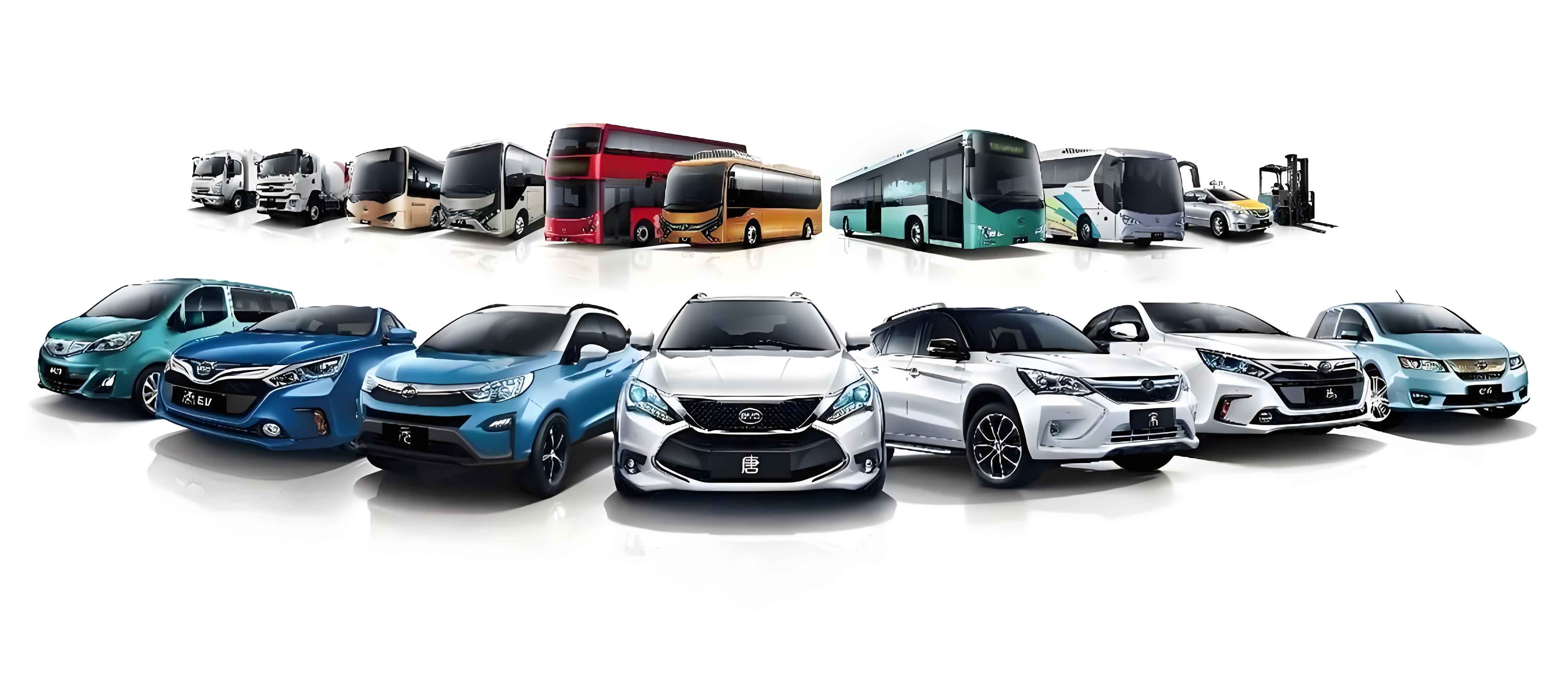
- Electric vehicle exports maintain growth momentum
The first seven months of the year saw Shenzhen record electric vehicle exports valued at 15.64 billion yuan, a year-on-year increase of 5.6 percent. The electric vehicle export value represents a significant flow of trade and illustrates how electric vehicle manufacturing and electric vehicle export logistics are connected to the broader international market for cleaner transportation.
For Shenzhen, the electric vehicle export result is part of a wider pattern of industrial development in which electric vehicle producers, component suppliers, logistics providers and customs authorities work to ensure that electric vehicle shipments reach overseas customers on time. The electric vehicle export figure also points to the importance of stable customs procedures, because electric vehicle exports require coordinated documentation, inspection and transport arrangements before vehicles can be loaded and shipped to foreign markets.
The growth in electric vehicle exports was reported against the background of continuous changes in global mobility demand. Electric vehicle markets outside China have been paying close attention to product variety, safety performance, intelligent features and cost effectiveness. These factors are closely associated with the competitiveness of electric vehicle models and with the ability of electric vehicle manufacturers to secure overseas orders. The reported increase in Shenzhen electric vehicle exports therefore reflects both market demand and the operational capacity behind electric vehicle production and delivery.
At the same time, the electric vehicle export performance demonstrates that electric vehicle trade is not simply a matter of production volume. It also depends on customs clearance efficiency, transport scheduling and the timely handling of regulatory requirements. For electric vehicle exporters, each shipment must be supported by accurate declarations, appropriate inspection arrangements and reliable logistics planning. The reported electric vehicle export value therefore represents the combined result of manufacturing strength and trade facilitation.
- Production lines and customs clearance support electric vehicle deliveries
At the vehicle assembly workshop of BYD Auto Industry Company Limited, intelligent production lines were operating at full speed, with robotic arms carrying out assembly and inspection tasks with precision. New energy vehicles rolled off the line in sequence and were prepared for overseas markets after passing supervision by Pingshan Customs, a subsidiary of Shenzhen Customs. The scene illustrates the close connection between electric vehicle production, quality control and customs supervision in the electric vehicle export process.
The efficient movement of electric vehicle products from production lines to overseas markets depends on coordination among multiple stages. Electric vehicle manufacturing requires consistent quality control, electric vehicle inspection requires appropriate regulatory oversight, and electric vehicle export logistics require advance planning. The reported customs arrangements are designed to support these stages so that electric vehicle shipments can be cleared and dispatched without unnecessary delays.
For electric vehicle exporters, the ability to move vehicles quickly through customs can affect delivery schedules and customer confidence. When electric vehicle shipments are handled efficiently, manufacturers can better meet overseas delivery commitments and respond to order peaks. The reported use of customs facilitation measures for electric vehicle exports therefore supports the broader electric vehicle supply chain by helping to align production output with international shipment schedules.
The assembly and inspection process also highlights the importance of product quality in electric vehicle exports. Electric vehicle buyers in overseas markets consider safety, reliability and intelligent functions when making purchasing decisions. Manufacturers therefore need to maintain strict quality control throughout electric vehicle production, while customs authorities need to ensure that electric vehicle exports comply with applicable supervision requirements. The combination of production discipline and customs efficiency helps sustain the competitiveness of electric vehicle exports.
- Overseas demand and model advantages lift electric vehicle orders
Liu Feng, customs affairs manager at BYD, said that global demand for low-carbon travel continues to be released, and many countries are accelerating their electrification transition. These developments, together with advantages in cost effectiveness, intelligent features and safety, have pushed overseas orders higher. Liu Feng said that multiple BYD models are popular in overseas markets and that BYD exported nearly 180,000 vehicles in July, up 124.3 percent year on year, marking the fifth consecutive month of record-high exports.
The reported July export performance for BYD provides additional context for the electric vehicle export story. The figure of nearly 180,000 vehicles and the year-on-year increase of 124.3 percent indicate strong overseas demand for the company’s products during that period. The fifth consecutive month of record-high exports also suggests that electric vehicle and new energy vehicle exports have maintained a strong operational rhythm, supported by production capacity, model appeal and customs facilitation.
Global low-carbon travel demand is closely linked to the development of the electric vehicle market. As more countries pursue electrification targets and encourage cleaner transportation, electric vehicle manufacturers have opportunities to serve a wider range of customers. The reported popularity of BYD models in overseas markets reflects the importance of product competitiveness in the electric vehicle sector, including cost effectiveness, intelligent features and safety performance.
Cost effectiveness remains an important factor in electric vehicle purchasing decisions. Electric vehicle buyers compare product value, operating costs and available features when selecting models. Intelligent features are also increasingly important in the electric vehicle market, as consumers expect connected services, advanced driver assistance and digital convenience. Safety performance remains a fundamental requirement for electric vehicle manufacturers, particularly as electric vehicle adoption expands in diverse road and climate conditions.
The combination of these advantages can help electric vehicle exporters secure orders and build customer loyalty. The reported overseas order growth for BYD shows how electric vehicle model competitiveness can translate into export performance. At the same time, the electric vehicle export result depends on the ability to deliver vehicles on schedule, which in turn depends on customs clearance, logistics coordination and regulatory compliance.
- Customs measures keep electric vehicle exports moving
To support electric vehicle exports, Shenzhen Customs has implemented integrated centralized declaration and priority inspection, measures intended to ensure that complete vehicles can be shipped quickly and delivered on schedule. These arrangements are relevant to electric vehicle exporters because electric vehicle shipments often involve large volumes, detailed documentation and time-sensitive delivery commitments.
Shenzhen Customs has also coordinated with enterprises in advance regarding export plans and has arranged inspection resources in a coordinated manner to ensure that goods can pass through customs with zero waiting during order peaks. For electric vehicle exports, advance coordination can help reduce congestion and improve the flow of electric vehicle shipments from factories to ports. The reported measures support the efficient handling of electric vehicle export orders and help exporters respond to periods of high demand.
The phrase zero waiting reflects the importance of time management in electric vehicle export operations. Electric vehicle shipments must be aligned with vessel schedules, port capacity and overseas delivery requirements. Any delay in customs clearance can affect the overall electric vehicle export timetable. By coordinating inspection resources and planning ahead, customs authorities can help electric vehicle exporters maintain reliable delivery schedules and reduce operational uncertainty.
Integrated centralized declaration can also simplify procedures for electric vehicle exporters. When declaration processes are consolidated, electric vehicle manufacturers and their agents can manage documentation more efficiently and reduce duplication. Priority inspection can further support the rapid movement of electric vehicle shipments, especially when export volumes are high or delivery deadlines are tight. These measures are particularly relevant to electric vehicle exports because complete vehicles require careful handling and timely dispatch.
The customs support measures described for electric vehicle exports are part of a broader effort to connect industrial production with international trade. Electric vehicle manufacturing in Shenzhen benefits from a supply chain that includes components, software, engineering services and logistics. Efficient customs procedures help ensure that electric vehicle exports can move smoothly from production lines to overseas markets, reinforcing the competitiveness of the electric vehicle export ecosystem.
- Technical trade services and origin certificates support electric vehicle exporters
Pingshan Customs has relied on the New Energy Vehicle Industry Empowerment Base to provide technical trade measure services in advance, helping enterprises understand overseas access requirements and avoid market risks. For electric vehicle exporters, early awareness of technical trade measures can be important because electric vehicle markets often have specific requirements relating to safety, environmental performance, labeling, certification and other regulatory matters.
By providing technical trade measure services before electric vehicle shipments are finalized, customs authorities can help electric vehicle manufacturers and exporters prepare more effectively for overseas market requirements. This can reduce the risk of delays or compliance problems and can support the stable flow of electric vehicle exports. The reported approach also helps electric vehicle exporters anticipate changes in foreign market rules and adjust their production and documentation processes accordingly.
Pingshan Customs has also promoted paperless declaration, intelligent review and self-service printing for certificates of origin. These facilitation measures are intended to help enterprises enjoy tariff reduction benefits under free trade agreements. For electric vehicle exporters, certificates of origin can be important trade documents because they may support preferential tariff treatment in destination markets. Paperless declaration and intelligent review can make certificate of origin procedures faster and more convenient, while self-service printing can give electric vehicle exporters greater flexibility in preparing export documentation.
The use of certificates of origin in electric vehicle exports reflects the importance of trade documentation in international commerce. Electric vehicle shipments require accurate origin information and supporting documents to qualify for applicable tariff benefits. When certificate of origin procedures are simplified, electric vehicle exporters can reduce administrative burdens and improve the efficiency of electric vehicle export transactions. The reported measures therefore complement customs clearance facilitation by addressing the documentation side of electric vehicle export operations.
Tariff reduction benefits under free trade agreements can influence the competitiveness of electric vehicle exports. By helping enterprises make full use of these benefits, customs authorities support electric vehicle exporters in managing costs and improving market access. The combination of technical trade services and certificate of origin facilitation helps create a more predictable environment for electric vehicle exports and strengthens the connection between electric vehicle production and overseas market opportunities.
- Key electric vehicle export data
| Indicator | Reported value | Year-on-year change |
|---|---|---|
| Shenzhen electric vehicle exports in the first seven months | 15.64 billion yuan | Up 5.6 percent |
| BYD vehicle exports in July | Nearly 180,000 vehicles | Up 124.3 percent |
| BYD export record streak | Fifth consecutive month of record-high exports | Not applicable |
- Customs support measures for electric vehicle exports
| Measure | Reported purpose |
|---|---|
| Integrated centralized declaration | Support efficient declaration handling for electric vehicle exports |
| Priority inspection | Help ensure rapid shipment and on-time delivery of electric vehicle exports |
| Advance coordination on export plans | Align customs resources with electric vehicle export schedules |
| Coordinated inspection resources | Support zero-wait customs clearance during order peaks |
| New Energy Vehicle Industry Empowerment Base | Provide advance technical trade measure services for electric vehicle exporters |
| Paperless certificate of origin declaration | Simplify documentation for electric vehicle export transactions |
| Intelligent review and self-service printing | Help electric vehicle exporters use free trade agreement tariff benefits |
- Electric vehicle export performance reflects broader trade resilience
The reported electric vehicle export value of 15.64 billion yuan and the 5.6 percent year-on-year growth indicate that Shenzhen’s electric vehicle export trade has maintained a positive trajectory in the first seven months of the year. The electric vehicle export result is significant because it reflects the ability of local manufacturers to produce electric vehicle models that appeal to overseas customers while also managing the logistical and regulatory requirements of international trade.
Electric vehicle exports are closely tied to the development of a broader electric vehicle ecosystem. This ecosystem includes electric vehicle manufacturing, battery and component supply, software and intelligent systems, testing and certification, port operations and customs services. The reported performance of electric vehicle exports therefore provides insight into the strength of the entire electric vehicle value chain in Shenzhen and the surrounding region.
The electric vehicle export figures also show that electric vehicle trade can contribute to economic activity and employment in related industries. Electric vehicle production requires engineering, manufacturing, quality control and logistics services. Electric vehicle exports require trade documentation, customs brokerage, transport and port services. As electric vehicle exports grow, these related activities can benefit from increased demand for specialized services and infrastructure.
At the same time, the electric vehicle export performance should be viewed in the context of a competitive global market. Electric vehicle manufacturers around the world are expanding their product lines and seeking to meet changing customer expectations. To remain competitive, electric vehicle exporters must continue to improve product quality, safety, intelligent features and cost effectiveness. Customs facilitation and trade services can support these efforts by reducing friction in the electric vehicle export process.
The reported growth in Shenzhen electric vehicle exports also highlights the importance of reliable customs supervision. Electric vehicle exports involve complete vehicles that must be inspected and declared in accordance with applicable rules. Efficient supervision helps ensure that electric vehicle shipments meet regulatory requirements without causing unnecessary delays. The combination of effective supervision and trade facilitation supports both compliance and competitiveness in the electric vehicle export sector.
- Customs facilitation and electric vehicle supply chain efficiency
Electric vehicle supply chains are complex and time-sensitive. Manufacturers must coordinate production schedules with suppliers, logistics providers and overseas customers. Customs procedures form an important part of this chain because electric vehicle exports cannot proceed without proper declaration, inspection and documentation. The reported customs measures for electric vehicle exports are therefore directly relevant to supply chain efficiency.
Integrated centralized declaration can help electric vehicle exporters manage documentation more effectively. Priority inspection can help reduce waiting times for electric vehicle shipments. Advance coordination on export plans can help customs authorities allocate inspection resources in line with expected electric vehicle export volumes. Coordinated inspection arrangements during order peaks can help prevent bottlenecks and support zero-wait customs clearance.
These measures can be particularly important for electric vehicle exports because complete vehicles require specialized handling and transport. Electric vehicle shipments may involve large volumes, specific loading requirements and tight delivery windows. When customs procedures are efficient, electric vehicle exporters can better align production output with vessel schedules and overseas delivery commitments. This can improve customer satisfaction and support repeat orders in international electric vehicle markets.
Technical trade measure services and certificate of origin facilitation also contribute to electric vehicle supply chain efficiency. Early awareness of overseas access requirements can help electric vehicle exporters avoid compliance problems that might otherwise delay shipments. Paperless declaration, intelligent review and self-service printing for certificates of origin can reduce administrative time and help electric vehicle exporters obtain the documents needed for preferential tariff treatment. These measures support the smooth flow of electric vehicle exports from production to final delivery.
The electric vehicle export process also benefits from coordination between customs authorities and enterprises. When electric vehicle manufacturers share export plans in advance, customs authorities can prepare inspection resources and streamline procedures. When customs authorities provide information on technical trade measures, electric vehicle exporters can adjust their products and documentation to meet overseas requirements. This two-way coordination helps build a more predictable environment for electric vehicle exports.
- Electric vehicle export outlook
The reported electric vehicle export performance in the first seven months of the year provides a foundation for continued attention to the electric vehicle sector. The figures show that Shenzhen electric vehicle exports reached 15.64 billion yuan, with year-on-year growth of 5.6 percent. They also show that BYD exported nearly 180,000 vehicles in July, up 124.3 percent year on year, and achieved a fifth consecutive month of record-high exports.
These reported results suggest that electric vehicle exports remain an important part of Shenzhen’s trade profile. The electric vehicle export trend is supported by global demand for low-carbon travel, the competitiveness of electric vehicle models and the efficiency of customs procedures. As overseas markets continue to develop their electric vehicle ecosystems, electric vehicle exporters will need to maintain high standards in product quality, safety, intelligent features and cost effectiveness.
Customs facilitation will remain relevant to the electric vehicle export outlook. Electric vehicle exporters depend on predictable clearance times, efficient documentation and timely inspection. Measures such as integrated centralized declaration, priority inspection, advance coordination and zero-wait clearance during order peaks can help electric vehicle exporters meet delivery schedules and respond to market demand. Technical trade services and certificate of origin facilitation can further support electric vehicle exports by helping enterprises manage regulatory requirements and tariff benefits.
The electric vehicle export outlook also depends on the ability of manufacturers to adapt to changing market conditions. Electric vehicle markets are evolving, and customer expectations for safety, intelligence and environmental performance continue to develop. Electric vehicle exporters that can respond quickly to these changes while maintaining efficient production and logistics operations will be better positioned to compete in international markets. The reported customs support measures can help create the conditions for electric vehicle exporters to focus on product development and market expansion.
The electric vehicle export story from Shenzhen is therefore one of industrial capability, trade facilitation and international market demand. The reported value of electric vehicle exports, the growth rate, the July export performance of BYD and the customs measures described all contribute to a fuller understanding of how electric vehicle exports are supported. The electric vehicle sector remains closely connected to the broader goals of low-carbon transportation and cleaner mobility, and the reported electric vehicle export performance provides a basis for continued monitoring of trade developments in the months ahead.
- Conclusion
Shenzhen’s electric vehicle exports reached 15.64 billion yuan in the first seven months of this year, up 5.6 percent year on year, according to Shenzhen Customs statistics. The reported electric vehicle export performance was supported by production at BYD, where intelligent assembly and inspection processes prepared new energy vehicles for overseas markets, and by customs measures designed to ensure rapid shipment and on-time delivery of electric vehicle exports.
The electric vehicle export picture also includes strong overseas demand for BYD models. Liu Feng, customs affairs manager at BYD, reported that global low-carbon travel demand, accelerating electrification in many countries and advantages in cost effectiveness, intelligence and safety have pushed overseas orders higher. BYD exported nearly 180,000 vehicles in July, up 124.3 percent year on year, marking the fifth consecutive month of record-high exports.
Customs facilitation for electric vehicle exports includes integrated centralized declaration, priority inspection, advance coordination on export plans, coordinated inspection resources and zero-wait clearance during order peaks. Pingshan Customs has also used the New Energy Vehicle Industry Empowerment Base to provide technical trade measure services in advance, helping enterprises understand overseas access requirements and avoid market risks. Paperless declaration, intelligent review and self-service printing for certificates of origin further support electric vehicle exporters in using free trade agreement tariff benefits.
Together, these reported developments show how electric vehicle production, electric vehicle export logistics and customs services interact to support international trade. The electric vehicle export performance of Shenzhen reflects the competitiveness of local electric vehicle manufacturing and the effectiveness of trade facilitation measures. The reported figures and measures provide a clear view of the current electric vehicle export environment and the operational foundations behind the movement of electric vehicle products to overseas markets.