
The Ministry of Industry and Information Technology will pursue a five-part policy agenda to support the high-quality development of China’s power battery industry, Vice Minister Xiong Jijun said at the opening ceremony of the 2026 World Power Battery Conference on September 3. The agenda covers technological innovation, standards, competitive order, application scenarios, and international cooperation, and is intended to accelerate the power battery sector’s shift toward high-end, intelligent, green, and international development.
In his address, Xiong described the power battery as a core component of intelligent connected vehicles and a key support for the green and low-carbon transformation of the automotive industry. He said the power battery industry is also an important engine for cultivating and expanding new quality productive forces and for strengthening industrial competitiveness, adding that its strategic position is prominent and its development prospects are broad.
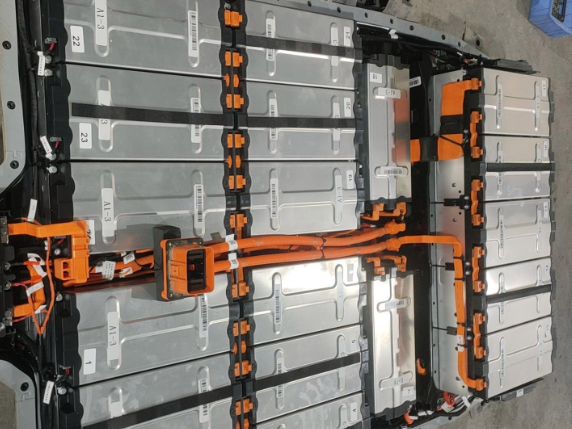
The vice minister’s remarks placed the power battery industry within the broader context of a new round of scientific and technological revolution and industrial transformation. Green and low-carbon technologies, together with artificial intelligence, are driving accelerated transformation of the automotive industry, while intelligent connected and new energy vehicles have become major development directions. Against that backdrop, the power battery is not only a component issue but also a strategic issue linked to industrial upgrading, energy transition, and global competitiveness.
1. Strategic Role of the Power Battery Industry
Xiong said the power battery is a core component of intelligent connected vehicles and a key support for improving the green and low-carbon transformation of the industry and achieving the dual carbon goals. It is also an important engine for cultivating and expanding new quality productive forces and enhancing industrial competitiveness. The power battery industry therefore has a prominent strategic position and broad development prospects.
The address reflected a policy perspective that treats the power battery as part of a wider industrial system. The power battery industry is connected to upstream materials, downstream vehicle manufacturing, energy storage, transportation, recycling, and international trade. Its development therefore affects not only the automotive sector but also the broader manufacturing system and the green transition. The ministry’s emphasis on high-quality development indicates that scale alone is no longer the only measure of success; technological capability, standards, quality, safety, and orderly competition are also central to the next stage of power battery industry development.
The power battery sector has become an important area of international industrial competition. As electric vehicles, energy storage systems, and intelligent transportation applications expand, the performance, safety, cost, and carbon footprint of the power battery are increasingly important. The ministry’s agenda seeks to address these dimensions together rather than treating them as separate issues. In this sense, the five-part roadmap for the power battery industry is intended to support both industrial upgrading and global cooperation.
2. Scale Expansion and Industrial Achievements
China’s power battery industry has achieved significant results in recent years, with an industrial scale that is globally leading. In 2025, China’s power battery installed volume reached 769.7 GWh, compared with 63.6 GWh in 2020, an increase of more than tenfold. This expansion has further consolidated the scale advantage of the power battery industry.
| Indicator | 2020 | 2025 | Reported change |
|---|---|---|---|
| Power battery installed volume | 63.6 GWh | 769.7 GWh | More than tenfold increase |
Xiong said that through the joint efforts of all parties, China’s power battery industry has achieved positive results. It has not only become a bright brand of China’s high-quality manufacturing but has also added new momentum to the green transformation of the global automotive industry. He cited several areas of progress: a globally leading industrial scale, significantly improved technological level, a complete and efficient industrial system, and gradually improved management policies.
The power battery industry’s scale advantage is accompanied by a broad industrial chain. The sector involves battery materials, cells, modules, battery management systems, manufacturing equipment, recycling, and applications in vehicles and energy storage. The ministry’s assessment suggests that the power battery industry has moved from an emerging sector to a major manufacturing field with systemic importance. At the same time, the address made clear that scale must be matched by quality, safety, and technological progress.
The achievements described at the conference are important for the power battery industry because they provide a foundation for the next stage of development. A globally leading power battery industry can support the growth of new energy vehicles, stabilize supply chains, and contribute to the green transition. However, the ministry also emphasized that the industry must address weaknesses and risks in order to maintain its competitive position.
3. Challenges Facing the Power Battery Sector
While affirming the achievements, Xiong said the industry must clearly recognize that product performance still needs further improvement, that next-generation battery technologies and materials require more breakthroughs, and that irrational competition in the industry is prominent. These issues require serious study and response.
The reference to product performance points to the continued need for progress in energy density, safety, durability, and other key attributes of the power battery. The reference to next-generation battery technologies and materials highlights the importance of research and development in areas such as all-solid-state batteries, sodium-ion batteries, lithium-metal batteries, new material systems, and new process structures. The reference to irrational competition indicates that the power battery industry must guard against low-price competition, blind expansion, and other behaviors that could undermine healthy market development.
Xiong said the global automotive industry transformation is still accelerating and that China’s power battery industry is in a critical period of improving quality and efficiency and expanding its advantages. This assessment frames the five-part policy agenda as a response to both opportunities and risks. The power battery industry must continue to grow, but it must do so in a way that is technologically advanced, safe, orderly, and internationally competitive.
4. Five Policy Directions for the Power Battery Industry
The Ministry of Industry and Information Technology will focus on five areas: further strengthening technological innovation, strengthening standards guidance, regulating competitive order, expanding application scenarios, and deepening opening-up and cooperation. These measures are intended to promote the power battery industry’s accelerated march toward high-end, intelligent, green, and international development.
- Further strengthen technological innovation. Support upstream and downstream parties in pooling efforts to achieve breakthroughs in all-solid-state batteries, sodium-ion batteries, lithium-metal batteries, and other technologies; accelerate research and development and application of new material systems and new process structures; and collaboratively improve the energy density, safety, durability, and other performance attributes of the power battery.
- Further strengthen standards guidance. Accelerate the formulation of standards for power battery safety performance, cycle life, carbon footprint, recycling, and other areas; actively promote alignment between the standards system and international standards; strengthen verification of implementation and enforcement; and use standards upgrading to drive quality improvement and competitiveness enhancement.
- Further regulate competitive order. Strengthen industry operation monitoring and dynamic early warning on capacity; carry out quality improvement actions; strengthen supervision of product consistency and quality; safeguard the bottom line of product quality and safety; curb low-price competition, blind expansion, and other behaviors; and promote a healthy and orderly market environment.
- Further expand application scenarios. Actively promote the large-scale application of new energy heavy trucks; explore pilot programs for zero-emission freight zones; promote battery swapping models and vehicle-grid interaction; and encourage the expansion of power battery applications in energy storage, transportation, embodied intelligence, and other fields.
- Further deepen opening-up and cooperation. Actively participate in the formulation of international standards and regulations for power battery; deepen international cooperation in areas such as carbon footprint and battery passports; coordinate upstream resource security and downstream recycling; promote the coordinated development of the industrial ecosystem; and build a more stable global industrial chain and supply chain.
| Policy area | Main focus for the power battery industry |
|---|---|
| Technological innovation | Breakthroughs in all-solid-state, sodium-ion, and lithium-metal batteries; new material systems and process structures; improved energy density, safety, and durability. |
| Standards guidance | Safety performance, cycle life, carbon footprint, and recycling standards; international alignment; implementation verification; quality and competitiveness upgrading. |
| Competitive order | Industry monitoring and capacity early warning; quality improvement; product consistency and quality supervision; curbing low-price competition and blind expansion. |
| Application expansion | New energy heavy trucks; zero-emission freight pilots; battery swapping; vehicle-grid interaction; energy storage, transportation, and embodied intelligence applications. |
| Opening-up and cooperation | International standards and regulations; carbon footprint and battery passport cooperation; upstream resource security; downstream recycling; stable global supply chains. |
5. Technological Innovation and Next-Generation Power Battery Competition
The first policy direction places technological innovation at the center of power battery development. The ministry will support upstream and downstream parties in concentrating efforts on breakthroughs in all-solid-state batteries, sodium-ion batteries, lithium-metal batteries, and other technologies. It will also accelerate research and development and application of new material systems and new process structures, with the aim of collaboratively improving the energy density, safety, durability, and other performance attributes of the power battery.
This focus reflects the fact that the next stage of power battery competition will not be determined only by manufacturing scale. It will also depend on the ability to develop new battery technologies, improve material systems, and optimize process structures. The power battery industry must continue to advance on multiple technology routes while maintaining safety and reliability. The ministry’s call for upstream and downstream cooperation suggests that progress in the power battery sector requires coordinated efforts across materials, equipment, cell manufacturing, vehicle integration, and recycling.
All-solid-state batteries, sodium-ion batteries, and lithium-metal batteries represent different technological pathways with different potential advantages and challenges. The address did not set specific targets or timelines, but it identified these areas as priorities for breakthrough efforts. For the power battery industry, the policy direction signals that research and development support will continue, and that companies across the supply chain are expected to strengthen collaboration in pursuing next-generation power battery technologies.
The emphasis on new material systems and new process structures also points to the importance of manufacturing innovation. Improvements in the power battery cannot rely solely on cell design; they also require advances in materials, production processes, quality control, and testing. The ministry’s agenda therefore connects laboratory breakthroughs with industrial application, seeking to translate technological progress into improved power battery performance and competitiveness.
6. Standards as a Lever for Power Battery Quality and Global Integration
The second policy direction focuses on standards guidance. The ministry will accelerate the formulation of standards for power battery safety performance, cycle life, carbon footprint, recycling, and other areas. It will actively promote alignment between the standards system and international standards, strengthen verification of implementation and enforcement, and use standards upgrading to drive quality improvement and competitiveness enhancement.
Standards are particularly important for the power battery industry because they affect safety, interoperability, trade, and consumer confidence. Safety performance standards help ensure that power battery products meet essential requirements. Cycle life standards support reliability and durability. Carbon footprint standards connect the power battery industry to broader green and low-carbon objectives. Recycling standards are essential for the sustainable management of power battery materials and end-of-life batteries.
The ministry’s intention to align with international standards is also significant for the power battery industry’s global development. As power battery supply chains become more international, compatibility with global standards and regulations can support trade and cooperation. The address also called for strengthening verification of implementation and enforcement, indicating that standards are not only to be written but also to be implemented. For the power battery sector, this means that quality and safety supervision will remain an important part of the policy framework.
Standards upgrading can drive quality improvement across the power battery value chain. When standards are raised, companies must improve their processes, testing, and quality management. This can help reduce low-quality competition and support the development of a healthier market. At the same time, international alignment can help the power battery industry participate more effectively in global markets and cooperate on carbon footprint, recycling, and other cross-border issues.
7. Orderly Competition and Quality Oversight in the Power Battery Market
The third policy direction addresses competitive order. The ministry will strengthen industry operation monitoring and dynamic early warning on capacity, carry out quality improvement actions, strengthen supervision of product consistency and quality, safeguard the bottom line of product quality and safety, curb low-price competition, blind expansion, and other behaviors, and promote a healthy and orderly market environment.
The power battery industry has expanded rapidly, and the ministry’s attention to capacity monitoring and early warning indicates that the policy framework will seek to balance growth with order. Dynamic early warning on capacity can help identify risks of oversupply or inefficient investment. Quality improvement actions and supervision of product consistency can help ensure that power battery products meet safety and performance requirements. The reference to curbing low-price competition and blind expansion suggests that the ministry wants to prevent market distortions that could harm the long-term development of the power battery industry.
Orderly competition is important for the power battery sector because it supports investment in research and development, quality, and safety. If companies face excessive price pressure, they may lack the resources to invest in next-generation power battery technologies or to maintain high safety standards. The ministry’s approach therefore links market order with quality and innovation. A healthy market environment is not only about price; it is also about product consistency, safety, and sustainable business practices.
The address’s emphasis on the bottom line of product quality and safety is especially relevant to the power battery industry. Power batteries are used in vehicles, energy storage systems, and other applications where safety is critical. Supervision of product consistency and quality can help reduce risks and build confidence in the power battery market. At the same time, efforts to curb low-price competition and blind expansion can support a more stable and predictable investment environment.
8. Expanding Power Battery Applications Across Transport, Storage, and Intelligent Systems
The fourth policy direction focuses on expanding application scenarios. The ministry will actively promote the large-scale application of new energy heavy trucks, explore pilot programs for zero-emission freight zones, promote battery swapping models and vehicle-grid interaction, and encourage the expansion of power battery applications in energy storage, transportation, embodied intelligence, and other fields.
The power battery industry’s future growth depends not only on passenger vehicles but also on broader applications. New energy heavy trucks represent an important application area where power battery performance, durability, and charging or swapping infrastructure matter. Pilot programs for zero-emission freight zones can provide experience for scaling up low-emission transport. Battery swapping models and vehicle-grid interaction can create new ways for power battery systems to interact with energy networks and transportation systems.
The reference to energy storage, transportation, and embodied intelligence indicates that the power battery is increasingly viewed as a general-purpose energy component. In energy storage, power battery technologies can support the integration of renewable energy and grid stability. In transportation, power battery systems can support multiple vehicle types and operating models. In embodied intelligence, power battery systems may need to meet different requirements for safety, energy density, and form factor. The ministry’s policy direction therefore encourages the power battery industry to look beyond a single application and to develop products and business models for diverse scenarios.
Expanding application scenarios can also support the power battery industry’s transition toward high-end, intelligent, and green development. New applications can create demand for higher performance, improved safety, and better system integration. They can also encourage innovation in battery management, thermal management, and recycling. For the power battery sector, application expansion is therefore both a market opportunity and a driver of technological progress.
9. International Cooperation and Resilient Power Battery Supply Chains
The fifth policy direction focuses on deepening opening-up and cooperation. The ministry will actively participate in the formulation of international standards and regulations for power battery, deepen international cooperation in areas such as carbon footprint and battery passports, coordinate upstream resource security and downstream recycling, promote the coordinated development of the industrial ecosystem, and build a more stable global industrial chain and supply chain.
The power battery industry is deeply connected to global supply chains. Upstream resources, materials, manufacturing equipment, and downstream applications involve international trade and cooperation. The ministry’s call for participation in international standards and regulations reflects the importance of shaping rules and ensuring compatibility in the global power battery market. Cooperation on carbon footprint and battery passports is also relevant to the green and low-carbon transition, as these tools can support transparency and traceability across the power battery value chain.
The address’s emphasis on coordinating upstream resource security and downstream recycling highlights the need for a comprehensive approach to the power battery supply chain. Upstream resource security is important for stable production, while downstream recycling is important for sustainability and resource efficiency. By linking these issues, the ministry’s policy direction seeks to support a more resilient and responsible power battery industry.
International cooperation can also help the power battery industry address common challenges in safety, standards, and recycling. A more stable global industrial chain and supply chain can support investment and innovation. For the power battery sector, opening-up and cooperation are not separate from domestic development; they are part of the same effort to build a competitive, sustainable, and high-quality industry.
10. Outlook for High-Quality Power Battery Development
The five-part agenda presented at the 2026 World Power Battery Conference provides a comprehensive framework for the next stage of power battery development. Technological innovation is intended to strengthen the industry’s core capabilities. Standards guidance is intended to improve quality, safety, and international compatibility. Regulation of competitive order is intended to support a healthy market environment. Expansion of application scenarios is intended to broaden demand and encourage innovation. International cooperation is intended to support stable supply chains and global integration.
For the power battery industry, the message is that high-quality development requires progress on multiple fronts at the same time. The power battery sector must continue to expand its scale, but it must also improve performance, safety, durability, and recycling. It must compete in the market, but it must also avoid irrational competition and blind expansion. It must serve domestic demand, but it must also participate in international standards and cooperation.
The data cited at the conference illustrates the scale of the power battery industry’s progress: installed volume rose from 63.6 GWh in 2020 to 769.7 GWh in 2025, an increase of more than tenfold. That growth has consolidated China’s scale advantage in the power battery sector. The policy agenda now seeks to convert scale into sustained competitiveness through innovation, standards, quality, and cooperation.
The power battery industry is entering a critical period of improving quality and efficiency and expanding its advantages. The ministry’s five-part roadmap sets a clear direction for the power battery sector: move toward high-end, intelligent, green, and international development. The implementation of this agenda will shape the next phase of power battery industry development and will influence the broader automotive and energy transition.
As the global automotive industry transformation continues to accelerate, the power battery will remain a strategic component and a key area of industrial competition. The address by Vice Minister Xiong Jijun signals that policy support for the power battery industry will focus on both innovation and order, both domestic development and international cooperation, and both scale and quality. The power battery industry is therefore expected to continue its evolution as a major manufacturing sector and as an important contributor to the green and low-carbon transition.