
Across higher education, digital technologies are reshaping how engineering knowledge is created, delivered, assessed, and renewed. In the field of electric vehicle engineering, this shift is especially visible because the electric vehicle sector combines mechanical systems, power electronics, automatic control, information technology, energy management, and intelligent connectivity. The digital construction of course groups in electric vehicle engineering is therefore not a narrow technical upgrade. It is a strategic response to the speed of electric vehicle innovation, the complexity of electric vehicle systems, and the growing demand for graduates who can work across disciplines. Digital tools are changing course resources, teaching models, and learning systems, and they are producing a deep impact on the educational ecosystem that supports electric vehicle talent development. The analysis below examines the direct effects of digitalization on electric vehicle engineering course groups and identifies practical pathways for improving quality, relevance, and industry alignment.
The electric vehicle industry is moving quickly, and electric vehicle education must move with it. Traditional course groups often rely on fixed textbooks, sequential lectures, and standardized laboratory procedures. These methods remain valuable for foundational theory, but they are not sufficient for an electric vehicle engineering program in which battery management, electric drive control, energy flow, vehicle networking, and intelligent driving functions are constantly evolving. Digitalization offers a way to connect electric vehicle theory with electric vehicle practice, to bring real industry conditions into the classroom, and to give learners repeated opportunities to observe, simulate, adjust, and evaluate electric vehicle systems. When electric vehicle course groups are designed with digital resources, simulation environments, and data-informed teaching, students can develop a stronger command of electric vehicle engineering principles and a more realistic understanding of electric vehicle industry workflows.
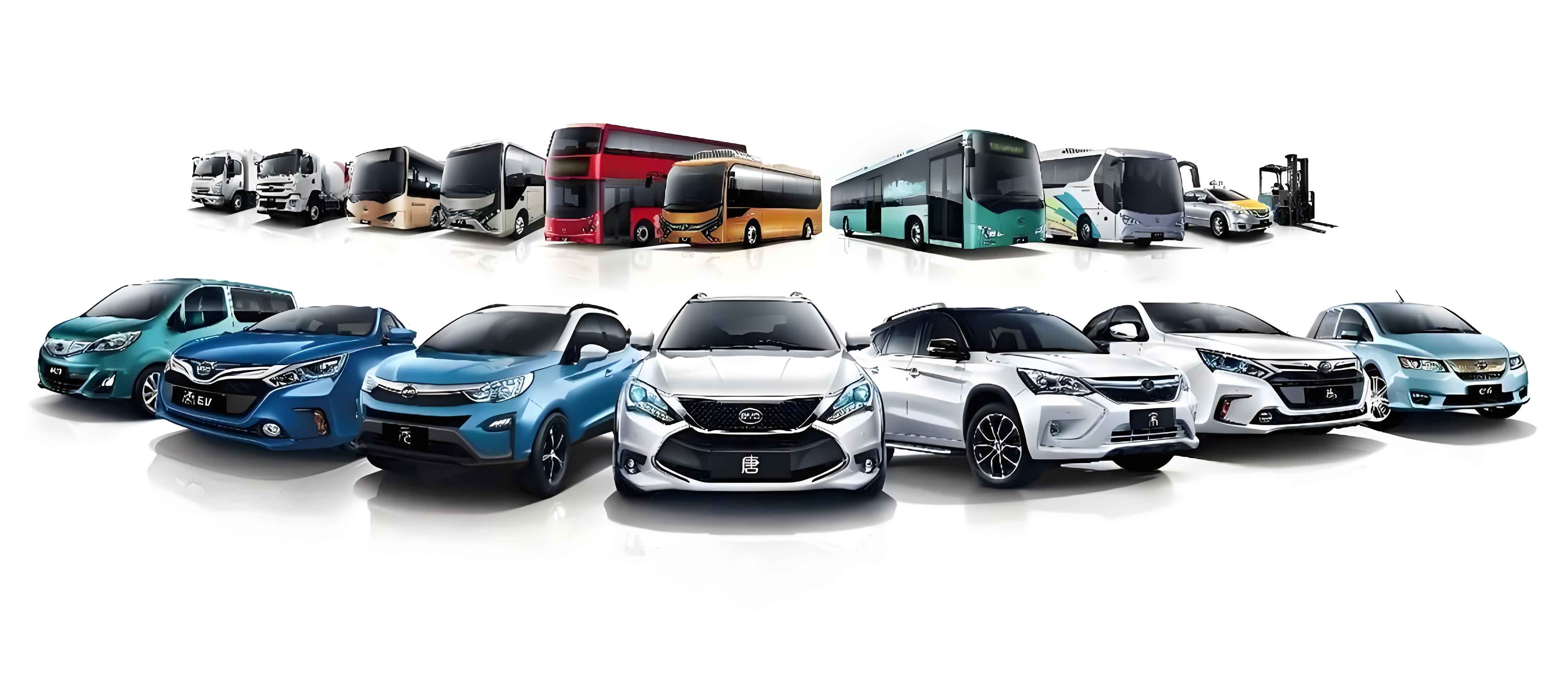
The visual context of the electric vehicle sector reinforces the central point: electric vehicle education is no longer confined to a single laboratory or a single textbook. Electric vehicle engineering students need exposure to electric vehicle components, electric vehicle control logic, electric vehicle energy management, and electric vehicle system integration in ways that mirror the complexity of the electric vehicle market. Digital course groups can provide this exposure through virtual experiments, online case libraries, interactive simulations, and collaborative project spaces. The result is not simply more technology in teaching. The result is a more coherent electric vehicle learning pathway that links electric vehicle theory, electric vehicle design, electric vehicle testing, and electric vehicle problem solving.
- Digitalization and the Development of Electric Vehicle Talent
In higher education, digitalization has increased the speed and reach of teaching resources while also stimulating innovation in educational models. Big data, cloud technology, intelligent algorithms, and networked platforms have made traditional teaching more flexible and efficient. For electric vehicle engineering, this development has special significance because electric vehicle knowledge is highly integrated. An electric vehicle is not a simple mechanical product; it is a complex system that brings together electric vehicle batteries, electric vehicle motors, electric vehicle power electronics, electric vehicle control units, electric vehicle communication networks, and electric vehicle safety systems. Digitalization helps electric vehicle course groups present this complexity in a structured way. It allows electric vehicle educators to combine text, video, simulation, data, and interactive tasks so that students can move from abstract electric vehicle principles to concrete electric vehicle applications.
Digital development also promotes cross-domain knowledge integration and practice in electric vehicle engineering. Through simulation technology and online experimental platforms, electric vehicle teaching can create a learning environment that resembles a real workplace. Students can observe electric vehicle drive system behavior, examine electric vehicle energy management strategies, and test electric vehicle control logic under different conditions. This kind of digital electric vehicle learning experience strengthens technical skills and encourages innovative thinking. It also helps students understand why electric vehicle engineering decisions involve trade-offs among efficiency, safety, cost, reliability, and environmental performance. When electric vehicle course groups use digital platforms effectively, students gain more than procedural knowledge. They gain the ability to reason about electric vehicle systems as integrated systems.
The impact on electric vehicle talent development is visible in several dimensions. First, digital electric vehicle resources improve access to updated electric vehicle content. Second, digital electric vehicle simulations make difficult concepts more visible and testable. Third, digital electric vehicle collaboration tools support teamwork and project-based learning. Fourth, digital electric vehicle assessment tools can provide faster feedback and more targeted guidance. Fifth, digital electric vehicle platforms can connect classrooms with electric vehicle enterprises, research teams, and industry data. Together, these dimensions support the formation of electric vehicle engineers who are technically capable, digitally fluent, and prepared for continuous learning. The electric vehicle sector requires graduates who can adapt as electric vehicle technology changes, and digital course groups are an important means of building that adaptive capacity.
- The Necessity of Integrating Electric Vehicle Engineering with Digitalization
Electric vehicle engineering is a multidisciplinary field. It includes mechanical engineering, electronic technology, automatic control, information technology, energy systems, and safety engineering. The educational goal is to cultivate composite talent with knowledge across multiple domains and the ability to solve complex electric vehicle engineering problems. In this context, digital technology provides strong support for electric vehicle talent development. For example, students can use advanced simulation programs to reproduce electric vehicle drive systems, electric vehicle energy management, and electric vehicle control logic. In the theoretical learning stage, they can already anticipate and address practical electric vehicle engineering problems. This ability to connect electric vehicle theory with electric vehicle simulation is essential because electric vehicle systems are often too complex, too expensive, or too dangerous to test only through physical experiments.
Digital teaching models allow students to master difficult electric vehicle course content even when high-end experimental facilities are limited. Virtual electric vehicle laboratories can supplement physical electric vehicle laboratories. Online electric vehicle simulation platforms can provide repeated practice. Digital electric vehicle case studies can bring real electric vehicle industry scenarios into the classroom. These approaches effectively improve hands-on skills and help students understand the relationship between electric vehicle parameters and electric vehicle performance. At the same time, the integration of digital technology helps reduce boundaries among disciplines. Electric vehicle engineering can be deeply integrated with related fields such as artificial intelligence, big data, intelligent transportation, and renewable energy. This integration supports the cultivation of electric vehicle professionals who can innovate and handle complex electric vehicle engineering challenges.
The necessity of digitalization is also driven by the electric vehicle industry itself. Electric vehicle products are becoming more intelligent, more connected, and more software-intensive. Electric vehicle batteries require sophisticated management. Electric vehicle motors require precise control. Electric vehicle charging systems require safe and efficient interaction with infrastructure. Electric vehicle driving functions require sensing, decision-making, and communication. An electric vehicle engineering course group that remains paper-centered and lecture-centered cannot fully prepare students for these realities. Digital electric vehicle course groups can incorporate electric vehicle data, electric vehicle simulation, electric vehicle diagnostics, and electric vehicle system modeling into daily learning. They can also support industry-education collaboration by allowing electric vehicle enterprises to contribute cases, datasets, and technical updates to the electric vehicle learning environment.
Moreover, digitalization supports personalized electric vehicle learning. Students enter electric vehicle programs with different backgrounds in mechanics, electronics, programming, and control. A digital electric vehicle platform can provide differentiated electric vehicle resources, adaptive electric vehicle exercises, and targeted electric vehicle feedback. This flexibility is important because electric vehicle engineering requires both breadth and depth. Some students need more support in electric vehicle power electronics; others need more challenge in electric vehicle energy management. Digital electric vehicle teaching can help instructors respond to these differences without sacrificing the coherence of the electric vehicle course group. When designed well, digital electric vehicle education becomes a bridge between standardized electric vehicle curricula and individual electric vehicle learning needs.
- Course Content and the Limits of Traditional Teaching Models
The first major challenge facing electric vehicle engineering course groups is the fit between course content and conventional teaching models. Conventional teaching tends to emphasize the explanation of basic theory and standardized experimental steps. This approach has value, but it is relatively limited in diversity and cannot fully meet the requirements of digital reform for electric vehicle content and electric vehicle teaching methods. Electric vehicle knowledge is technology-intensive and changes quickly. Existing traditional textbooks and course settings often lag behind the electric vehicle industry. In areas such as electric vehicle battery management, students need simulation tools to reproduce the dynamic process of battery charging and discharging. A traditional teaching model that relies only on oral explanation cannot adequately demonstrate the complexity of these electric vehicle technical operations. Many electric vehicle courses have not fully integrated online teaching resources, and students therefore do not receive enough support for practical skill development.
This mismatch affects electric vehicle learning in several ways. Students may understand electric vehicle terminology but fail to visualize electric vehicle system behavior. They may memorize electric vehicle control principles but struggle to interpret electric vehicle data. They may know electric vehicle battery concepts but lack experience in electric vehicle battery modeling and electric vehicle battery state estimation. The gap between electric vehicle theory and electric vehicle practice weakens the value of the electric vehicle course group. It also reduces students’ forward-looking insight into electric vehicle industry trends. Electric vehicle engineering education must therefore move beyond content delivery toward electric vehicle capability development. Digital electric vehicle resources can help, but they must be integrated into the electric vehicle curriculum in a coherent and sustained way rather than added as isolated demonstrations.
The problem is not that traditional teaching has no place in electric vehicle education. Foundational electric vehicle mathematics, electric vehicle physics, electric vehicle circuit theory, and electric vehicle control theory still require careful explanation and guided practice. The problem is that traditional teaching alone cannot carry the full weight of electric vehicle engineering competence. Electric vehicle students need opportunities to model electric vehicle systems, test electric vehicle assumptions, analyze electric vehicle failures, and improve electric vehicle designs. Digital electric vehicle course content can support these activities when it is aligned with electric vehicle learning outcomes and electric vehicle industry requirements. Without such alignment, digital electric vehicle resources may become fragmented, and students may not develop a unified understanding of electric vehicle engineering.
- Teacher Digital Teaching Capacity and Pedagogical Change
Some higher education institutions have invested resources in building digital teaching environments, but teachers often encounter obstacles in practical operation. Electric vehicle engineering covers many technical fields. Electric vehicle teachers must not only master deep academic theory but also become proficient in the application of digital teaching methods. For example, using a virtual laboratory to simulate an electric vehicle power system or using simulation software to present electric vehicle battery management data in real time requires specific technical ability. Some teachers remain more comfortable with traditional teaching models and find it difficult to combine digital tools with classroom teaching. As a result, the expected improvement in electric vehicle teaching effectiveness is not fully realized. In an electric vehicle power system course, for instance, many teachers still use traditional methods to describe the electric vehicle power system but do not effectively use computer simulation technology for system analysis. Students therefore cannot deepen their understanding of electric vehicle theory through actual operation.
Teacher capacity is a central issue because digital electric vehicle teaching is not simply the replacement of a blackboard with a screen. It involves the redesign of electric vehicle learning activities. Teachers need to decide when an electric vehicle simulation should replace, supplement, or precede a physical experiment. They need to select electric vehicle datasets that are appropriate for the level of the class. They need to guide students in interpreting electric vehicle simulation results and in recognizing the assumptions behind electric vehicle models. They also need to assess electric vehicle project work in ways that value analysis, iteration, and reflection rather than only final answers. These tasks require professional development that is specific to electric vehicle engineering, not generic digital training.
The pedagogical change also affects the role of the electric vehicle teacher. In a digital electric vehicle course group, the teacher becomes a designer of electric vehicle learning experiences, a facilitator of electric vehicle projects, and a coach who provides feedback on electric vehicle modeling and electric vehicle problem solving. This role requires familiarity with online platforms, simulation tools, collaborative workspaces, and learning analytics. It also requires the confidence to experiment with new electric vehicle teaching methods and to learn from the results. When electric vehicle teachers are supported through training, collaboration, and recognition, digital electric vehicle teaching can become a sustainable part of the electric vehicle curriculum rather than a short-term initiative.
- Resource Allocation and Technology Platform Alignment
Resource allocation and technology platform alignment are common difficulties in the digital transformation process. From the perspective of hardware facilities, many electric vehicle courses require high-performance computers and specialized simulation tools. The electric vehicle battery management system course, for example, depends on simulation tools for data analysis and model deduction. Although some institutions have introduced digital teaching systems, these systems may suffer from delayed updates or insufficient maintenance and may not meet the new requirements of electric vehicle education. Some systems cannot yet support emerging electric vehicle technologies. In intelligent connected electric vehicle teaching content, teachers may be unable to use these systems for real-time demonstration and teacher-student interaction. Resource distribution among institutions is also uneven. Some institutions rely too heavily on a single technology platform while neglecting other key teaching support tools such as remote laboratories and electronic textbooks. This unreasonable resource allocation seriously affects the effectiveness of digital electric vehicle teaching and reduces opportunities for students to learn and practice under realistic electric vehicle technical conditions.
Platform alignment is not only a matter of equipment. It is also a matter of workflow. An electric vehicle digital teaching platform should support course publication, electric vehicle resource sharing, electric vehicle assignment submission, electric vehicle assessment, electric vehicle simulation, and electric vehicle project collaboration. If these functions are scattered across unrelated systems, teachers and students face unnecessary friction. If the platform is outdated, electric vehicle teachers cannot present current electric vehicle technology. If the platform is disconnected from electric vehicle industry tools, students may learn procedures that do not match professional practice. A well-aligned electric vehicle platform should be reliable, maintainable, extensible, and connected to electric vehicle teaching goals. It should also be accessible to students with different devices and network conditions so that digital electric vehicle learning does not create new inequalities.
The resource challenge also concerns content maintenance. Electric vehicle technology changes quickly, and digital electric vehicle resources can become obsolete if they are not regularly updated. Institutions need processes for reviewing electric vehicle course resources, retiring outdated electric vehicle content, and adding new electric vehicle cases. They need technical support for platform maintenance and teacher support for content development. They also need collaboration with electric vehicle enterprises to ensure that electric vehicle teaching resources reflect electric vehicle industry practice. Without these processes, digital electric vehicle platforms may look modern while remaining pedagogically static. The goal is not simply to install technology but to create a living electric vehicle learning infrastructure that supports continuous improvement.
- Digital Innovation and Update Mechanisms for Electric Vehicle Course Content
As electric vehicle technology advances, the teaching content of engineering programs must be continuously updated to match rapid technological evolution. In this context, the digital transformation of electric vehicle teaching resources and the establishment of update mechanisms are especially important. Electric vehicle course groups should actively introduce digital tools such as online virtual laboratories, augmented reality, and virtual reality to present complex electric vehicle theory and electric vehicle practical operations. Through virtual simulation systems, students can adjust and operate electric vehicle power and control systems in simulated scenarios, thereby strengthening practical electric vehicle skills. This method gives students an experience close to real operation in a virtual space. The immersive interaction can greatly increase students’ enthusiasm for electric vehicle learning and improve their electric vehicle operational skills.
The electric vehicle teaching system also needs a real-time adjustment strategy. As electric vehicle technology continues to innovate, textbook outlines and electric vehicle course materials should continuously incorporate new academic results, electric vehicle industry standards, and electric vehicle market trends. Electric vehicle course materials should be updated promptly for cutting-edge electric vehicle technologies such as intelligent electric vehicle systems and connected electric vehicle functions. For example, the latest developments in electric vehicle intelligent systems, including automated driving implementation and in-vehicle artificial intelligence applications, should be integrated so that electric vehicle course materials keep pace with the times. Online education platforms can also be used to distribute frontier electric vehicle industry information and professional papers, helping students grasp the pulse of the electric vehicle industry and enriching the timeliness of electric vehicle teaching resources.
Electric vehicle course content should also become richer and more interdisciplinary. Course design should integrate electric vehicle engineering with information technology, intelligent control, and other cross-disciplinary fields, expanding the breadth and depth of electric vehicle teaching content. To improve the practical relevance of electric vehicle teaching, courses should include a large number of real electric vehicle cases and guide students to transform academic knowledge into electric vehicle practice. Project-based teaching and multidisciplinary collaboration can significantly strengthen students’ teamwork and overall innovation capacity, making them better fit for future electric vehicle technological trends. At the same time, electric vehicle teaching plans must strengthen the intersection of multidisciplinary knowledge and incorporate advanced technologies such as artificial intelligence and big data into electric vehicle courses. Deep collaboration with electric vehicle enterprises and research institutions can bring electric vehicle teaching content closer to electric vehicle industry development and greatly enhance students’ electric vehicle industry fit and practical skills.
- Enhancing Electric Vehicle Teacher Capacity and Teaching Model Innovation
In the wave of digital education, teachers in electric vehicle engineering urgently need to strengthen their digital teaching skills to meet the new educational environment. Electric vehicle teachers should regularly participate in specialized seminars on digital electric vehicle teaching and become proficient in digital electric vehicle teaching equipment and methods. For example, they can study how to use MOOC, SPOC, and other online platforms to implement blended electric vehicle teaching, moving theoretical electric vehicle courses online and reserving limited classroom time for electric vehicle practice and discussion. In this way, teachers can convey more electric vehicle knowledge in a shorter time while improving classroom interaction and flexibility.
In addition to learning online teaching platforms, electric vehicle teachers need to master digital educational resources such as simulation laboratories and three-dimensional simulation programs. These resources can transform abstract electric vehicle theory and electric vehicle experiments into intuitive visual presentations. For example, teachers can use simulation software to visually show students the operating mechanism of an electric vehicle power system. Through interactive virtual components, students can study the role of the battery management system in regulating charging and discharging and thereby understand the underlying electric vehicle technical principles more deeply. Teachers should also encourage students to engage in project-based learning and problem-oriented learning, using real electric vehicle projects or cases to strengthen students’ application ability and innovative thinking. A project on the development of a motor unit for a new environmentally friendly electric vehicle can allow students, under teacher guidance, to use computer simulation software to complete scheme design, simulation analysis, and experimental verification. Digital electric vehicle teaching can effectively guide students to apply book knowledge to practice and exercise their ability to handle practical electric vehicle problems.
With electronic teaching tools, electric vehicle teachers can provide immediate feedback and customized guidance, ensuring that students can adjust their electric vehicle learning methods flexibly and significantly improve learning outcomes. This teaching model helps students understand electric vehicle professional knowledge and stimulates their enthusiasm for independent electric vehicle learning and exploration. It cultivates their innovation awareness, electric vehicle problem-solving skills, and practical ability to face complex electric vehicle engineering challenges. When electric vehicle teachers skillfully apply digital teaching skills, they can energize the electric vehicle classroom and help students adapt quickly to professional electric vehicle technology updates. This technology-centered electric vehicle teaching approach ensures that students have a solid professional foundation and breakthrough electric vehicle innovation thinking when they face future electric vehicle workplace challenges.
- Optimizing Electric Vehicle Digital Teaching Platforms and Resource Allocation
Strengthening the digital upgrade of electric vehicle engineering course groups and optimizing electric vehicle teaching systems and resource allocation are key steps. The first task is to build an integrated platform with diverse functions, including electric vehicle course publication, online electric vehicle assignment submission, online electric vehicle assessment, and electric vehicle simulation experiments, so as to enhance the interactivity of electric vehicle teaching. For example, the platform can establish a simulation laboratory where students can operate an electric vehicle power system in a virtual scenario, modify electric vehicle battery and motor parameters, and observe results in real time. This simulation experiment mode reduces hardware equipment investment and greatly lowers the economic cost of electric vehicle experiments. The electric vehicle learning platform should provide customized learning paths and, according to each student’s learning speed and specific needs, intelligently recommend appropriate electric vehicle learning materials. In an electric vehicle battery management system course, the system can automatically push suitable electric vehicle textbooks, electric vehicle teaching videos, and electric vehicle practical guides based on student performance, helping students fully understand and absorb the essence of the electric vehicle course. In addition, the platform can continuously monitor learning process data and combine it with immediate teacher feedback to help students optimize their electric vehicle learning methods and improve outcomes.
The effectiveness of digital electric vehicle teaching also depends heavily on hardware facilities. Institutions need not only basic computers and projectors but also virtual reality and augmented reality equipment. With virtual reality technology, students can immersively operate various components of an electric vehicle and deeply understand the operating principles of electric vehicle batteries and electric vehicle drive systems, thereby enhancing their electric vehicle cognition and practical skills. When building electric vehicle teaching platforms, institutions should cooperate deeply with high-quality enterprises to obtain the latest electric vehicle industry technology information, real electric vehicle cases, and electric vehicle research results. Enterprises can upload advanced electric vehicle technology and big data resources to the teaching platform, giving students the opportunity to study these materials and conduct electric vehicle simulation experiments. Through deep cooperation with enterprises, students can access frontline electric vehicle industry information and broaden their horizons.
The electric vehicle teaching platform must also be continuously updated to keep pace with developments in electric vehicle technology. Teachers can adjust electric vehicle teaching content according to the latest electric vehicle industry trends to ensure that students master the latest electric vehicle technical knowledge. By improving platform functions and rationally allocating electric vehicle teaching resources, electric vehicle teaching effectiveness can be further enhanced and students can be offered more flexible and diverse electric vehicle learning pathways. The system can use large-scale data to monitor students’ electric vehicle learning outcomes in real time and intelligently adjust electric vehicle teaching content and methods so that each student can absorb electric vehicle knowledge on a foundation that matches individual ability. At the same time, automated allocation of electric vehicle teaching resources helps teachers manage student electric vehicle learning conditions more effectively within a demanding teaching workload, interact deeply with students, and provide customized electric vehicle tutoring.
| Digital Dimension for Electric Vehicle Course Groups | Electric Vehicle Teaching Need | Qualitative Editorial Implication |
|---|---|---|
| Electric vehicle course content | Electric vehicle battery, motor, control, energy, and connectivity topics must remain current. | Content should be reviewed and refreshed through electric vehicle industry inputs and academic updates. |
| Electric vehicle simulation environment | Students need to observe and adjust electric vehicle system behavior safely and repeatedly. | Virtual electric vehicle laboratories should complement physical electric vehicle experiments. |
| Electric vehicle teacher capability | Teachers need electric vehicle domain knowledge and digital electric vehicle pedagogy. | Professional development should focus on electric vehicle simulation, electric vehicle data, and blended electric vehicle teaching. |
| Electric vehicle platform integration | Electric vehicle courses, resources, assignments, assessment, and collaboration should connect smoothly. | Platform choice should support electric vehicle learning workflows rather than fragment them. |
| Electric vehicle industry collaboration | Electric vehicle cases, electric vehicle datasets, and electric vehicle technical trends should enter teaching. | Enterprise participation can improve the authenticity of electric vehicle course groups. |
| Electric vehicle learning assessment | Electric vehicle competence requires analysis, modeling, testing, and problem solving. | Assessment should value electric vehicle reasoning and electric vehicle project iteration. |
The table above presents a qualitative alignment map rather than a set of statistical claims. It shows that electric vehicle course group digitalization depends on multiple dimensions working together. An electric vehicle platform without updated electric vehicle content will not produce current electric vehicle learning. Electric vehicle content without prepared electric vehicle teachers will not produce strong electric vehicle teaching. Electric vehicle teachers without reliable electric vehicle infrastructure will not be able to sustain digital electric vehicle instruction. Electric vehicle industry collaboration without electric vehicle curriculum integration will remain external to student learning. The electric vehicle course group therefore requires coordinated governance across content, people, platforms, and partnerships.
- Quality Assurance and Governance for Electric Vehicle Digital Course Groups
Quality assurance is essential if digital electric vehicle course groups are to become more than a collection of tools. Electric vehicle programs need clear expectations for electric vehicle curriculum design, electric vehicle resource quality, electric vehicle teaching evaluation, and electric vehicle platform maintenance. Electric vehicle course leaders should define what students are expected to know and be able to do in electric vehicle modeling, electric vehicle testing, electric vehicle diagnosis, electric vehicle design, and electric vehicle system integration. Digital electric vehicle resources should then be selected or developed to support those outcomes. Electric vehicle assessment should include tasks that require students to interpret electric vehicle data, justify electric vehicle design choices, and reflect on electric vehicle simulation assumptions. These practices help ensure that digital electric vehicle teaching improves learning rather than merely increasing screen time.
Governance also involves teacher support. Electric vehicle teachers need time to develop digital electric vehicle materials, opportunities to observe effective electric vehicle teaching practices, and recognition for electric vehicle teaching innovation. Peer review of electric vehicle course resources can improve quality and consistency. Joint development across electric vehicle course groups can reduce duplication and create shared electric vehicle learning objects. Technical support teams can maintain electric vehicle platforms and help teachers solve electric vehicle simulation problems. When electric vehicle teachers feel supported, they are more likely to integrate digital electric vehicle methods into regular teaching and to update them over time. When electric vehicle students receive clear guidance and reliable access, they are more likely to engage deeply with electric vehicle digital learning.
Electric vehicle digital course groups should also address risk. Overdependence on a single electric vehicle platform can create fragility. Unequal access to devices or networks can create exclusion. Poorly curated electric vehicle resources can spread outdated electric vehicle information. Excessive simulation without physical electric vehicle experience can limit practical understanding. Data collection in electric vehicle learning platforms requires responsible handling. Electric vehicle programs should therefore balance digital and physical electric vehicle learning, provide accessible electric vehicle resources, maintain electric vehicle content quality, and protect student data. These considerations do not weaken digital electric vehicle education; they make it more durable and credible.
- Building an Electric Vehicle Learning Ecosystem Through Industry and Research Collaboration
Electric vehicle engineering education benefits when it is connected to the electric vehicle industry and to electric vehicle research. Electric vehicle enterprises can contribute real electric vehicle cases, electric vehicle performance data, electric vehicle maintenance records, electric vehicle design constraints, and electric vehicle technology trends. Research institutions can contribute electric vehicle modeling methods, electric vehicle control algorithms, electric vehicle energy management studies, and emerging electric vehicle materials. When these contributions are integrated into electric vehicle course groups, students encounter electric vehicle problems that reflect the state of the electric vehicle field. They also learn to communicate with electric vehicle professionals and to understand how electric vehicle knowledge is used in practice. This connection strengthens the electric vehicle curriculum and improves the employability of electric vehicle graduates.
Industry and research collaboration should be designed carefully. Electric vehicle enterprises may have valuable electric vehicle data, but that data must be prepared for teaching and used ethically. Electric vehicle experts may be willing to give guest lectures, but their input should be linked to electric vehicle course outcomes. Electric vehicle projects may be exciting, but they should be scoped to student levels and supported by electric vehicle teachers. A structured collaboration model can include electric vehicle case development, electric vehicle project sponsorship, electric vehicle teacher internships, electric vehicle student internships, and joint electric vehicle resource review. Such a model helps electric vehicle programs keep electric vehicle content current while preserving academic rigor and student learning needs.
Collaboration also supports the development of electric vehicle digital resources. Electric vehicle enterprises can share electric vehicle technical materials that are suitable for education. Electric vehicle research teams can provide electric vehicle simulation models and electric vehicle datasets. Electric vehicle teachers can adapt these materials into electric vehicle learning activities. Electric vehicle students can then work on electric vehicle problems that are meaningful and realistic. Over time, this collaboration can produce a growing electric vehicle resource library that serves multiple electric vehicle courses and supports continuous improvement. The electric vehicle course group becomes a shared electric vehicle learning ecosystem rather than a set of isolated classes.
- Conclusion: Electric Vehicle Course Groups and the Future of Digital Engineering Education
Technological innovation in the electric vehicle field is pushing electric vehicle course systems toward digital transformation in order to meet electric vehicle industry needs and improve educational outcomes. With digital technology, electric vehicle educational resources can be optimized, electric vehicle teaching interaction can be strengthened, and electric vehicle learning effectiveness can be improved. Digital electric vehicle teaching models not only enhance students’ electric vehicle professional skills but also open broader space for electric vehicle teachers to innovate. As digital technology continues to evolve, electric vehicle course design and electric vehicle teaching models will become more flexible and intelligent. This evolution will help electric vehicle engineering programs cultivate professionals who have practical electric vehicle skills and strong electric vehicle innovation awareness. Digital transformation will remain a core driver of educational change and will help electric vehicle course groups support electric vehicle industry development and broader social needs more effectively.
The future of electric vehicle engineering education depends on the ability to combine electric vehicle theory, electric vehicle practice, electric vehicle data, and electric vehicle collaboration in a coherent learning experience. Electric vehicle course groups should not treat digitalization as a one-time project. They should treat it as an ongoing capability for electric vehicle curriculum renewal. Electric vehicle teachers should be supported as designers of digital electric vehicle learning. Electric vehicle students should be given repeated opportunities to model, test, analyze, and improve electric vehicle systems. Electric vehicle platforms should be reliable, integrated, and current. Electric vehicle industry partners should be engaged in ways that enrich electric vehicle teaching without compromising educational quality. When these conditions are met, electric vehicle course group digitalization can produce graduates who are ready for the electric vehicle workplace and prepared to contribute to the next stage of electric vehicle innovation.
The electric vehicle sector will continue to demand engineers who can think across mechanical, electronic, control, information, and energy domains. Electric vehicle course groups must therefore become more connected, more data-informed, and more responsive to electric vehicle industry change. Digital electric vehicle resources can support this goal, but they must be embedded in a thoughtful electric vehicle curriculum and sustained by capable electric vehicle teachers. The most effective electric vehicle digital course groups will combine simulation with physical practice, online resources with classroom guidance, electric vehicle data with electric vehicle ethics, and electric vehicle industry insight with electric vehicle academic depth. Such course groups can help electric vehicle education move beyond surface-level modernization and toward a deeper transformation that benefits electric vehicle students, electric vehicle teachers, electric vehicle enterprises, and the wider electric vehicle ecosystem.