
QINGDAO – In a production workshop in Qingdao, mechanical arms move with precision while workers carry out detailed operations. One electric vehicle after another rolls through assembly, performance testing, dust protection, and final vehicle debugging. After every indicator meets the required standards, these electric vehicles are prepared for shipment to Egypt. The scene captures a wider shift in Qingdao’s export profile: electric vehicle exports are becoming a more visible part of trade with North Africa, and Egypt is emerging as a strategic destination for electric vehicle shipments from the city.
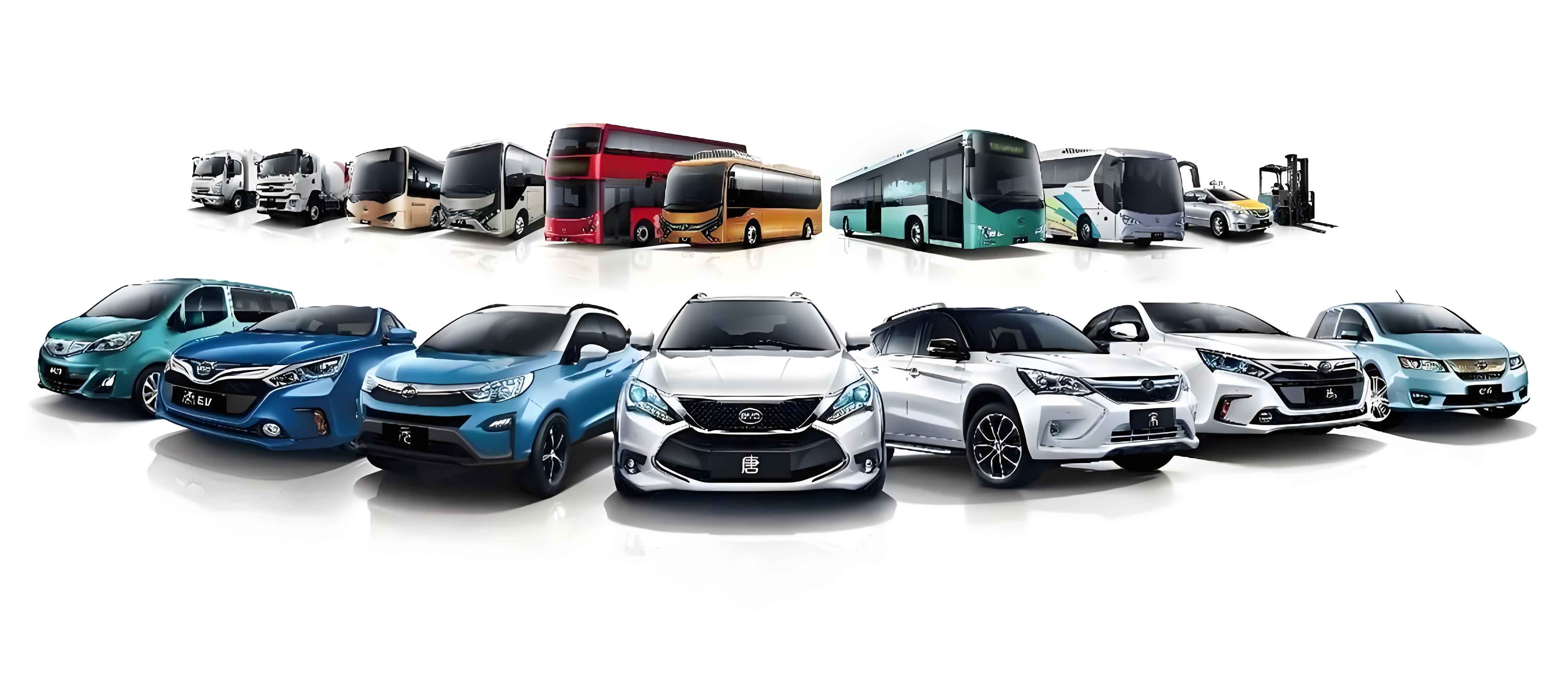
The momentum is supported by concrete trade figures. In the first eight months of the year, Qingdao’s export value to Egypt reached RMB 3.332 billion, up 30.7 percent year-on-year. Within that total, electric vehicle exports to Egypt increased by 177.7 percent year-on-year. For one Qingdao-based electric vehicle producer, exports of electric vehicles to Egypt reached RMB 134 million in the same period, up 200 percent year-on-year. The figures point to a clear pattern: electric vehicle trade is expanding faster than the overall export relationship, and Egypt is playing a key role in that expansion.
1. A production line tuned for electric vehicle exports to Egypt
The production process described at the Qingdao plant is not simply a matter of assembling electric vehicles for a distant market. It reflects a more targeted approach to electric vehicle exports. Mechanical arms operate alongside workers, and each electric vehicle passes through multiple stages before it is cleared for shipment. Assembly is followed by performance testing, dust protection, and vehicle debugging. These steps are important for any export market, but they take on added significance when electric vehicles are destined for a region with high temperatures, drought conditions, windblown sand, and demanding road environments.
The electric vehicles leaving this production line are part of a broader flow of electric vehicle exports from Qingdao to Egypt. The company’s production and export work is organized around the requirements of the destination market, and the final checks are designed to ensure that each electric vehicle is ready for the conditions it will face after arrival. The attention to performance testing and dust protection shows how electric vehicle exports are being adapted to practical market needs rather than treated as a generic shipment.
This approach also illustrates why electric vehicle exports from Qingdao have gained traction in North Africa. The city has a complete automotive industrial chain and strong product research and development capacity. Those strengths allow local electric vehicle producers to respond to overseas demand with vehicles that are not only manufactured to export standards but also adjusted for local climate and road conditions. For electric vehicle exports, this combination of industrial capacity and market-specific customization is a competitive advantage.
The workshop scene also highlights the role of quality control in electric vehicle exports. Before an electric vehicle is shipped to Egypt, it must pass through assembly, testing, protection, and debugging. These stages help reduce the risk of technical problems after delivery and support the reputation of electric vehicle exports from Qingdao. In a market where reliability, durability, and performance under high temperatures are important, such checks are part of the foundation for long-term electric vehicle trade.
2. Egypt emerges as a strategic market for electric vehicle exports
The growth in electric vehicle exports is taking place within a wider framework of China-Africa economic and trade cooperation. Under the Belt and Road Initiative, cooperation between China and African countries has continued to improve in quality, and trade ties have become closer. Industrial complementarity has become more apparent, and complete vehicles and supporting parts have become a core growth point in China-Africa trade. Electric vehicle exports fit into this broader trend, especially as African markets pay more attention to transport quality, energy efficiency, and industrial upgrading.
Egypt’s position in North Africa makes it a particularly important market for electric vehicle exports. As a core hub country in North Africa, Egypt offers a large and expanding market space for electric vehicles. The country’s infrastructure is being upgraded, and local residents are showing strong demand for better travel quality. High-performance and highly adaptable commercial and civil vehicles are seeing continued growth in demand. For automakers, Egypt is increasingly becoming an important base for deepening engagement with North Africa, and electric vehicle exports are part of that engagement.
A manager at the international trading arm of a Qingdao-based electric vehicle producer said that Egypt’s infrastructure upgrade and local demand for improved travel quality are creating opportunities for high-performance and highly adaptable commercial and civil vehicles. The manager noted that these conditions are helping Egypt become an important market for automakers seeking to expand in North Africa. The statement reflects a practical view of electric vehicle exports: success depends on matching products to local needs, not simply sending vehicles abroad.
For Qingdao, Egypt is not only a destination for electric vehicle exports but also a test of how well local electric vehicle producers can adapt to overseas market conditions. The city’s electric vehicle industry benefits from a complete supply chain and strong research and development capabilities. These advantages support the ability to carry out localized customization for Egypt and to respond to the specific requirements of local users. As electric vehicle exports grow, this capacity for adaptation becomes more important than ever.
The demand environment in Egypt also helps explain why electric vehicle exports are expanding. Infrastructure improvement can support broader vehicle use, while rising expectations for travel quality can create space for better-equipped and more comfortable vehicles. In this context, electric vehicle exports from Qingdao can meet both commercial and civil demand if they are designed with local conditions in mind. The growth in electric vehicle exports therefore reflects not only supply capacity but also a closer alignment between product design and market demand.
3. Localized customization addresses heat, dust, and durability
Qingdao-based automakers are using their industrial chain advantages and product research and development capabilities to carry out localized customization for the Egyptian market. This work is directly connected to the conditions electric vehicles will face in Egypt. The country is located in North Africa and has long periods of high temperatures, drought, and windblown sand. Road conditions and climate place higher demands on electric vehicle heat dissipation, dust prevention, range, energy replenishment, and durability.
To meet these demands, the company has optimized core vehicle performance, including heat dissipation and dust prevention. These adjustments are intended to address local pain points in vehicle use. For electric vehicle exports, thermal management is especially important because high temperatures can affect battery performance, cabin comfort, and overall vehicle reliability. Dust prevention is equally important in an environment with windblown sand, as dust can affect components, air intake systems, and vehicle cleanliness. By improving these areas, the company is seeking to make its electric vehicles better suited to Egyptian conditions.
The company has also strengthened vehicle thermal management and air-conditioning performance under high-temperature conditions. This focus gives its electric vehicles a significant advantage in international competition, according to the manager. Air-conditioning performance is a practical concern for drivers and passengers in hot climates, and it can influence the overall user experience of an electric vehicle. By improving high-temperature performance, the company is addressing a visible and immediate requirement in the Egyptian market while also supporting the longer-term reputation of its electric vehicle exports.
The customization work extends beyond a single feature. Localized research and development for electric vehicle exports involves understanding how vehicles are used, what conditions they face, and what users expect. The company’s efforts to optimize heat dissipation, dust prevention, range, energy replenishment, and durability show a comprehensive approach. This approach is important because electric vehicle exports compete not only on price but also on reliability, comfort, and fitness for local conditions. For Qingdao’s electric vehicle industry, the ability to customize products for Egypt is a sign of maturity in export operations.
In the first eight months of the year, the company’s electric vehicle exports to Egypt reached RMB 134 million, up 200 percent year-on-year. The figure reflects strong demand and the company’s ability to translate market opportunities into actual electric vehicle shipments. It also shows that localized customization is not a theoretical exercise. The company has adjusted its electric vehicles for the Egyptian market and has seen export value grow accordingly. For a sector focused on electric vehicle exports, this is a meaningful signal that product adaptation can support trade expansion.
4. Compliance and customs support keep electric vehicle exports stable
The expansion of electric vehicle exports depends not only on market demand and product quality but also on compliance. Chinese electric vehicle producers seeking to expand overseas must actively open markets and steadily go global, while also maintaining a compliance bottom line. High quality is necessary to ensure that electric vehicle exports can move steadily and perform well in destination markets. This is particularly relevant for electric vehicle exports because different markets may have different technical standards, documentation requirements, and safety expectations.
Qingdao Dagang Customs has aligned its regulatory and service functions with the needs of electric vehicle exports. It has proactively shared warnings on foreign market technical trade measures and has guided companies to conduct pre-review of materials and standardize document preparation. These steps help companies avoid overseas port detention and return risks caused by non-compliant standards or missing materials. For electric vehicle exporters, such support reduces uncertainty and helps ensure that shipments move smoothly through customs and into destination markets.
A customs official said that the agency has carried out pre-export compliance pre-review, regularly inspected safety risks at supervised sites, and optimized customs clearance supervision processes. It has also introduced facilitation measures such as priority inspection, one-stop declaration, and appointment-based customs clearance. These measures are intended to ensure that domestic electric vehicles can go global safely, efficiently, and smoothly. The official’s statement reflects a service approach that treats electric vehicle exports as a priority while maintaining regulatory discipline.
Compliance support is especially important for electric vehicle exports because the sector involves complex products and evolving technical requirements. A missing document or a standards mismatch can delay an electric vehicle shipment, increase costs, and affect the exporter’s reputation. By providing technical trade measure warnings and guiding companies through pre-review and document preparation, customs helps reduce these risks. This support complements the company’s own efforts to customize electric vehicles for Egypt and to ensure that each vehicle meets the required standards before shipment.
The customs measures also support the efficiency of electric vehicle exports. Priority inspection, one-stop declaration, and appointment-based clearance can reduce waiting times and improve predictability for exporters. For a company shipping electric vehicles to Egypt, predictable clearance is valuable because it allows production, logistics, and delivery schedules to be coordinated more effectively. The combination of compliance guidance and efficient clearance creates a more stable environment for electric vehicle exports from Qingdao.
5. Export figures show electric vehicle momentum
The trade data provide a clear picture of the scale and speed of electric vehicle export growth. Qingdao’s total export value to Egypt reached RMB 3.332 billion in the first eight months of the year, up 30.7 percent year-on-year. Electric vehicle exports to Egypt increased by 177.7 percent year-on-year. For the company mentioned in the report, electric vehicle exports to Egypt reached RMB 134 million, up 200 percent year-on-year. These figures show that electric vehicle exports are a fast-growing component of Qingdao’s trade with Egypt.
| Indicator | First eight months | Year-on-year change |
|---|---|---|
| Qingdao’s total export value to Egypt | RMB 3.332 billion | Up 30.7 percent |
| Qingdao’s electric vehicle exports to Egypt | Not separately stated in the cited total | Up 177.7 percent |
| One Qingdao-based electric vehicle producer’s electric vehicle exports to Egypt | RMB 134 million | Up 200 percent |
The table shows why electric vehicle exports stand out. The overall export relationship with Egypt is growing at a solid pace, but electric vehicle exports are growing much faster. The company-level figure adds another layer: one Qingdao-based electric vehicle producer has seen its electric vehicle exports to Egypt double in value year-on-year. This suggests that the growth is not only a broad trade phenomenon but also a concrete business outcome for local electric vehicle manufacturers.
The figures also indicate that electric vehicle exports are becoming more important within Qingdao’s export mix. A 177.7 percent increase in electric vehicle exports to Egypt is a strong signal of market demand and supply capacity. At the same time, the total export value to Egypt shows that electric vehicle exports are part of a wider trade relationship that includes other goods and sectors. The combination of overall growth and rapid electric vehicle growth creates a favorable environment for further electric vehicle trade development.
For electric vehicle producers, the data support a clear conclusion: Egypt is a market worth attention. The country’s infrastructure upgrade, demand for better travel quality, and need for high-performance and highly adaptable vehicles create opportunities for electric vehicle exports. Qingdao’s industrial chain and research and development capabilities provide the supply-side foundation. When these factors align, electric vehicle exports can grow quickly, as the figures demonstrate.
6. From production line to North African roads: a wider electric vehicle trade story
The journey of an electric vehicle from a Qingdao production line to roads in Egypt involves more than manufacturing. It involves market research, product adaptation, testing, compliance, logistics, and customs clearance. Each stage contributes to the final outcome of an electric vehicle export shipment. The attention given to heat dissipation, dust prevention, thermal management, and air-conditioning performance shows that exporters are thinking about how electric vehicles will perform after delivery, not only how they will leaving the factory.
This end-to-end approach is important for the credibility of electric vehicle exports. In hot and dusty environments, an electric vehicle that is not properly adapted may face performance issues, comfort problems, or maintenance challenges. By addressing these conditions in the design and testing stages, Qingdao-based producers can improve the fit between their electric vehicles and the Egyptian market. This supports customer satisfaction and creates a stronger basis for repeat electric vehicle exports.
The broader trade context also matters. Under the Belt and Road Initiative, China-Africa economic and trade cooperation has continued to improve, and trade between China and African countries has become closer. Industrial complementarity has become more obvious, and complete vehicles and supporting parts have become a core growth point in China-Africa trade. Electric vehicle exports are part of this larger flow. They reflect both the capacity of Chinese electric vehicle manufacturers and the demand of African markets for improved transport and industrial development.
Egypt’s role as a North African hub gives electric vehicle exports a wider significance. A successful electric vehicle export relationship with Egypt can support market knowledge, service networks, and product adaptation that may be useful in other North African markets. The manager’s comment that Egypt is becoming an important base for automakers seeking to expand in North Africa reflects this wider perspective. Electric vehicle exports are not only about delivering vehicles to one market; they are also about building experience and relationships that can support longer-term trade development.
At the same time, the growth of electric vehicle exports places demands on quality and compliance. Exporters must ensure that their electric vehicles meet destination market requirements and that documentation is complete and accurate. Customs support helps reduce risks in this area, but the primary responsibility remains with exporters. The combination of product adaptation, quality control, compliance preparation, and efficient customs clearance is what allows electric vehicle exports to move from production line to overseas roads in a reliable way.
7. Key takeaways for the electric vehicle export sector
- Electric vehicle exports from Qingdao to Egypt are growing rapidly, with a 177.7 percent year-on-year increase in the first eight months of the year.
- One Qingdao-based electric vehicle producer exported RMB 134 million worth of electric vehicles to Egypt in the same period, up 200 percent year-on-year.
- Qingdao’s total export value to Egypt reached RMB 3.332 billion, up 30.7 percent year-on-year, showing that electric vehicle exports are part of a broader and expanding trade relationship.
- Egypt’s infrastructure upgrade and demand for better travel quality are supporting demand for high-performance and highly adaptable electric vehicles.
- Localized customization for heat, dust, range, energy replenishment, and durability is helping electric vehicle exports better fit Egyptian conditions.
- Compliance support and customs facilitation measures are helping electric vehicle exporters reduce risk and improve clearance efficiency.
- The Belt and Road Initiative and China-Africa economic and trade cooperation provide a wider framework for electric vehicle trade growth.
- Egypt’s position as a North African hub makes it an important market for electric vehicle exports and a base for wider regional engagement.
- Quality control, performance testing, dust protection, and final debugging are essential steps in preparing electric vehicles for overseas markets.
- The figures cited in the report show that electric vehicle exports can achieve rapid growth when product adaptation, industrial capacity, and market demand are aligned.
The electric vehicle export story from Qingdao to Egypt is still developing, but the direction is clear. Production lines are preparing electric vehicles for shipment, companies are customizing electric vehicles for local conditions, customs is supporting compliance and efficient clearance, and trade data are showing strong growth. Each element reinforces the others. For Qingdao’s electric vehicle sector, Egypt is both a significant market and a practical example of how electric vehicle exports can be expanded through careful product adaptation and reliable export operations.
The figures for the first eight months of the year provide a factual basis for this view. Qingdao’s total export value to Egypt reached RMB 3.332 billion, up 30.7 percent year-on-year. Electric vehicle exports to Egypt increased by 177.7 percent. One local electric vehicle producer’s electric vehicle exports to Egypt reached RMB 134 million, up 200 percent. These numbers do not stand alone. They are accompanied by production adjustments for high temperatures and windblown sand, by compliance work to reduce overseas risks, and by customs measures to support safe and efficient electric vehicle shipments.
As electric vehicle exports continue to develop, the experience of Qingdao-based producers in Egypt may offer lessons for the wider electric vehicle export sector. The first lesson is that market demand must be matched with product adaptation. The second is that compliance and documentation are part of export competitiveness. The third is that efficient customs clearance and logistics support can make a practical difference. The fourth is that long-term electric vehicle export growth depends on quality, reliability, and fit for local conditions. The Qingdao-Egypt electric vehicle trade story reflects these lessons in a concrete and measurable way.
For North Africa, the growth of electric vehicle exports from Qingdao also points to a broader interest in cleaner transport and improved vehicle performance. Egypt’s infrastructure upgrade and local demand for better travel quality create a market environment in which electric vehicle exports can find a place. For Qingdao, the city’s complete automotive industrial chain and strong research and development capacity provide the ability to respond to that environment. The result is a growing flow of electric vehicle exports that connects production capacity in Qingdao with market demand in Egypt and the wider North African region.
The electric vehicle export relationship between Qingdao and Egypt is therefore more than a set of trade statistics. It is a case of industrial capacity, localized customization, compliance management, and customs facilitation working together. The electric vehicles leaving the Qingdao production line are prepared for a specific market, checked for performance, protected against dust, and cleared for shipment. The data show that this work is producing results. Electric vehicle exports to Egypt are growing, and the overall trade relationship is expanding at the same time. That combination gives the electric vehicle export sector a strong foundation for the period ahead.