
A profound strategic shift is reshaping the global passenger vehicle industry, and the direction is becoming increasingly clear: the market is moving rapidly toward a technology framework built around the electric vehicle and hybrid electric vehicle. The change is no longer a matter of incremental product planning or regional experimentation. It is a structural realignment that touches research and development, manufacturing, supply chains, consumer choice, public policy, and the global competitive strategies of automakers.
The latest signal came from Geely, which announced that it will stop developing new fuel-burning passenger vehicles and will instead devote its resources to an advanced hybrid system. For a company that has spent 28 years building expertise in conventional combustion vehicles, the decision represents more than a product-cycle adjustment. It is a public acknowledgment that the center of gravity in passenger vehicle technology has moved. Other major automakers, including Changan and Chery, are also directing substantial resources toward hybrid electric vehicles. The common thread is not a rejection of the electric vehicle. It is the recognition that the electric vehicle and the hybrid electric vehicle will together define the next stage of mainstream passenger mobility.
That conclusion is supported by market behavior, technical progress, policy design, and the practical needs of consumers. Battery electric vehicles continue to expand their share of the new energy vehicle market, while plug-in hybrid vehicles and extended-range electric vehicles are facing different pressures. Hybrid electric vehicles, meanwhile, are growing quickly as buyers look for fuel savings without charging anxiety. The result is a market in which the electric vehicle is becoming the dominant platform for urban mobility, while the hybrid electric vehicle is becoming the practical solution for long-distance travel, incomplete charging networks, and regions where users still rely on liquid fuel infrastructure.
1. Market Signals Point to a Rapid Convergence
Market data for July provide a clear snapshot of the transition. Battery electric vehicles accounted for more than 60 percent of new energy vehicle sales and continued to grow. Plug-in hybrid vehicles, including extended-range models, experienced declines of varying degrees. Hybrid electric vehicles, by contrast, recorded rapid growth and attracted increasing consumer attention. These movements are not isolated. They reflect a broader convergence in which the electric vehicle and the hybrid electric vehicle are becoming the two main pillars of passenger vehicle technology.
The reasons are both practical and structural. The electric vehicle has moved beyond its early identity as a zero-emission niche product. It now offers low operating costs, strong digital and intelligent features, rapid acceleration, quiet operation, and a growing ecosystem of charging and software services. For urban commuters, the electric vehicle has become a compelling choice. It is especially attractive where home charging, workplace charging, or public charging is available. The electric vehicle is no longer simply an environmental statement. It is a technology platform that supports efficient packaging, advanced driver assistance, over-the-air updates, and new forms of in-car digital experience.
The hybrid electric vehicle occupies a different but equally important position. It does not depend on external charging. It reduces fuel consumption sharply compared with conventional combustion vehicles. It offers long driving range, quick refueling, and familiar use patterns. For drivers who frequently travel long distances, live in areas with limited charging infrastructure, or prefer not to plan journeys around charging stops, the hybrid electric vehicle provides a practical bridge to lower fuel consumption without requiring a change in behavior. In many non-restricted cities, lower-tier markets, and long-distance use cases, the hybrid electric vehicle is not a compromise. It is a direct fit.
Academic and industry observers describe the trend as a significant divergence within the passenger vehicle market. Conventional fuel vehicles are retreating from new product development, while the electric vehicle and the hybrid electric vehicle are advancing. The electric vehicle is becoming the dominant direction. Plug-in hybrid vehicles still have resilience, but extended-range electric vehicles are entering a phase of structural contraction. Hybrid electric vehicles are accelerating. The likely outcome is a passenger vehicle market organized around the electric vehicle and the hybrid electric vehicle.
- The electric vehicle is strengthening its position in urban commuting, where low operating cost and intelligent features matter most.
- The hybrid electric vehicle is expanding in long-distance travel and charging-constrained regions, where refueling convenience remains essential.
- Plug-in hybrid vehicles are being pushed toward longer electric-only range and higher-voltage architectures, moving closer to the electric vehicle.
- Extended-range electric vehicles are facing a period of structural adjustment as policy and consumer expectations evolve.
- Conventional fuel vehicles are losing new-product investment as automakers concentrate resources on the electric vehicle and hybrid electric vehicle.
Policy has played a decisive role in shaping this convergence. In recent years, industrial policy has leaned strongly toward new energy vehicles, while charging infrastructure has expanded at a rapid pace. That expansion has reduced the charging anxiety that once limited electric vehicle adoption. At the same time, technical iteration has lowered the production cost of the electric vehicle, allowing battery electric models to move into price ranges that were once dominated by conventional fuel vehicles. As the electric vehicle becomes more affordable, its appeal to mainstream consumers rises.
Plug-in hybrid vehicles have also been affected by policy design. Early plug-in hybrid products often targeted purchase tax exemptions and green license plate benefits. Many had electric-only ranges below 100 kilometers, which meant that in real-world use they behaved more like fuel vehicles with a battery than like electric vehicles. In 2026, the policy threshold for plug-in hybrid purchase tax benefits was raised, requiring an electric-only range of at least 100 kilometers. That change directly removed a large group of products from the preferential category. The remaining plug-in hybrid models are moving toward electric-only ranges above 200 kilometers and 800V high-voltage platforms. In effect, they are becoming electric vehicles with backup fuel capability. Another group is returning to the hybrid electric vehicle approach, focusing on extreme fuel economy without frequent charging. This split is pushing automakers to allocate more research and development resources to hybrid electric vehicles and is accelerating the convergence toward the electric vehicle and hybrid electric vehicle framework.
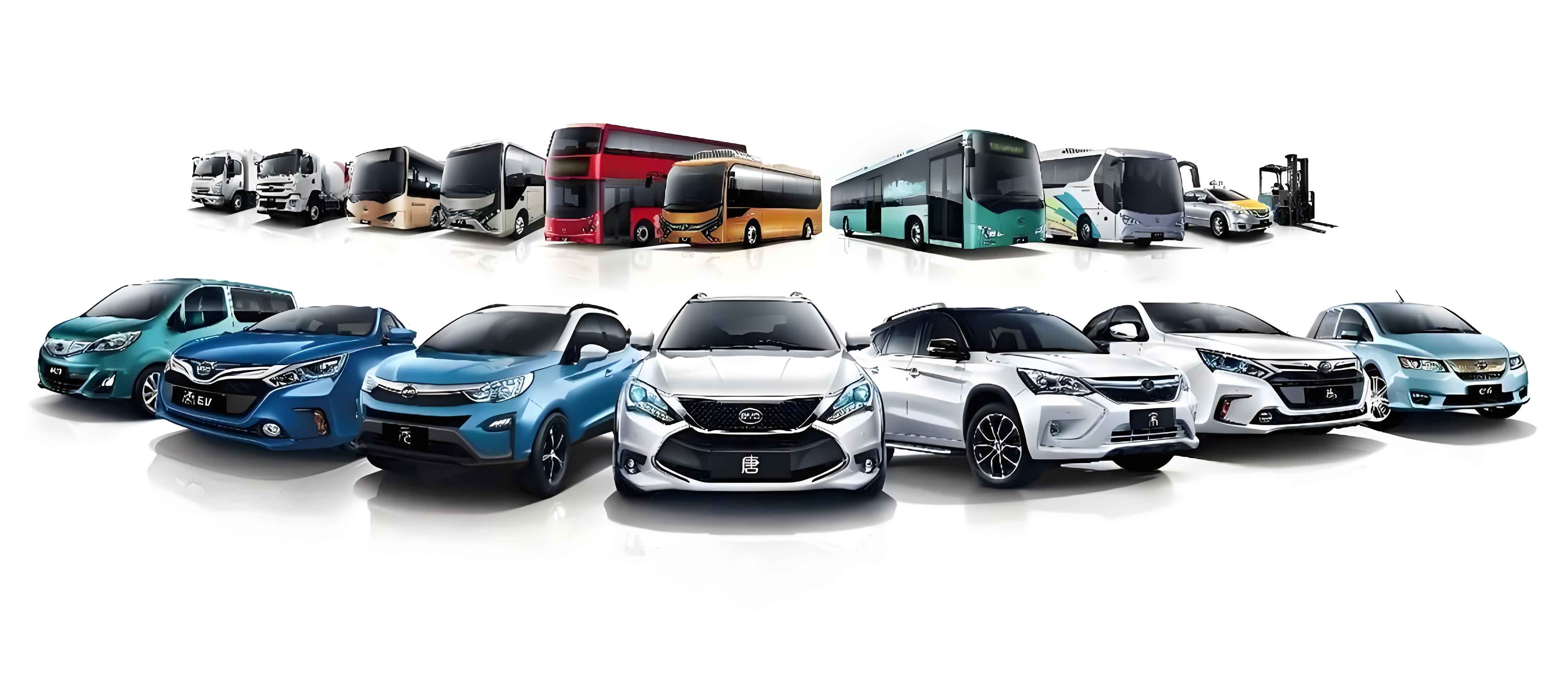
2. Why the Electric Vehicle and Hybrid Combination Is Gaining Ground
The convergence toward the electric vehicle and hybrid electric vehicle is not simply a reaction to short-term sales patterns. It is the result of several forces moving in the same direction. The first is consumer demand. The electric vehicle serves the daily commuting needs of urban users who value low energy costs, quiet operation, and intelligent features. The hybrid electric vehicle serves users who need long range, rapid refueling, and freedom from charging infrastructure. Together, they cover a much broader set of use cases than either technology could cover alone.
The second force is technical maturity. The electric vehicle has benefited from rapid improvements in batteries, electric drive systems, power electronics, thermal management, and vehicle software. The hybrid electric vehicle has benefited from advances in dedicated hybrid engines, electric motors, power-split systems, and control software. Both technologies are now entering a phase of cost reduction and performance refinement. The result is that the electric vehicle and the hybrid electric vehicle are no longer niche alternatives. They are mainstream engineering platforms.
The third force is policy and compliance. Automakers face increasingly strict fuel-economy and carbon-emission requirements. The electric vehicle contributes directly to zero-emission fleet targets. The hybrid electric vehicle offers a large reduction in fuel consumption and emissions compared with conventional combustion vehicles. By concentrating on these two routes, automakers can meet regulatory requirements more efficiently while still serving diverse consumer needs. The convergence therefore reflects both market demand and regulatory logic.
The fourth force is global market differentiation. Different regions are electrifying at different speeds. Some markets have mature charging networks and strong consumer acceptance of the electric vehicle. Others still depend heavily on fuel infrastructure and have limited charging coverage. A two-line strategy built around the electric vehicle and the hybrid electric vehicle allows automakers to address both types of markets without maintaining a fragmented portfolio of overlapping technologies.
| Market and Technology Indicator | Direction Described by Available Market Information | Implication for the Electric Vehicle and Hybrid Strategy |
|---|---|---|
| Battery electric vehicle share of new energy vehicle sales in July | More than 60 percent, with continued positive growth | Strengthens the electric vehicle as the dominant platform for urban and mainstream new energy demand |
| Plug-in hybrid vehicle sales, including extended-range models | Declines of varying degrees | Pushes plug-in products toward longer electric-only range or toward hybrid electric vehicle positioning |
| Hybrid electric vehicle sales | Rapid growth | Confirms strong consumer demand for fuel savings without charging dependence |
| 2026 purchase tax threshold for plug-in hybrid vehicles | Electric-only range requirement raised to 100 kilometers | Removes short-range plug-in products and accelerates technical upgrading |
| Upgraded plug-in hybrid direction | More than 200 kilometers of electric-only range and 800V platforms | Moves plug-in products closer to the electric vehicle concept |
| Electric vehicle drive motor maximum speed | 16,000 rpm in 2023, rising to about 22,000 rpm in mainstream applications | Improves response, smoothness, and system efficiency for the electric vehicle |
| Regenerative braking contribution in urban conditions | 10 to 15 percent improvement in driving range | Enhances the real-world efficiency advantage of the electric vehicle |
| Hybrid electric vehicle fuel economy versus comparable conventional vehicles | More than 50 percent improvement | Supports compliance, consumer savings, and the case for hybrid electric vehicles |
3. The Electric Vehicle’s Technical Lead Is Becoming Systemic
The advantages of the electric vehicle are no longer limited to zero tailpipe emissions. They are becoming systemic. The electric vehicle is moving ahead in electric drive efficiency, spatial architecture, structural modularity, and intelligent integration. These advantages reinforce one another. A more efficient electric drive system allows for a smaller battery or longer range. A more flexible platform allows for more interior space and better packaging. A more modular structure allows automakers to develop multiple models faster. A more integrated electronic and software architecture allows the electric vehicle to deliver advanced digital features and continuous updates.
Electric drive systems have improved rapidly. The maximum speed of mass-produced passenger vehicle electric motors has risen from 16,000 rpm in 2023 to about 22,000 rpm in mainstream applications. Higher motor speed contributes to better response, smoother operation, and improved power density. The electric vehicle also benefits from regenerative braking. In urban conditions, regenerative braking can improve driving range by 10 to 15 percent. The growing adoption of 800V high-voltage platforms reduces line losses and improves the overall efficiency of the electric drive system. Faster charging and lower thermal losses further strengthen the electric vehicle’s position in the mainstream market.
New electric vehicle platforms also redefine vehicle architecture. By redesigning the body structure around a flat battery pack and compact electric drive units, engineers can create more spacious interiors. The platform can reserve space for advanced sensors, computing hardware, and intelligent cabin features. These advantages are difficult for conventional fuel vehicles and many plug-in hybrid vehicles to match. The electric vehicle is therefore not only a different powertrain. It is a different way of designing and packaging a passenger vehicle.
- The electric vehicle benefits from higher electric motor speeds, with mainstream systems reaching about 22,000 rpm.
- The electric vehicle uses regenerative braking to improve urban range by 10 to 15 percent.
- The electric vehicle gains efficiency from 800V high-voltage platforms and lower line losses.
- The electric vehicle platform supports more spacious interiors and better integration of intelligent features.
- The electric vehicle is becoming a system-level product, not merely an alternative powertrain.
These technical developments explain why the electric vehicle is increasingly described as the dominant direction for passenger vehicles. The electric vehicle is not winning only because of policy support. It is winning because it offers a compelling combination of efficiency, packaging, performance, and digital capability. As costs continue to fall, the electric vehicle will become accessible to a wider group of consumers. That, in turn, will reinforce the market’s movement toward the electric vehicle and hybrid electric vehicle framework.
4. Hybrid Electric Vehicles Are No Longer a Transitional Footnote
The rise of domestic hybrid electric vehicle systems is one of the most important variables in the convergence. These systems have reduced fuel consumption to levels that conventional combustion vehicles cannot match, while avoiding dependence on charging infrastructure. That combination is particularly relevant in non-restricted cities, lower-tier markets, and regions where charging facilities are still limited. It also appeals to users who frequently drive long distances and do not want to plan around charging stops.
The hybrid electric vehicle offers a fuel-economy advantage of more than 50 percent compared with a conventional vehicle of the same class. That improvement serves two purposes. It helps automakers meet fuel-economy and carbon-reduction requirements. It also helps consumers reduce operating costs without changing their refueling habits. The hybrid electric vehicle therefore addresses both regulatory compliance and user economics. This is a central reason why hybrid electric vehicle sales have grown rapidly.
The hybrid electric vehicle should not be treated as a temporary bridge that will disappear as soon as charging infrastructure improves. In many markets, the hybrid electric vehicle will remain a mainstream choice for years. The electric vehicle will dominate where charging is convenient and daily driving distances are predictable. The hybrid electric vehicle will remain strong where charging is uneven, where long-distance travel is common, and where consumers prioritize convenience and affordability. The two technologies are complementary. Together, they form a more resilient market structure than a single-technology strategy.
The convergence toward the electric vehicle and hybrid electric vehicle also has implications for product planning. Automakers can concentrate on two core architectures rather than maintaining several overlapping routes. They can develop a scalable electric vehicle platform and a scalable hybrid electric vehicle platform. They can share components, software, and manufacturing processes where appropriate. They can reduce complexity in engineering, procurement, and certification. This does not mean that every model will be identical across markets. It means that the underlying technology logic will be more focused.
5. The EV and HEV Combination Expands the Meaning of Market Choice
Consumer choice is often described as a matter of preference. In the passenger vehicle market, however, choice is also a matter of infrastructure, geography, and use case. The electric vehicle is the best fit for users with reliable charging access and predictable daily routes. The hybrid electric vehicle is the best fit for users who need long range, rapid refueling, and freedom from charging planning. A market that offers both technologies gives consumers a broader range of practical options.
This is why the convergence toward the electric vehicle and hybrid electric vehicle is not a narrowing of choice. It is a clarification of choice. The electric vehicle represents the advanced, efficient, software-rich, zero-emission direction for urban and mainstream mobility. The hybrid electric vehicle represents the efficient, convenient, infrastructure-light direction for long-distance and charging-constrained use. Plug-in hybrid vehicles may continue to serve specific segments, especially as their electric-only range increases. Extended-range electric vehicles may also retain niche relevance. But the main architectural contest is increasingly between the electric vehicle and the hybrid electric vehicle.
| Technology Route | Primary Use Case | Charging Dependence | Market Role in the Emerging Framework |
|---|---|---|---|
| Battery electric vehicle | Urban commuting, daily use, increasingly mainstream passenger mobility | Requires external charging | Dominant electric vehicle platform and core direction for new energy passenger vehicles |
| Hybrid electric vehicle | Long-distance travel, charging-constrained regions, non-restricted cities, lower-tier markets | Does not require external charging | Core complementary route with strong fuel-economy and convenience advantages |
| Plug-in hybrid vehicle | Users seeking electric-only driving with backup fuel capability | Requires charging for full benefit | Moving toward longer electric-only range and higher-voltage systems, converging toward the electric vehicle |
| Extended-range electric vehicle | Users seeking electric drive with on-board generation | Depends on charging for regular electric operation | Facing structural adjustment as the market and policy environment evolve |
| Conventional fuel vehicle | Traditional long-distance and price-sensitive use | No charging requirement | Retreating from new-product investment as automakers shift toward the electric vehicle and hybrid electric vehicle |
The emerging framework therefore has a clear logic. The electric vehicle serves the electrified mainstream. The hybrid electric vehicle serves the infrastructure-light mainstream. Plug-in hybrid vehicles and extended-range electric vehicles may continue to exist, but their roles are being redefined. Conventional fuel vehicles are losing their position as the default choice. The passenger vehicle market is moving from a fragmented technology landscape toward a more focused structure built around the electric vehicle and the hybrid electric vehicle.
6. Convergence Strengthens the Case for Global Market Expansion
The convergence toward the electric vehicle and hybrid electric vehicle is not confined to the domestic market. It is becoming a source of competitive advantage for automakers seeking to expand globally. Global electrification is highly uneven. Some regions have mature charging infrastructure and strong consumer acceptance of the electric vehicle. Others have limited charging coverage and a large base of conventional fuel vehicle users. A two-line strategy allows automakers to address both conditions with fewer compromises.
In regions with well-developed charging infrastructure, the electric vehicle can compete directly in the mainstream market. Automakers with strong electric vehicle technology, cost control, and software capability can position their products around efficiency, intelligence, and lower operating costs. In regions where charging networks are still incomplete, the hybrid electric vehicle can fill a critical gap. It offers substantial fuel savings without requiring a charging network. It fits local refueling habits and does not demand a new infrastructure ecosystem. The hybrid electric vehicle therefore expands the addressable market for automakers that have developed competitive hybrid systems.
The strategic benefits extend beyond market coverage. A focused technology portfolio reduces research and development complexity. Maintaining multiple independent routes for the electric vehicle, plug-in hybrid vehicle, extended-range electric vehicle, and conventional vehicle requires dispersed engineering resources. It also increases the cost of compliance certification and local adaptation. By concentrating on the electric vehicle and hybrid electric vehicle, automakers can develop two common technology architectures and adapt them to different regional requirements. This can shorten product introduction cycles and lower development costs.
- The electric vehicle can target mature markets with strong charging infrastructure and high acceptance of electrified driving.
- The hybrid electric vehicle can target markets where charging coverage is limited and fuel infrastructure remains dominant.
- A two-line electric vehicle and hybrid electric vehicle strategy reduces the cost of maintaining multiple technology routes.
- Common architectures can shorten homologation, certification, and local adaptation cycles.
- Mature supply chains can help lower the manufacturing cost of export models.
The convergence also improves risk management. Automakers face trade measures such as anti-subsidy duties and tariff adjustments in different markets. A product portfolio built around the electric vehicle and hybrid electric vehicle allows companies to adjust their mix according to local demand and policy conditions. The electric vehicle can carry higher value in mature markets. The hybrid electric vehicle can serve fuel-vehicle replacement demand in markets where charging is less developed. Combined with local assembly through knockdown factories, this dual-line approach can help automakers navigate non-market barriers and reduce dependence on a single export category.
In this sense, the electric vehicle and hybrid electric vehicle framework is not merely a domestic product strategy. It is a global competitive strategy. It gives automakers a way to participate in different stages of the electrification transition at the same time. It allows them to serve markets that are ready for the electric vehicle and markets that still need the efficiency and convenience of the hybrid electric vehicle. That flexibility is valuable in a period when global electrification timelines vary widely.
7. Cost, Compliance, and Risk Management Drive the Two-Line Strategy
The convergence toward the electric vehicle and hybrid electric vehicle is also driven by cost and compliance. Developing a new vehicle platform is expensive. Developing multiple powertrain routes in parallel is even more expensive. Automakers must invest in batteries, electric motors, power electronics, thermal systems, software, manufacturing equipment, and supplier networks. They must also certify products for different markets and regulatory regimes. A focused strategy helps allocate capital more efficiently.
The electric vehicle requires investment in battery supply chains, charging compatibility, and high-voltage safety. The hybrid electric vehicle requires investment in dedicated engines, electric motors, transmissions, and control systems. These are different engineering challenges, but they can share software, testing, and manufacturing expertise. By treating the electric vehicle and hybrid electric vehicle as the two core routes, automakers can build deeper capabilities in each while avoiding the cost of maintaining too many overlapping technologies.
Compliance is another factor. Fuel-economy and carbon regulations are becoming more stringent in many markets. The electric vehicle contributes directly to zero-emission sales targets. The hybrid electric vehicle delivers large fuel savings and can help reduce fleet average consumption. Together, they provide a more balanced compliance pathway than relying on a single technology. The electric vehicle can lead in markets with strong policy support and charging infrastructure. The hybrid electric vehicle can support compliance in markets where full electrification is slower.
Risk management is equally important. Battery prices, charging infrastructure, trade policy, and consumer preferences can change. A portfolio that includes both the electric vehicle and hybrid electric vehicle is more resilient to these changes. If electric vehicle demand slows in a particular market, the hybrid electric vehicle can provide volume and revenue. If fuel prices rise or emissions rules tighten, the hybrid electric vehicle can capture demand for efficient vehicles. If charging infrastructure expands quickly, the electric vehicle can scale. The two routes are not competitors for the same exact use case. They are complementary tools for managing uncertainty.
8. What the Convergence Means for the Industrial Chain
The shift toward the electric vehicle and hybrid electric vehicle will reshape the industrial chain. Battery suppliers, electric motor manufacturers, power electronics companies, and software providers will see continued demand from the electric vehicle. Hybrid electric vehicle specialists will see demand for dedicated engines, electric drive units, transmissions, and control systems. Suppliers that serve conventional fuel vehicles will face pressure as new-product investment declines. The transition will be uneven across regions and product segments, but the direction is clear.
For automakers, the convergence means that product planning must become more disciplined. The electric vehicle platform must be designed for scale, efficiency, and software integration. The hybrid electric vehicle platform must be designed for fuel economy, cost, and reliability. Both must be adaptable to different market requirements. The companies that can develop these two platforms efficiently, localize production effectively, and manage supply-chain costs will be in a stronger position.
For consumers, the convergence is likely to bring more focused products. The electric vehicle will continue to improve in range, charging speed, interior space, and intelligent features. The hybrid electric vehicle will continue to improve in fuel economy, driving smoothness, and cost. Plug-in hybrid vehicles will move toward longer electric-only range or toward hybrid-like efficiency. Extended-range electric vehicles will adjust to changing policy and demand. The result will be a market with clearer choices rather than a confusing overlap of similar technologies.
For policymakers, the convergence suggests that infrastructure and technology neutrality matter. The electric vehicle needs continued charging investment, grid coordination, and battery standards. The hybrid electric vehicle needs predictable fuel-economy rules and a level playing field in taxation and regulation. A policy framework that supports both the electric vehicle and hybrid electric vehicle can accelerate efficiency improvements while allowing consumers in different regions to choose the technology that fits their circumstances.
9. The Road Ahead: A More Mature Electric Vehicle Market
The passenger vehicle market is entering a more mature phase of electrification. The electric vehicle is no longer a speculative technology. It is a mainstream product with rapidly improving performance, declining costs, and expanding charging access. The hybrid electric vehicle is no longer a marginal option. It is a high-efficiency solution for users who need convenience and long range. The combination of the electric vehicle and hybrid electric vehicle offers a practical path toward lower emissions and lower operating costs without forcing every consumer into the same use pattern.
The convergence toward the electric vehicle and hybrid electric vehicle will not happen overnight. It will vary by region, segment, and brand. Some automakers will move faster than others. Some markets will adopt the electric vehicle more quickly. Some will rely on the hybrid electric vehicle for longer. But the strategic direction is becoming clearer. The electric vehicle will dominate where charging is convenient and policy support is strong. The hybrid electric vehicle will remain essential where infrastructure is uneven and long-distance travel is common. Together, they will define the mainstream passenger vehicle market.
The most important lesson is that technology convergence is not a retreat from innovation. It is a reallocation of innovation toward the two routes with the broadest consumer base. The electric vehicle will continue to push the boundaries of efficiency, software, and vehicle architecture. The hybrid electric vehicle will continue to push the boundaries of combustion efficiency, electrified control, and cost. The competition between these two routes, and the competition among automakers within each route, will drive further progress.
In the end, the passenger vehicle industry is moving toward a clearer structure. The electric vehicle and the hybrid electric vehicle are becoming the two main technology pillars. Conventional fuel vehicles are retreating from new-product development. Plug-in hybrid vehicles are being pushed toward longer electric-only range or toward hybrid-like efficiency. Extended-range electric vehicles are entering a period of adjustment. The market is converging, and that convergence is likely to produce a more resilient, more efficient, and more globally competitive passenger vehicle industry.