
Customs data released on September 18 showed that Hunan exported 219,000 automobiles in the first eight months of 2026, an increase of 62.5 percent year on year, with the growth rate reaching a new high. The export value totaled RMB 27.96 billion, up 30.7 percent, accounting for 12.6 percent of the province’s total export value over the same period. The figures present a clear picture of an automobile export sector that is expanding in both volume and value, while electric vehicle exports continue to occupy a central place in the province’s automobile export structure.
The latest data also show that electric vehicle exports from Hunan maintained strong momentum during the January-August period. Hunan exported 92,367 electric vehicles, an increase of 53.4 percent year on year. These electric vehicle exports accounted for 42.1 percent of the province’s total automobile export volume. In value terms, electric vehicle exports reached RMB 9.75 billion, up 21.4 percent, representing 34.9 percent of the province’s total automobile export value. The electric vehicle share of automobile exports therefore remained substantial both by volume and by value, even as the overall automobile export base expanded rapidly.
The export performance is notable because it combines scale and diversification. Total automobile exports rose at a faster pace than electric vehicle exports by volume, while electric vehicle exports continued to account for more than two-fifths of all automobile export volume. At the same time, electric vehicle export value represented more than one-third of total automobile export value. The data indicate that electric vehicle exports are not a marginal segment of Hunan’s automobile trade but a major component of the province’s export profile.
1. Overall Export Performance
Hunan’s automobile exports reached 219,000 vehicles in the first eight months of 2026, up 62.5 percent from the same period a year earlier. The growth rate was described as a new high for the year to date. The total export value of automobiles reached RMB 27.96 billion, an increase of 30.7 percent. Automobile exports accounted for 12.6 percent of Hunan’s total export value during the period, underscoring the importance of the automobile sector in the province’s overall export performance.
The overall figures include conventional automobiles as well as electric vehicle exports. The electric vehicle segment alone reached 92,367 vehicles and RMB 9.75 billion in value. Within the electric vehicle category, passenger vehicles accounted for more than 80 percent of export volume. Pure electric buses with 10 seats or more recorded export value of RMB 280 million, an increase of 177.2 percent. These details show that the electric vehicle export mix extends beyond passenger cars and includes a fast-growing bus segment.
The data also reveal a difference between volume growth and value growth. Total automobile export volume rose 62.5 percent, while total automobile export value rose 30.7 percent. Electric vehicle export volume rose 53.4 percent, while electric vehicle export value rose 21.4 percent. The figures suggest that export volumes expanded more quickly than export value in both the overall automobile category and the electric vehicle category. This pattern is an important feature of the latest export data and points to changes in product mix, market mix, and price positioning across the province’s automobile exports.
- Total automobile exports: 219,000 vehicles, up 62.5 percent year on year.
- Total automobile export value: RMB 27.96 billion, up 30.7 percent.
- Share of Hunan’s total export value: 12.6 percent.
- Electric vehicle exports: 92,367 vehicles, up 53.4 percent.
- Electric vehicle export value: RMB 9.75 billion, up 21.4 percent.
- Electric vehicle share of automobile export volume: 42.1 percent.
- Electric vehicle share of automobile export value: 34.9 percent.
- Passenger vehicle share within electric vehicle exports: more than 80 percent of volume.
- Pure electric bus export value: RMB 280 million, up 177.2 percent.
| Indicator | Volume | Value | Reported change | Share or note |
|---|---|---|---|---|
| Total automobile exports | 219,000 vehicles | RMB 27.96 billion | Volume up 62.5 percent; value up 30.7 percent | 12.6 percent of Hunan’s total export value |
| Electric vehicle exports | 92,367 vehicles | RMB 9.75 billion | Volume up 53.4 percent; value up 21.4 percent | 42.1 percent of automobile export volume; 34.9 percent of automobile export value |
| Passenger vehicles within electric vehicle exports | More than 80 percent of electric vehicle export volume | Not separately reported | Not separately reported | Dominant segment within electric vehicle exports |
| Pure electric buses with 10 seats or more | Not separately reported | RMB 280 million | Value up 177.2 percent | Fast-growing electric vehicle bus segment |
| Belarus | 47,818 vehicles | Not separately reported | Up 185.6 percent | Largest export market by volume |
| Malaysia | 44,958 vehicles | Not separately reported | Up 125.8 percent | Second-largest export market by volume |
| Russia | 19,581 vehicles | Not separately reported | Up 536.4 percent | Third-largest export market by volume |
| Armenia | Not separately reported | Not separately reported | Up 25.6 times | Fast-growing market |
| Cambodia | Not separately reported | Not separately reported | Up 8.7 times | Fast-growing market |
| Egypt | Not separately reported | Not separately reported | Up 4 times | Fast-growing market and destination for electric vehicle shipments |
| Changsha and Xiangtan combined | Not separately reported | 86.4 percent of Hunan automobile export value | Not separately reported | Core export cluster |
| Huaihua | 20,142 vehicles | RMB 1.71 billion | Volume up 217.9 times; value up 126.5 times | Rapid export growth from a smaller base |
2. Electric Vehicle Export Momentum
The electric vehicle export performance is one of the most closely watched elements of Hunan’s automobile trade data. In the first eight months of 2026, electric vehicle exports reached 92,367 vehicles, an increase of 53.4 percent. The electric vehicle share of total automobile export volume reached 42.1 percent, meaning that more than two out of every five automobiles exported from Hunan were electric vehicles. This is a significant concentration for a single product category within the broader automobile export basket.
Electric vehicle export value reached RMB 9.75 billion, an increase of 21.4 percent. The electric vehicle share of total automobile export value stood at 34.9 percent. The value share was lower than the volume share, a pattern that suggests the electric vehicle export mix includes a strong volume of vehicles at relatively accessible price points. At the same time, the electric vehicle segment continued to generate more than one-third of total automobile export value, confirming its importance to the province’s export earnings.
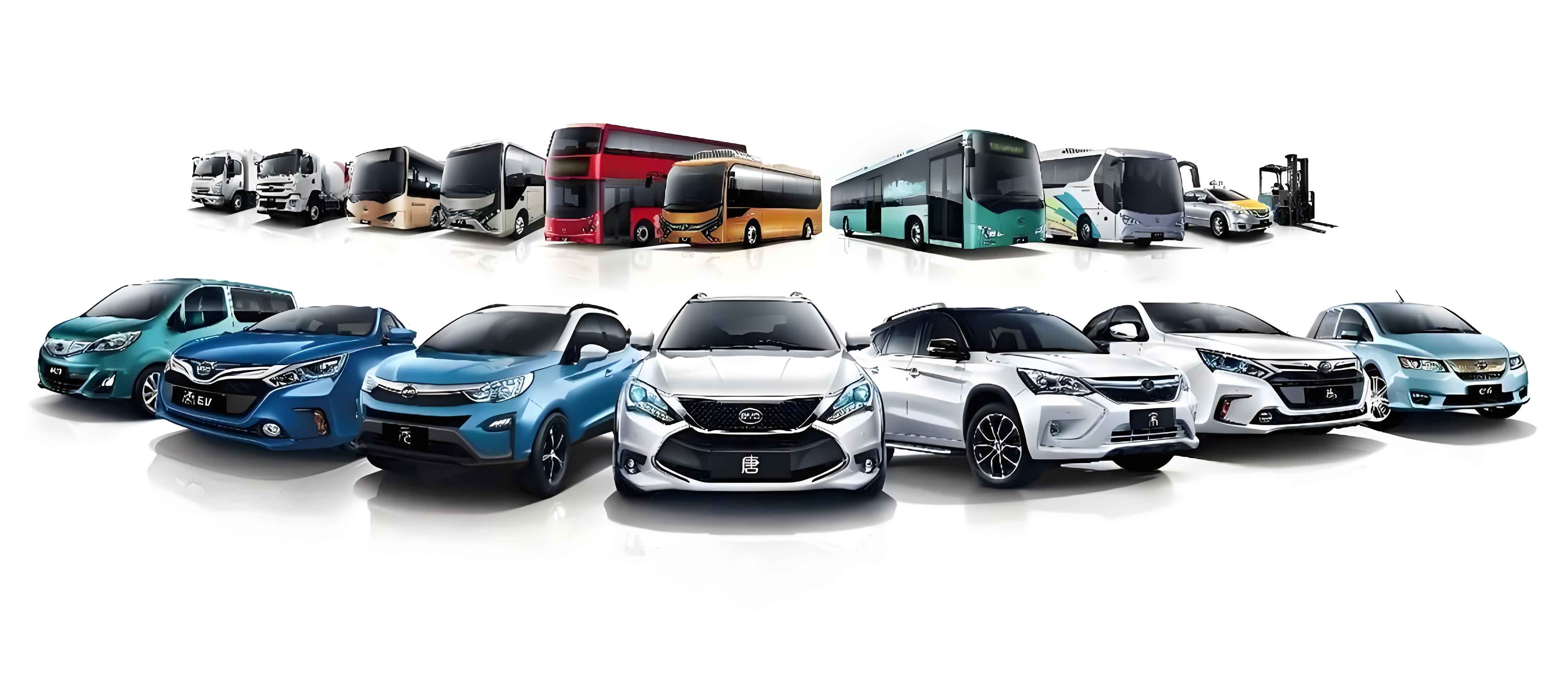
Overseas demand for electric vehicles remained strong during the period. The data show that electric vehicle exports from Hunan continued to grow and that the electric vehicle category remained a major driver of the province’s automobile export expansion. The strong electric vehicle export performance was supported by shipments from major manufacturing bases in the province, including Changsha and Xiangtan. The electric vehicle export story is therefore closely connected to the province’s industrial capacity, logistics infrastructure, and market access.
Within the electric vehicle category, passenger vehicles accounted for more than 80 percent of export volume. This indicates that passenger electric vehicles formed the backbone of Hunan’s electric vehicle export activity. The prominence of passenger electric vehicles also helps explain the scale of electric vehicle export volume. At the same time, pure electric buses with 10 seats or more recorded export value of RMB 280 million, up 177.2 percent. The bus segment is smaller in value terms than the passenger vehicle segment, but its rapid growth adds diversity to the electric vehicle export portfolio.
The electric vehicle export figures also show that Hunan is participating in multiple segments of the global electric vehicle market. Passenger electric vehicles serve mass-market and mid-market demand, while electric buses serve public transport and fleet demand. The coexistence of these segments is important because it broadens the province’s electric vehicle export base. The electric vehicle export data therefore reflect both scale in passenger vehicles and rapid growth in specialized electric vehicle categories.
The electric vehicle export performance should be viewed alongside the overall automobile export figures. Total automobile exports rose 62.5 percent by volume and 30.7 percent by value. Electric vehicle exports rose 53.4 percent by volume and 21.4 percent by value. The electric vehicle segment therefore grew more slowly than the overall automobile export volume in percentage terms, but it remained large enough to shape the province’s total export profile. The electric vehicle share of 42.1 percent by volume and 34.9 percent by value shows that electric vehicle exports are a core part of Hunan’s automobile trade rather than a supplementary category.
3. Leading Markets and Fast-Growing Destinations
Belarus, Malaysia, and Russia were the top three export markets for Hunan automobiles in the first eight months of 2026. Hunan exported 47,818 automobiles to Belarus, an increase of 185.6 percent. Exports to Malaysia reached 44,958 vehicles, up 125.8 percent. Exports to Russia reached 19,581 vehicles, up 536.4 percent. These three markets accounted for a significant portion of the province’s automobile export volume and demonstrated strong growth across different destination regions.
The market distribution shows that Hunan’s automobile exports, including electric vehicle exports, are reaching a diverse set of destinations. Belarus ranked first by volume, followed by Malaysia and Russia. The growth rates in these markets were substantial. Belarus recorded an increase of 185.6 percent, Malaysia recorded an increase of 125.8 percent, and Russia recorded an increase of 536.4 percent. The Russian market, in particular, recorded one of the highest growth rates among the leading destinations.
Beyond the top three markets, several other destinations recorded rapid growth. Exports to Armenia increased by 25.6 times. Exports to Cambodia increased by 8.7 times. Exports to Egypt increased by 4 times. These markets are smaller in absolute volume than the leading three destinations, but their growth rates indicate broadening market coverage for Hunan’s automobile exports. The presence of fast-growing markets across different regions also suggests that electric vehicle exports and conventional automobile exports are finding buyers in a wider range of countries.
- Belarus: 47,818 vehicles, up 185.6 percent, the largest market by volume.
- Malaysia: 44,958 vehicles, up 125.8 percent, the second-largest market by volume.
- Russia: 19,581 vehicles, up 536.4 percent, the third-largest market by volume.
- Armenia: exports up 25.6 times, a fast-growing destination.
- Cambodia: exports up 8.7 times, a fast-growing destination.
- Egypt: exports up 4 times, a fast-growing destination and a market linked to electric vehicle shipments.
The Egypt market is particularly relevant to the electric vehicle export narrative. A recent shipment of 235 Geely new energy vehicles departed from the Xiangtan Comprehensive Bonded Zone for Egypt under the split declaration and consolidated reporting model. The shipment illustrates how electric vehicle exports from Hunan are being organized through bonded zone logistics and consolidated customs procedures. It also shows that Egypt is not only a fast-growing automobile market but also a destination connected to the province’s electric vehicle export activity.
The market data do not provide a full breakdown of electric vehicle exports by destination, but the overall automobile market figures show where Hunan’s vehicles are going. The combination of large markets such as Belarus, Malaysia, and Russia with fast-growing markets such as Armenia, Cambodia, and Egypt gives Hunan’s automobile exports a broad geographic base. For electric vehicle exports, this broad base is important because it reduces dependence on a single market and supports sustained export growth.
4. City-Level Export Concentration
Changsha and Xiangtan together accounted for 86.4 percent of Hunan’s total automobile export value. The concentration of automobile export value in these two cities highlights the role of their manufacturing and export clusters. Changsha and Xiangtan are central to the province’s automobile export performance, and their combined share shows that the province’s automobile export value is heavily concentrated in these two industrial bases.
Changsha’s export performance was supported by BYD, with new energy passenger vehicle export value leading the province. The city’s electric vehicle export activity is therefore closely linked to new energy passenger vehicle production and export. Xiangtan ranked first in the province in Geely vehicle export volume. The city’s export strength is reflected in the large volume of Geely vehicles shipped abroad, including the 235 Geely new energy vehicles sent to Egypt from the Xiangtan Comprehensive Bonded Zone.
The city-level data also show that export growth is not limited to the two largest clusters. Huaihua exported 20,142 vehicles, an increase of 217.9 times. The export value from Huaihua reached RMB 1.71 billion, an increase of 126.5 times. Although Huaihua’s export base was smaller, its growth rates were exceptionally high. This indicates that automobile exports are expanding beyond the traditional core cities and that new export nodes are emerging within the province.
- Changsha and Xiangtan combined: 86.4 percent of Hunan’s automobile export value.
- Changsha: BYD-supported new energy passenger vehicle export value led the province.
- Xiangtan: Geely vehicle export volume ranked first in the province.
- Huaihua: 20,142 vehicles exported, up 217.9 times; export value RMB 1.71 billion, up 126.5 times.
The concentration of export value in Changsha and Xiangtan does not mean that other cities are inactive. Huaihua’s rapid growth shows that automobile exports are spreading to other parts of the province. The combination of a concentrated core and emerging export nodes is a notable feature of Hunan’s automobile export geography. For electric vehicle exports, the core clusters in Changsha and Xiangtan provide the industrial scale and logistics capacity needed to serve overseas markets, while emerging nodes add further growth potential.
The city-level figures also help explain the structure of the province’s automobile export data. Changsha’s strength in new energy passenger vehicle export value and Xiangtan’s strength in Geely vehicle export volume reflect different aspects of the province’s automobile export capacity. Changsha is associated with value leadership in new energy passenger vehicles, while Xiangtan is associated with volume leadership in Geely vehicle exports. Together, these two cities form the backbone of Hunan’s automobile export performance and support the province’s electric vehicle export expansion.
5. Logistics, Manufacturing, and the Xiangtan Shipment
The shipment of 235 Geely new energy vehicles from the Xiangtan Comprehensive Bonded Zone to Egypt provides a concrete example of how Hunan’s electric vehicle exports are moving through the supply chain. The vehicles were exported under the split declaration and consolidated reporting model. This model allows vehicles to be consolidated for shipment while customs procedures are handled efficiently. The shipment reflects the role of the Xiangtan Comprehensive Bonded Zone in supporting electric vehicle exports and connecting local manufacturing with overseas markets.
The logistics arrangement is important because electric vehicle exports require coordinated handling from production to shipment. The Xiangtan Comprehensive Bonded Zone provides a base for consolidation and export processing. The split declaration and consolidated reporting model supports the movement of vehicles in batches while maintaining customs oversight. The shipment to Egypt shows that Hunan’s electric vehicle exports are not only growing in volume but are also supported by practical logistics arrangements that connect manufacturing centers with distant markets.
Manufacturing capacity in Changsha and Xiangtan underpins the province’s automobile export performance. Changsha’s BYD-related new energy passenger vehicle export value led the province, while Xiangtan’s Geely vehicle export volume ranked first. These manufacturing and export clusters provide the product base for both conventional automobile exports and electric vehicle exports. The presence of major automobile manufacturers and export-oriented logistics infrastructure helps explain the scale and growth of Hunan’s automobile exports.
The Xiangtan shipment also illustrates the connection between electric vehicle exports and market demand in Africa. Egypt was among the fast-growing markets for Hunan automobile exports, with exports up 4 times. The shipment of 235 Geely new energy vehicles to Egypt shows that electric vehicle exports are part of this market growth. The combination of strong overseas electric vehicle demand and local logistics capacity supports the continued expansion of electric vehicle exports from Hunan.
The logistics and manufacturing picture also highlights the importance of coordination among manufacturers, bonded zones, and customs authorities. Electric vehicle exports require reliable scheduling, vehicle handling, and documentation. The split declaration and consolidated reporting model is one example of how these requirements are being managed. As electric vehicle exports continue to grow, the efficiency of these logistics arrangements will remain important to the province’s automobile export performance.
6. Product Mix and Value Trends
The product mix within Hunan’s electric vehicle exports shows a strong passenger vehicle orientation. Passenger vehicles accounted for more than 80 percent of electric vehicle export volume. This means that passenger electric vehicles are the main driver of the electric vehicle export volume. The dominance of passenger vehicles is consistent with the scale of new energy passenger vehicle production in Changsha and the export activity linked to BYD.
At the same time, pure electric buses with 10 seats or more recorded export value of RMB 280 million, up 177.2 percent. The bus segment is smaller than the passenger vehicle segment, but its growth rate is high. The bus segment adds product diversity to the electric vehicle export mix and serves different types of overseas demand. Electric buses are used in public transport and fleet operations, while passenger electric vehicles serve private and commercial mobility demand.
The value data show that electric vehicle export value reached RMB 9.75 billion, up 21.4 percent. The electric vehicle share of total automobile export value was 34.9 percent. The difference between the electric vehicle volume share of 42.1 percent and the value share of 34.9 percent suggests that electric vehicle exports are weighted toward higher-volume, relatively lower-value models compared with the overall automobile export mix. This is a structural feature of the current export data and an important consideration for understanding the province’s automobile export value trends.
The overall automobile export value reached RMB 27.96 billion, up 30.7 percent. Total automobile export volume reached 219,000 vehicles, up 62.5 percent. The gap between volume growth and value growth indicates that the average export value per vehicle may have declined, although the data do not provide a direct average value calculation. The pattern is consistent across the overall automobile category and the electric vehicle category, where volume growth also exceeded value growth. These trends suggest that export expansion is being driven by higher volumes and a changing product and market mix.
The product mix also includes new energy passenger vehicles and pure electric buses. The term new energy passenger vehicle is used in the data to describe the passenger vehicle segment associated with companies such as BYD. The electric vehicle export category includes these vehicles and other electric models. The combination of passenger electric vehicles and electric buses gives Hunan a diversified electric vehicle export portfolio and supports the province’s position in different segments of the global electric vehicle market.
7. What the Data Show About Export Structure
The latest data show that Hunan’s automobile exports are expanding rapidly and that electric vehicle exports are a major part of that expansion. Total automobile exports rose 62.5 percent by volume and 30.7 percent by value. Electric vehicle exports rose 53.4 percent by volume and 21.4 percent by value. The electric vehicle share of automobile export volume reached 42.1 percent, while the electric vehicle share of automobile export value reached 34.9 percent. These figures place electric vehicle exports at the center of Hunan’s automobile export structure.
The market structure is also notable. Belarus, Malaysia, and Russia were the top three markets by volume, with growth rates of 185.6 percent, 125.8 percent, and 536.4 percent respectively. Armenia, Cambodia, and Egypt recorded rapid growth, with increases of 25.6 times, 8.7 times, and 4 times respectively. The combination of large markets and fast-growing markets gives Hunan’s automobile exports a broad geographic reach. For electric vehicle exports, this broad reach supports market diversification and reduces reliance on a single destination.
The city-level structure shows a strong concentration in Changsha and Xiangtan, which together accounted for 86.4 percent of automobile export value. Changsha’s new energy passenger vehicle export value was supported by BYD, while Xiangtan’s Geely vehicle export volume ranked first in the province. Huaihua emerged as a fast-growing export node, with 20,142 vehicles exported and export value of RMB 1.71 billion. The combination of concentrated core clusters and emerging export nodes is an important feature of the province’s automobile export geography.
The product structure shows that passenger vehicles dominate electric vehicle export volume, accounting for more than 80 percent. Pure electric buses with 10 seats or more recorded export value of RMB 280 million, up 177.2 percent. The electric vehicle export mix therefore combines a high-volume passenger vehicle segment with a fast-growing bus segment. This mix supports the province’s ability to serve different overseas markets and different categories of electric vehicle demand.
The logistics structure is illustrated by the shipment of 235 Geely new energy vehicles from the Xiangtan Comprehensive Bonded Zone to Egypt under the split declaration and consolidated reporting model. The shipment shows how electric vehicle exports are being organized through bonded zone facilities and consolidated customs procedures. It also shows that electric vehicle exports from Hunan are reaching markets in Africa as well as markets in Europe and Asia. The logistics arrangement supports the practical movement of electric vehicle exports from production centers to overseas buyers.
8. Key Takeaways
- Hunan exported 219,000 automobiles in the first eight months of 2026, up 62.5 percent year on year.
- Automobile export value reached RMB 27.96 billion, up 30.7 percent, or 12.6 percent of the province’s total export value.
- Electric vehicle exports reached 92,367 vehicles, up 53.4 percent, and accounted for 42.1 percent of automobile export volume.
- Electric vehicle export value reached RMB 9.75 billion, up 21.4 percent, and accounted for 34.9 percent of automobile export value.
- Passenger vehicles accounted for more than 80 percent of electric vehicle export volume.
- Pure electric buses with 10 seats or more recorded export value of RMB 280 million, up 177.2 percent.
- Belarus, Malaysia, and Russia were the top three export markets by volume, with 47,818 vehicles, 44,958 vehicles, and 19,581 vehicles respectively.
- Armenia, Cambodia, and Egypt were fast-growing markets, with exports up 25.6 times, 8.7 times, and 4 times respectively.
- Changsha and Xiangtan combined accounted for 86.4 percent of Hunan’s automobile export value.
- Changsha’s new energy passenger vehicle export value led the province with BYD support, while Xiangtan’s Geely vehicle export volume ranked first.
- Huaihua exported 20,142 vehicles, up 217.9 times, with export value of RMB 1.71 billion, up 126.5 times.
- A shipment of 235 Geely new energy vehicles departed from the Xiangtan Comprehensive Bonded Zone for Egypt under the split declaration and consolidated reporting model.
The latest customs data present a detailed picture of Hunan’s automobile export performance. The province exported more automobiles by volume and value, and electric vehicle exports continued to grow in both dimensions. The electric vehicle segment remained large enough to account for more than two-fifths of automobile export volume and more than one-third of automobile export value. At the same time, the market and city-level data show that Hunan’s automobile exports are reaching a diverse set of destinations and are supported by concentrated industrial clusters in Changsha and Xiangtan as well as emerging export nodes such as Huaihua.
The data also show that electric vehicle exports are supported by a product mix that includes passenger vehicles and pure electric buses. Passenger vehicles dominate electric vehicle export volume, while pure electric buses are growing rapidly in value terms. The shipment of 235 Geely new energy vehicles to Egypt under the split declaration and consolidated reporting model illustrates how electric vehicle exports are being organized through the Xiangtan Comprehensive Bonded Zone. The combination of manufacturing capacity, logistics infrastructure, and market demand provides the basis for the continued expansion of electric vehicle exports from Hunan.
Overall, the first eight months of 2026 show that Hunan’s automobile exports are growing strongly and that electric vehicle exports are a major component of that growth. The electric vehicle export figures, the market distribution, the city-level concentration, and the product mix all point to an automobile export sector that is expanding in scale and diversity. The data also show that electric vehicle exports are not isolated from the broader automobile export performance but are embedded within it. The performance of electric vehicle exports will therefore remain central to any assessment of Hunan’s automobile export trends.