
A freight train carrying 31 tons of lead-acid power battery products in a 40-foot container has departed from a dedicated railway line in Kaili and is heading to Changping Station in Guangdong, marking the first time that Guizhou-made battery products have been dispatched by rail. The shipment is modest in volume, but it represents a significant step in the development of a new logistics option for industrial products from Guizhou, and it places the power battery supply chain at the center of a broader effort to improve transport reliability and flexibility.
The power battery products were produced by the Tianneng Group Guizhou Base in the Taijiang Economic Development Zone of Qiandongnan Prefecture. The base serves markets in Southwest and South China, and the first rail shipment is designed to test a road-rail intermodal model that can support future volumes. According to the Guiyang Railway Logistics Center, the shipment demonstrates how a tailored logistics solution can connect factory operations, railway trunk lines, and last-mile delivery for power battery products and other industrial goods.
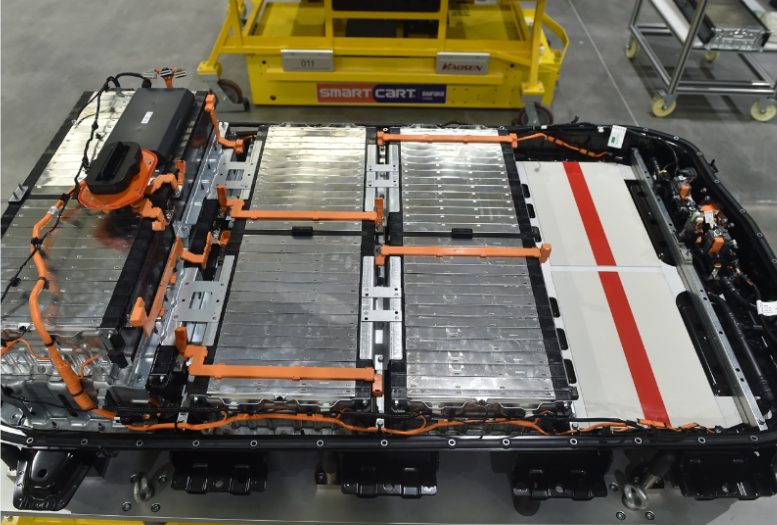
- First rail shipment establishes a new route for Guizhou-made power battery products
The first rail dispatch of Guizhou-made lead-acid power battery products is a small but meaningful beginning. A single 40-foot container carrying 31 tons of power battery products left the Kaili dedicated railway line and began its journey to Changping Station in Guangdong. The shipment is the first of its kind for Guizhou-made battery products, and it adds rail to the logistics options available to manufacturers in the region.
Although the volume of the first shipment is limited, the operational significance is substantial. The movement of power battery products by rail required coordination among the manufacturer, the railway logistics center, short-haul transport providers, and last-mile delivery partners. Each link in the chain had to be aligned so that the power battery products could move from the factory to the railway line and then onward to Guangdong without losing time or creating unnecessary handling risks.
The power battery products are manufactured by the Tianneng Group Guizhou Base in the Taijiang Economic Development Zone of Qiandongnan Prefecture. The base primarily serves markets in Southwest and South China, and Guangdong is an important destination for its products. The first rail shipment therefore tested a route that connects production in Guizhou with demand in Guangdong while introducing a new mode of transport for power battery products made in the province.
The shipment also reflects a wider change in how industrial products from Guizhou are being moved. For years, many products depended heavily on road transport. The first rail shipment of power battery products shows that rail can be part of the solution when logistics providers design a service around the specific needs of a manufacturer and the physical characteristics of the cargo.
- Tailored road-rail intermodal plan responds to reliability concerns
Before the first rail shipment, the company sent goods to Guangdong entirely by road. That model exposed the power battery supply chain to a range of uncontrollable factors. During the rainy season, road closures could disrupt schedules. Long-distance road transport involved sustained vibration, which created concerns about cargo condition. During peak seasons, traffic congestion could further destabilize delivery times. For a manufacturer of power battery products, those uncertainties affected both transport timeliness and cargo loss control.
The Guiyang Railway Logistics Center designed a road-rail intermodal solution to address those pain points. The plan was not simply a rail booking. It was a full-chain arrangement covering factory short-haul, railway trunk line, and last-mile delivery. The first shipment served as a validation of that arrangement, allowing the parties to observe how the power battery products moved through each stage and how the handovers between road and rail performed in practice.
The service model is built around a single point of responsibility for the shipper. The company can make a one-time entrustment, and the railway logistics center provides a door-to-station service. In the first shipment, the Qiandongnan Prefecture Logistics Group moved the power battery products from the factory to the Kaili dedicated railway line. The railway department then applied loading and securing standards suited to the battery products and arranged the container for the trunk journey. After the train arrived at the relevant Guangdong station, a partner logistics company completed the last-mile delivery.
For the manufacturer, the appeal of the road-rail plan lies in its ability to reduce exposure to the road-only risks that had affected previous shipments. The power battery products still rely on road transport for the short-haul and final delivery segments, but the long-distance trunk movement can now use rail. That combination is designed to bring greater stability to the power battery logistics chain while preserving the flexibility needed to reach customers in Guangdong.
- End-to-end chain links factory, rail trunk line, and last-mile delivery
The first power battery shipment followed a carefully sequenced chain. The power battery products were loaded at the factory and moved by the Qiandongnan Prefecture Logistics Group to the Kaili dedicated railway line. The short-haul segment connected the production site to the rail network. The railway trunk line then carried the container toward Guangdong. After arrival, a partner logistics company handled the final delivery to the destination.
The arrangement is described as one-time entrustment and one-container-through service. That means the shipper does not have to coordinate separate contracts for each segment of the journey. The railway logistics center organizes the chain so that the power battery products move from the factory to the station and then to the final delivery point under a unified service structure. For a manufacturer seeking predictable logistics for power battery products, that single point of coordination can reduce administrative complexity and improve visibility across the shipment.
The first shipment also tested the handover points that are critical in any road-rail movement. The factory short-haul must connect smoothly with rail loading. The container must be prepared and secured according to the relevant standards. The trunk journey must align with terminal handling and last-mile delivery. Each of these steps matters for power battery products because the cargo must be protected throughout the journey and because timing at each handover affects the overall reliability of the service.
The road-rail model does not remove road transport from the power battery supply chain. Instead, it reallocates the long-distance portion to rail and uses road transport where it is most effective: moving goods from the factory to the rail line and from the destination station to the customer. That division of labor is central to the first power battery shipment and to the broader effort to develop road-rail intermodal transport for Guizhou industrial products.
- Container selection and safety planning reflect power battery handling requirements
The railway department selected a 40-foot, 35-ton general-purpose container for the first power battery shipment. The choice was made in accordance with the physical characteristics of the battery products and the safety loading standards that apply to the cargo. A dedicated loading and securing plan was also developed for the shipment, reflecting the need to protect the power battery products during rail movement and during the handovers between road and rail.
Safety planning is especially important for power battery logistics because the shipment must be handled consistently from the factory to the final destination. The first shipment was not treated as a routine container movement. It was organized as a validation exercise that brought together container selection, loading and securing arrangements, and coordination among the parties responsible for each segment. The power battery products were therefore moved within a framework designed to address both transport efficiency and cargo protection.
The use of a general-purpose container also reflects the practical requirements of the route. The container had to be suitable for the rail trunk line and compatible with the short-haul and last-mile arrangements. By matching the container to the power battery products and the transport chain, the logistics center sought to ensure that the first shipment could serve as a reliable reference for future movements.
The first power battery shipment is expected to provide operational experience for later volumes. The loading and securing plan, the container selection, and the handover procedures will all inform how the service is refined. Because the shipment was a first validation, the experience gained from moving 31 tons of power battery products is as important as the volume itself. It gives the parties involved a practical basis for improving safety and efficiency as the route moves toward regular operation.
- Transparent package pricing and normalized operations point to cost savings
The road-rail solution uses whole-journey package pricing, providing the manufacturer with a transparent and stable comprehensive quotation. That pricing approach is intended to make the cost structure of the power battery shipment clearer and to reduce uncertainty for the shipper. Instead of separating the cost of short-haul transport, rail trunk movement, and last-mile delivery into isolated components, the service presents a combined package for the journey.
According to the Guiyang Railway Logistics Center, the model is expected to reach a stable monthly shipment volume of 2,000 tons once it enters normalized operation. By the end of the year, it is expected to save the company about CNY 100,000 in transport costs. The first 31-ton power battery shipment is a trial that will help accumulate practical data and safety experience for the larger volumes expected later.
The expected cost savings are linked to the shift in the long-distance segment. By using rail for the trunk movement and road for the short-haul and last-mile segments, the model seeks to combine the strengths of both modes. For the manufacturer, the package price offers a stable reference for planning power battery deliveries. For the logistics provider, the first shipment provides a basis for refining the service before scaling it up.
The transition from a single trial to normalized operation will depend on operational learning. The first power battery shipment tested the chain from factory to station and onward to Guangdong. The next stage is to apply the experience gained from that trial to regular movements. The expected monthly volume of 2,000 tons and the projected cost savings by the end of the year indicate that the model is intended to move beyond a one-off demonstration and become a practical logistics option for power battery products.
- Multi-node destination network adds flexibility for power battery supply chains
The railway channel does not end at a single destination station. Its terminal network covers more than 10 quality logistics nodes, including Guangzhou International Port, Dongguan East, Changping, and Jiangmen. That breadth gives the manufacturer flexibility in choosing where to unload power battery products based on order flows. The first shipment to Changping Station is therefore part of a wider destination network rather than an isolated route.
For power battery products, destination flexibility can improve supply chain responsiveness. Customers may be located in different parts of Guangdong, and order patterns may vary. A network that includes multiple logistics nodes allows the manufacturer to select a suitable unloading point and adjust the final delivery arrangement accordingly. The first power battery shipment demonstrates how the rail trunk line can connect with a broader set of destinations in the receiving region.
The multi-node approach also supports the development of the power battery logistics model over time. As volumes grow, the ability to route shipments through different nodes can help the manufacturer respond to changes in demand and distribution. The first shipment is a starting point, and the network of more than 10 logistics nodes provides room for the service to expand without being tied to a single station.
For Guizhou industrial products more broadly, the destination network shows how rail can be integrated into market-oriented logistics. The power battery products are the first focus of this shipment, but the same principle applies to other goods that can use containerized rail transport. By connecting production sites in Guizhou with multiple logistics nodes in Guangdong, the route creates a platform for more flexible and responsive freight movements.
- Modest first volume carries larger significance for Guizhou industrial logistics
The first shipment of 31 tons of power battery products is a small-batch attempt, but it carries larger significance for Guizhou industrial logistics. It is the first time that Guizhou-made battery products have been sent by rail, and it marks a key first step in the road-to-rail shift for industrial products from the province. The power battery shipment shows that rail can be used for cargo that has traditionally relied on road transport when a suitable intermodal plan is in place.
The shipment also adds a new logistics method to the options available for Guizhou industrial products seeking to reach markets outside the province. The power battery products moved from the Kaili dedicated railway line to Guangdong, demonstrating that the rail network can connect production areas in Guizhou with demand centers in South China. For manufacturers, that means an additional channel for moving goods and a potential alternative when road-only transport faces disruptions.
The first power battery shipment is not presented as a replacement for road transport. Rather, it is a first step toward a more diversified logistics system. Road transport remains essential for factory short-haul and last-mile delivery. Rail provides the trunk-line capacity for longer distances. The combination of the two modes is what makes the power battery shipment meaningful for Guizhou industrial logistics.
The Guiyang Railway Logistics Center has said that it will continue to improve the full-process service for container transport and expand the categories of cargo suitable for rail. The first power battery shipment is part of that effort. By moving more Guizhou goods from a road-only model toward road-rail multimodal transport, the logistics center aims to support the high-quality development of Guizhou’s industrial and logistics sectors.
- Power battery logistics trial offers a replicable model for rail-eligible cargo
The first power battery shipment offers a practical model that can be studied and adapted for other rail-eligible cargo. The model begins with a clear understanding of the shipper’s pain points, then designs a chain that connects factory short-haul, rail trunk movement, and last-mile delivery. For power battery products, the model also includes container selection and a dedicated loading and securing plan. Those elements can serve as a reference for other industrial goods with specific handling requirements.
The trial nature of the power battery shipment is important. A first movement allows the parties to identify where coordination can be improved, how handovers affect timing, and what operational data are needed for scaling. The shipment of 31 tons is not large compared with the expected monthly volume of 2,000 tons, but it provides the practical experience needed to move toward that larger scale. The power battery products therefore serve as both cargo and a test case for the intermodal model.
The model also demonstrates the value of a single point of responsibility. The manufacturer can make a one-time entrustment, while the logistics center coordinates the short-haul, rail, and last-mile segments. For power battery logistics, that arrangement can reduce the burden on the shipper and create a clearer line of accountability across the journey. The first shipment tested that arrangement in practice and provided a basis for further refinement.
As the power battery route moves toward normalized operation, the experience from the first shipment can support the expansion of rail-eligible cargo categories. The logistics center has indicated that it will continue to improve container transport services and encourage more Guizhou goods to use road-rail multimodal transport. The power battery shipment is an early example of how that transition can be organized in a practical and safety-conscious way.
- Operational learning will guide the next stage of power battery rail service
The first power battery shipment is intended to accumulate practical data and safety experience for future规模化? No. The first power battery shipment is intended to accumulate practical data and safety experience for future scale. The trial will help the parties understand the operational requirements of moving power battery products by rail, including the coordination needed at the factory, the rail line, the terminal, and the final delivery point. Those lessons will guide the next stage of the service.
Operational learning is particularly important because the power battery supply chain requires consistency. The manufacturer needs reliable transport for products destined for Southwest and South China markets. The first rail shipment tested a route to Guangdong, one of the key destinations for the company’s power battery products. By observing the first movement, the logistics provider can refine the service for repeat shipments and prepare for larger volumes.
The expected monthly volume of 2,000 tons and the projected cost savings of about CNY 100,000 by the end of the year provide a clear direction for the next stage. The first 31-ton power battery shipment is the starting point. The transition to normalized operation will require continued attention to container availability, loading and securing standards, handover efficiency, and destination flexibility across the network of more than 10 logistics nodes.
The power battery shipment also shows that operational learning can be integrated into service design. The first trial is not simply a one-time event. It is a source of information for improving the road-rail model, strengthening safety arrangements, and preparing for the broader movement of Guizhou industrial products. The experience gained from the power battery products will therefore support the development of the route beyond the first container.
- First power battery rail shipment supports broader industrial and logistics development
The first rail shipment of Guizhou-made lead-acid power battery products is a small-batch trial with a clear strategic message. It shows that Guizhou industrial products can use rail as part of an integrated logistics chain, and it provides a practical example for other manufacturers considering a road-to-rail shift. The power battery products moved from Kaili to Guangdong through a road-rail intermodal arrangement that connects factory short-haul, rail trunk line, and last-mile delivery.
The shipment also highlights the role of logistics service design in industrial development. For the power battery manufacturer, the road-rail plan addresses the uncertainties of road-only transport and provides a transparent package price. For the railway logistics center, the first shipment is a validation of a service model that can be refined and expanded. For the wider Guizhou industrial system, the power battery shipment is a step toward a more diversified and resilient logistics network.
The Guiyang Railway Logistics Center has stated that it will continue to improve the full-process container transport service, expand rail-eligible cargo categories, and help more Guizhou goods move from a road-only model toward road-rail multimodal transport. The first power battery shipment is consistent with that direction. It is a first step, but it establishes a reference point for future movements of power battery products and other industrial goods.
The power battery shipment therefore carries significance beyond its 31-ton volume. It marks the beginning of a new rail option for Guizhou-made battery products, tests a road-rail model designed around shipper needs, and supports the broader goal of high-quality industrial and logistics development. As the service moves toward normalized operation, the experience from the first power battery shipment will help shape the next stage of Guizhou’s road-rail intermodal development.
| Element | Details |
|---|---|
| Product | Lead-acid power battery products made by the Tianneng Group Guizhou Base |
| Production location | Taijiang Economic Development Zone, Qiandongnan Prefecture, Guizhou |
| Rail origin | Kaili dedicated railway line |
| Destination station for the first shipment | Changping Station, Guangdong |
| Container | 40-foot, 35-ton general-purpose container |
| First shipment volume | 31 tons of power battery products |
| Service model | Road-rail intermodal transport with door-to-station service |
| Transport chain | Factory short-haul, railway trunk line, and last-mile delivery |
| Expected normalized volume | 2,000 tons per month |
| Expected cost savings | About CNY 100,000 by the end of the year |
| Destination network | More than 10 logistics nodes, including Guangzhou International Port, Dongguan East, Changping, and Jiangmen |