
China has formally abolished all cascading-use provisions in the 2024 industry standard conditions for the comprehensive utilization of retired power battery from new energy vehicles and has removed 100 enterprises from the cascading-use compliance list, according to an announcement issued by the Ministry of Industry and Information Technology. The policy change marks a decisive shift in the management of retired power battery recycling from a dual-track system that paired cascading use with recycling to a single-track system focused on recycling and resource recovery. The announcement applies to the power battery sector as retired power battery volumes rise and as safety and quality concerns around improperly repurposed power battery products become more prominent.
The policy announcement has immediate significance for companies across the power battery value chain. It ends the special policy category that had been created for cascading use, under which retired power battery cells with remaining capacity could be tested, disassembled and reassembled for application in energy storage, backup power for communications base stations and other fields with relatively lower performance requirements. Under the new approach, all battery products made from retired power battery are to be treated within the general framework for battery production, rather than as a separate category that could be marketed with different quality expectations. The change is intended to close gaps in quality control and safety supervision while strengthening full-chain regulation of power battery recycling.
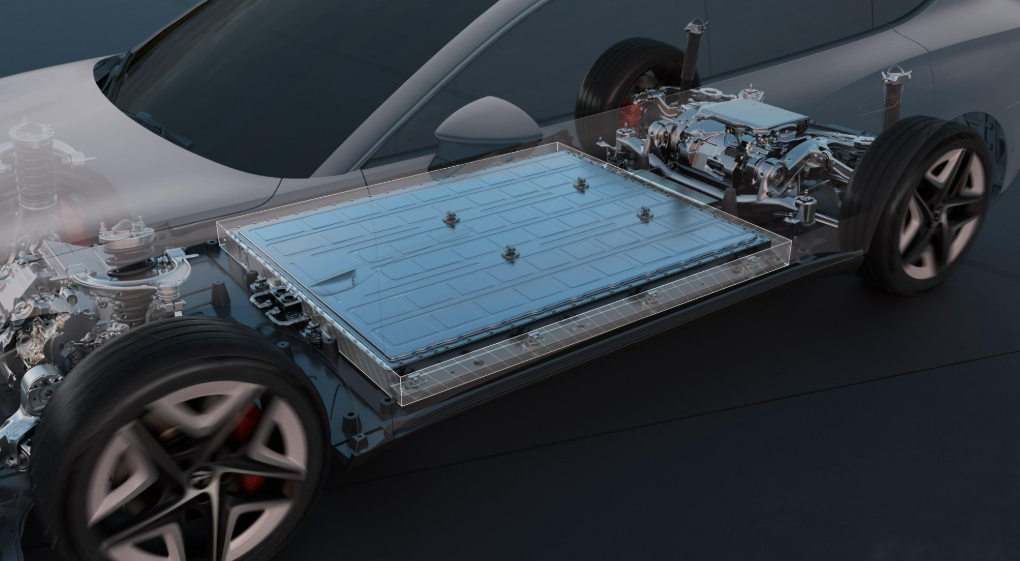
- Policy Turning Point: From a Dual-Track Power Battery System to a Single Recycling Track
The concept of cascading use dates back to the 2012 Energy-Saving and New Energy Vehicle Industry Development Plan issued by the State Council, which sought to maximize the residual value of retired power battery. In the years that followed, supportive policies were strengthened. In 2021, five departments including the Ministry of Industry and Information Technology jointly issued measures for the management of cascading use of power battery for new energy vehicles, setting requirements for the production, use and recycling of cascading-use products. The 2024 industry standard conditions for the comprehensive utilization of retired power battery from new energy vehicles continued to define comprehensive utilization as including both cascading use and recycling.
The latest announcement changes that structure. The Ministry of Industry and Information Technology has abolished all clauses related to cascading use in the 2024 standard conditions. The 100 enterprises that had previously been included in the cascading-use compliance list have been removed from the industry standard enterprise list. The list included well-known companies such as Shanghai BYD, SVOLT, Gotion High-Tech and GEM. Some of those companies retain their qualifications under the recycling announcement framework, according to the available information. The removal from the cascading-use list does not affect the lawful and compliant production and business activities of the enterprises concerned, according to the Ministry of Industry and Information Technology. In practice, however, the loss of compliance-list status means that enterprises no longer enjoy the convenience channels available under the policy framework, and business models that relied on simple sorting and reassembly face adjustment.
The policy shift was signaled at the end of 2025. On December 31, 2025, six departments jointly issued interim measures for the management of recycling and comprehensive utilization of retired power battery from new energy vehicles. Those measures redefined comprehensive utilization as resource utilization activities such as dismantling, crushing, sorting and smelting of retired power battery, and no longer included the concept of cascading use. The latest announcement implements that regulatory change. The transition is therefore not an isolated adjustment but part of a broader reconstruction of the regulatory framework for power battery recycling, power battery reuse and power battery resource recovery.
| Year | Policy milestone | Relevance to power battery management |
|---|---|---|
| 2012 | Energy-Saving and New Energy Vehicle Industry Development Plan issued by the State Council | Introduced the original objective of maximizing the residual value of retired power battery |
| 2021 | Measures for the management of cascading use of power battery for new energy vehicles issued by five departments | Set requirements for the production, use and recycling of cascading-use power battery products |
| 2024 | Industry standard conditions for comprehensive utilization of retired power battery from new energy vehicles | Still treated comprehensive utilization as including both cascading use and recycling |
| 2025 | Interim measures issued on December 31 by six departments | Redefined comprehensive utilization as dismantling, crushing, sorting, smelting and other resource utilization activities, without cascading use |
| Latest announcement | Abolition of cascading-use clauses and removal of 100 enterprises from the cascading-use compliance list | Moved power battery recycling toward a single-track system and a general battery production framework |
- Why the Policy Changed: Scale, Safety and the Misuse of the Cascading-Use Label
The rule update comes amid accelerating retirement of power battery from new energy vehicles and growing product quality and safety risks. Data cited in the policy discussion show that domestic generation of retired power battery was about 400,000 tonnes in 2025. By 2030, annual generation of retired power battery is expected to exceed 1 million tonnes. The rapid increase in retired power battery volumes has made it more urgent to establish a clear, enforceable and full-chain system for power battery recycling, power battery testing and power battery resource recovery.
Retired power battery cells commonly differ in consistency and residual energy. If such cells are only simply disassembled and reassembled without strict quality control, the resulting battery products may be vulnerable to thermal runaway caused by overcharging, short circuits or extrusion. The risks are particularly serious when retired power battery products are placed in applications that require reliable safety performance. The policy change therefore reflects both the scale of the coming power battery retirement wave and the need to prevent low-quality power battery products from entering the market under a loosely defined label.
The concept of cascading use was also increasingly misused in practice. A responsible official from the Department of Energy Conservation and Comprehensive Utilization of the Ministry of Industry and Information Technology said that the cascading-use label had to some extent been understood by the market in a blurred way, as if such products could be allowed to compromise on performance and safety because they were second-hand. Some enterprises took advantage of that perception to push power battery products that had not been fully tested and had only received simple refurbishment into the market under the name of cascading use. In some cases, such power battery products were irregularly used in electric bicycles and other fields. The policy shift is intended to remove the ambiguity surrounding the cascading-use category and to ensure that power battery products made from retired cells meet the quality and safety requirements of their application scenarios.
| Year | Reported volume | Policy context |
|---|---|---|
| 2025 | About 400,000 tonnes of retired power battery | Retirement wave accelerates and safety concerns intensify |
| 2030 | More than 1 million tonnes of retired power battery expected | Pressure grows for full-chain power battery recycling and resource recovery |
- The Compliance List Reset and Its Effect on Power Battery Enterprises
The removal of 100 enterprises from the cascading-use compliance list represents a major reset for the power battery recycling industry. The list had included companies with significant positions in the power battery and battery materials sectors. The change does not automatically invalidate their other qualifications. Some of the affected companies continue to hold recycling announcement qualifications, and the Ministry of Industry and Information Technology has stated that the removal does not affect lawful and compliant production and business activities. Nevertheless, the compliance-list reset changes the practical operating environment for enterprises that had built business lines around cascading-use power battery products.
Companies affected by the list change said that cascading use will no longer be treated as a special product category that can be treated differently. Instead, all battery products produced from retired power battery will be integrated into the general regulatory framework for battery production. That means power battery products made from retired cells must meet quality testing, warranty and safety requirements in the same broad framework as other battery products. The former workshop model, which relied on simple disassembly and reassembly and then sold the resulting power battery products, will no longer have room to operate. The change raises the bar for testing, balancing and safety verification, and it places greater emphasis on the full performance and reliability of power battery products.
For enterprises removed from the list, the most direct impact is the need to reorganize their business models. Companies will need to increase investment in power battery testing, cell balancing, safety verification and related equipment. Compliance costs are expected to rise. Industry analysis suggests that some original businesses may face a short-term adjustment window, and some enterprises that had built cascading-use production lines and channels may need to transform, exit or be acquired. The change also creates pressure to improve traceability and quality management across the power battery recycling chain, from collection and transportation to dismantling, testing and final resource recovery.
| Area | Previous approach under cascading-use framework | New approach under single-track framework |
|---|---|---|
| Product category | Cascading-use power battery products treated as a special category | Battery products made from retired power battery treated within general battery production regulation |
| Compliance status | 100 enterprises included in the cascading-use compliance list | Cascading-use list removed; some enterprises retain recycling qualifications |
| Business model | Simple sorting, disassembly and reassembly could support a low-asset model | Greater focus on testing, balancing, safety verification and scale-based recycling |
| Cost structure | Lower compliance costs for some cascading-use operations | Higher investment in equipment and quality control expected |
| Market access | Policy convenience channels available to listed enterprises | No special cascading-use channel; general quality and safety requirements apply |
- From Light-Asset Relabeling to Heavy-Asset Power Battery Recycling Capacity
At the same time, capacity in the recycling sector continues to expand. The first phase of a 50,000-tonne retired lithium battery recycling project in Tengzhou has been fully commissioned this year. A 200,000-tonne battery recycling and processing project in Hefei began production in April this year. Industry analysis suggests that part of this capacity expansion reflects the redirection of production lines after the abolition of cascading-use business, and it also reflects a broader transition in the power battery recycling industry from a light-asset model that depended on policy dividends to a heavy-asset model in which technology and scale are core competitive factors.
The shift is important for the economics of power battery recycling. Cascading use had allowed some enterprises to extract value from retired power battery through testing, sorting and reassembly, often with limited capital intensity. The new framework places greater weight on recycling and resource recovery, including dismantling, crushing, sorting and smelting. These activities require industrial facilities, environmental controls, technical processes and scale to be economically viable. As a result, the power battery recycling sector is likely to see greater concentration of capacity among enterprises that can meet environmental, safety and quality requirements while achieving efficient recovery of valuable materials from retired power battery.
The expansion of recycling capacity also changes the competitive landscape for power battery collection. Formal recycling enterprises must compete for retired power battery with informal channels that may have lower compliance costs. The policy change is expected to narrow the cost difference between formal and informal channels by removing the ambiguous cascading-use category and by strengthening enforcement across the power battery recycling chain. If formal channels can improve their collection networks and processing efficiency, the power battery recycling market may become more orderly and less exposed to the problem of bad money driving out good money.
| Project | Reported capacity | Status cited |
|---|---|---|
| Tengzhou retired lithium battery recycling project, phase one | 50,000 tonnes | Fully commissioned this year |
| Hefei battery recycling and processing project | 200,000 tonnes | Began production in April this year |
- Local Enforcement and Full-Chain Supervision of Power Battery Flows
At the local level, supervision is being extended to multiple links in the circulation of retired power battery. According to an incomplete review, Guangdong, Jiangsu, Zhejiang, Shandong, Sichuan, Hunan and other regions have strengthened full-chain regulatory measures. The Department of Industry and Information Technology of Hunan Province recently required the establishment of list-based dynamic supervision ledgers for all entities in the power battery production, vehicle manufacturing and comprehensive utilization chains. Such measures are intended to improve traceability and to ensure that retired power battery enters compliant channels.
In April this year, five departments including the Ministry of Industry and Information Technology and the Ministry of Ecology and Environment jointly issued a document to launch a nationwide joint enforcement campaign on the standardized recycling of retired power battery. The campaign focuses on supervising and penalizing illegal sales of retired power battery and the use of retired power battery to produce substandard products. The enforcement action complements the policy shift from cascading use to recycling by targeting the points in the power battery lifecycle where leakage into informal channels is most likely to occur.
The full-chain approach is significant because power battery recycling is not limited to the final dismantling stage. It involves collection, transportation, storage, testing, disassembly, material recovery and final product quality control. Weak links at any stage can undermine the safety and environmental performance of the entire power battery recycling system. By requiring local authorities to build dynamic ledgers and by conducting joint enforcement, regulators are seeking to ensure that retired power battery is handled by qualified entities and that power battery products made from recovered materials meet applicable standards.
- Market Implications: Cost, Competition and the Quality Standard for Power Battery Products
The policy change has clear implications for costs and competition in the power battery recycling market. The removal of the cascading-use compliance list means that enterprises can no longer rely on a special policy channel to market power battery products made from retired cells. They must instead demonstrate that those products meet the quality standards and safety requirements of the intended application. For compliant enterprises, this may reduce the competitive advantage of informal operators that had used the cascading-use label to avoid proper testing and quality control. The cost gap between formal and informal channels may therefore narrow, although the adjustment will not be uniform across all regions or all segments of the power battery market.
The Ministry of Industry and Information Technology has emphasized that the key question is whether a retired power battery, as a battery product, can fully meet the quality standards and safety requirements of the application scenario. That principle shifts the regulatory focus from the origin of the cells to the performance of the final product. Under this approach, power battery products made from retired cells are not automatically disqualified, but they must be tested, verified and warranted in a manner consistent with general battery production. The change is expected to encourage enterprises to improve their technical capabilities in power battery testing, state-of-health assessment, cell balancing and safety design.
Industry participants expect compliance costs to rise in the short term. Enterprises will need to invest in testing equipment, safety verification systems and quality management processes. Some may need to redesign their power battery recycling and reuse operations. The adjustment window may be challenging for smaller operators that lack the capital or technical capacity to meet the new requirements. At the same time, the change may create opportunities for larger enterprises with integrated power battery recycling capacity, strong testing capabilities and established relationships with vehicle manufacturers and battery producers.
The single-track system also affects the relationship between power battery recycling and the broader battery supply chain. Recycled materials from retired power battery can reduce demand for primary raw materials and improve the resilience of the power battery supply chain. However, recycling can only contribute to sustainability and security of supply if the collection, dismantling and recovery processes are safe and environmentally sound. The new policy framework therefore links power battery recycling more closely to industrial policy, environmental regulation and product quality supervision.
- Outlook: A Single-Track System Still Requires Full-Chain Discipline
The abolition of cascading-use provisions does not mean that all reuse of retired power battery is prohibited. Rather, it means that the special regulatory category of cascading use has been removed, and any battery product made from retired power battery must be managed as a battery product under the general framework. This distinction is important for the power battery industry. It preserves the possibility of recovering value from retired power battery while requiring that safety, quality and warranty obligations are not diluted. The policy therefore represents a shift from a category-based approach to a product-based approach, with the quality and safety of the final power battery product at the center of supervision.
The transition to a single-track system will require coordinated action across several areas. Collection networks must be strengthened so that retired power battery flows into compliant channels. Testing and evaluation systems must be improved so that the condition of retired power battery can be accurately assessed. Recycling capacity must expand in an environmentally sound manner. Enforcement must be consistent across regions so that informal operators do not gain an advantage by avoiding compliance costs. Data systems must support traceability from the point of retirement to the final recovery of materials. Each of these elements is essential to the full-chain standardization of power battery recycling.
The policy change also sends a signal to companies in the power battery value chain that the era of relying on a loose cascading-use label is over. Enterprises that invest in technology, quality control and scale may be better positioned to compete in the new environment. Companies that continue to rely on simple disassembly and reassembly without adequate testing and safety verification are likely to face growing regulatory and market pressure. The power battery recycling industry is therefore moving toward a model in which compliance, technology and scale determine competitiveness.
For the broader power battery market, the shift may improve confidence in recycled and recovered materials. If power battery products made from retired cells are subject to clear quality and safety requirements, customers may become more willing to accept them in appropriate applications. At the same time, the removal of the cascading-use compliance list means that policy support will be directed toward recycling and resource recovery rather than toward a separate reuse category. The power battery recycling system is thus being reorganized around the principles of full-chain supervision, product quality and environmental responsibility.
The coming years will test how effectively the new framework is implemented. Retired power battery volumes are expected to rise sharply, and the pressure on collection, recycling and supervision will increase. The policy announcement has provided a clear direction by ending the dual-track system and by requiring that power battery products made from retired cells meet general battery production requirements. The success of the new approach will depend on whether enterprises, local authorities and market participants can translate that direction into consistent enforcement, reliable testing and sufficient recycling capacity. For the power battery industry, the move marks a new phase in which the residual value of retired power battery can be recovered, but only within a system that places safety, quality and full-chain accountability at its core.