
The 2026 World Power Battery Conference opened on September 3 in Yibin, Sichuan Province, under the theme “Powering All Things Through Electric Drive, Integrating and Growing Together.” Participants at the conference said they hope to use the event as an opportunity to deepen work on frontier power battery technologies, expand room for exchange and cooperation, and jointly build an open, inclusive, safe and stable global power battery industrial chain system.
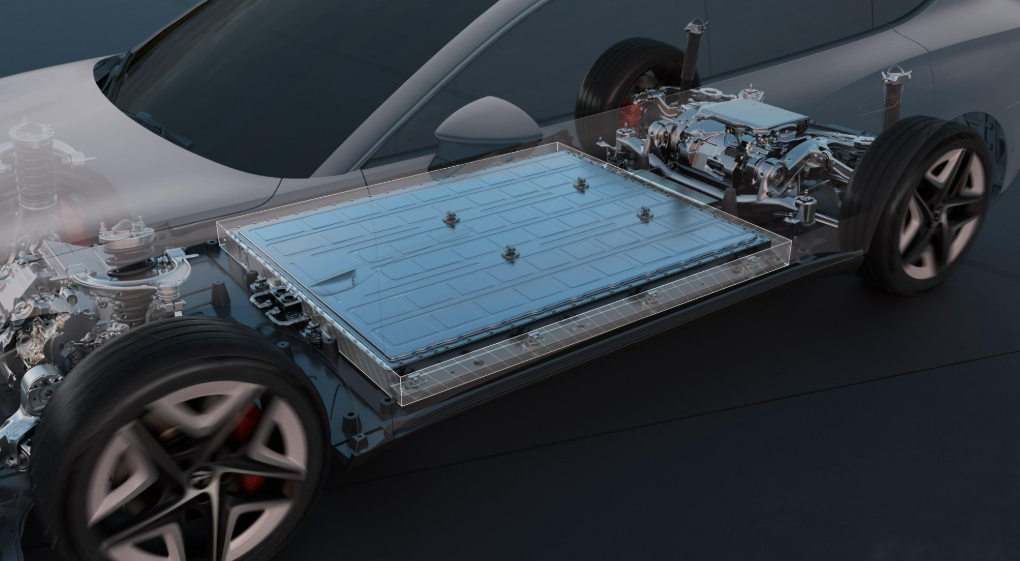
At the opening ceremony, Wan Gang, honorary chairman of the China Association for Science and Technology, said that the power battery industry serves as an important carrier for strategic emerging industries such as new energy, new materials and new energy vehicles, and as a strategic foundation for making the new energy vehicle industry stronger and better. The power battery industry has become a typical representative of new quality productive forces, he said.
The global automotive industry transformation continues to accelerate, and China’s power battery industry is in a critical period of improving quality and efficiency and expanding its advantages. Xiong Jijun, vice minister of the Ministry of Industry and Information Technology, said in his address that the next step will be to further strengthen technological innovation, reinforce standards leadership, regulate competition order, expand application scenarios and deepen openness and cooperation, so as to push China’s power battery industry toward high-end, intelligent, green and international development.
Spain is the guest country of honor at this year’s conference. As the second-largest automobile producer in the European Union, Spain is gradually growing into a core industrial highland for electric vehicles and power batteries in Europe. Spanish Ambassador to China Betanzos said that Spain hopes to become an industrial and technological partner for Chinese enterprises, help Chinese companies explore the European market, and also expects Spanish enterprises to find partners in China for innovation, production and business opportunities.
The conference’s opening messages reflected a shared view that the future of the power battery sector depends not only on advances in cells, materials and manufacturing, but also on closer coordination across the entire value chain. The power battery industry is increasingly seen as a cross-border sector that connects energy, transportation, manufacturing, digital technology and environmental management. For that reason, the conference placed strong emphasis on openness, cooperation and the construction of a stable global power battery supply system.
I. A Global Platform for Power Battery Innovation and Cooperation
The 2026 World Power Battery Conference provided a high-level platform for policy communication, technological exchange and industrial cooperation. The event focused on frontier technologies and the development of an open and inclusive industrial chain, aligning with the wider need to support the rapid evolution of electric vehicles, energy storage and other applications that depend on advanced power battery systems.
Wan Gang’s remarks underscored the strategic position of the power battery industry in the broader new energy landscape. The power battery is not merely a component in an electric vehicle; it is a foundational technology that influences the competitiveness of new energy vehicles, the development of new materials, the integration of renewable energy and the expansion of new application scenarios. As the power battery industry grows, its role in industrial upgrading and technological innovation becomes more prominent.
Xiong Jijun’s policy message added further direction for the sector. Technological innovation remains central to the next stage of power battery development. Standards leadership is also critical, because consistent and widely recognized standards can support product quality, safety, interoperability and international trade. Regulating competition order is equally important for maintaining a healthy market environment in which power battery companies can invest in long-term research and development rather than relying on disorderly price competition.
The conference also highlighted the importance of expanding application scenarios. Power batteries are no longer limited to passenger vehicles. They are increasingly relevant to commercial vehicles, energy storage systems, low-altitude equipment, intelligent devices and other emerging fields. By broadening the application landscape, the power battery industry can create new demand, strengthen industrial resilience and support the wider transition toward electrification.
Deepening openness and cooperation formed another key part of the policy direction. The global power battery industry depends on international flows of technology, talent, capital, materials and market access. No single company or country can build a complete power battery ecosystem alone. The conference therefore called for an open, inclusive, safe and stable global power battery industrial chain system that can support innovation and growth across regions.
Spain’s role as guest country of honor illustrated the international dimension of the conference. As a major automobile producer in the European Union, Spain is positioning itself as a growing center for electric vehicles and power batteries. The remarks by Betanzos pointed to complementarity between China and Spain in industrial capacity, technology and market development. Chinese power battery and electric vehicle companies have accumulated experience in technology, manufacturing and supply chains, while Spain offers a gateway to the European market and a developing industrial base for electric mobility.
The conference’s international character also reflected the wider reality of the power battery sector. Power battery supply chains span mining, refining, materials, cell production, battery management, vehicle integration, charging infrastructure, energy storage and recycling. Each stage requires coordination among multiple countries and companies. The conference’s emphasis on openness and cooperation therefore addressed a practical need: the global power battery industry must remain connected if it is to continue reducing costs, improving performance and meeting climate and energy goals.
II. China’s Power Battery Scale and Global Position
The conference took place against a backdrop of rapid expansion in China’s power battery and lithium-ion battery industries. In 2025, China’s domestic power battery installations reached 769 GWh, up 40 percent year on year. In the same year, six of the world’s top ten power battery installation companies were Chinese, with a combined installation share of 70 percent.
China’s total lithium-ion battery shipments in 2025 were about 1,875 GWh, up 53 percent year on year, accounting for more than 80 percent of the global total. An institution estimated that China’s lithium-ion battery shipments will exceed 3,600 GWh by 2030, doubling from the 2025 level. These figures illustrate the scale of China’s power battery and lithium-ion battery manufacturing base, as well as the importance of the sector in global clean energy and electric vehicle supply chains.
| Indicator | Value | Year-on-Year Change or Share |
|---|---|---|
| China power battery installations | 769 GWh | Up 40 percent |
| China’s presence among the global top ten power battery installers | Six companies | Combined installation share of 70 percent |
| China lithium-ion battery shipments | Approximately 1,875 GWh | Up 53 percent; more than 80 percent of the global total |
| Expected China lithium-ion battery shipments by 2030 | More than 3,600 GWh | Expected to double from the 2025 level |
The scale of China’s power battery industry provides a strong foundation for further innovation and international cooperation. Large-scale manufacturing can support cost reduction, quality improvement and technological iteration. At the same time, the rapid growth of the power battery sector places new demands on supply chain management, standards development, recycling systems and international market access.
The data also underline the global responsibility of the power battery industry. As power battery production and lithium-ion battery shipments continue to grow, companies and policymakers must pay attention to the full lifecycle of batteries, including raw material sourcing, manufacturing, use, recycling and regeneration. The transition toward green and low-carbon power battery supply chains is therefore not a secondary issue but an integral part of long-term industrial competitiveness.
At the conference, the scale of China’s power battery industry was presented alongside a clear message about quality and sustainability. Growth in volume must be matched by progress in technology, standards, safety and environmental performance. The power battery industry’s next phase is expected to focus on higher energy density, better safety, longer lifecycle, improved cost efficiency and stronger integration with renewable energy systems and smart mobility.
III. Exhibition Maps the Full Power Battery Application Ecosystem
During the conference, the 2026 Power Battery Application Ecology Exhibition was held at the Yibin International Convention and Exhibition Center. The exhibition covered a total area of more than 50,000 square meters, with more than 200 enterprises from Spain, the United States, France, Germany and other countries participating.
The exhibition content covered the full power battery industry chain. It included dedicated zones for energy storage, low-altitude economy, embodied intelligence and recycling, among other areas. These zones reflected the expanding scope of power battery applications and the growing interconnection between power battery technology and other emerging industries.
- Energy storage applications show how power batteries can support grid flexibility, renewable energy integration and distributed energy systems.
- Low-altitude economy applications point to the potential role of advanced power batteries in new forms of aviation and intelligent equipment.
- Embodied intelligence applications highlight the need for power batteries that can meet diverse requirements in robotics and intelligent devices.
- Recycling and reuse applications emphasize the importance of closing the loop across the power battery lifecycle.
The exhibition’s broad scope demonstrated that the power battery industry chain is becoming longer and more integrated. From raw materials and cells to battery packs, vehicle applications, energy storage systems and recycling, each link in the chain depends on close cooperation among specialized companies. The exhibition provided a platform for enterprises to showcase innovation, explore partnerships and identify new opportunities in the power battery ecosystem.
For international exhibitors, the event also offered a view of China’s power battery market and supply chain capabilities. For Chinese companies, it provided an opportunity to engage with global partners and better understand overseas market requirements. The presence of companies from multiple countries reinforced the conference’s theme of integration and shared growth.
The exhibition’s focus on application ecology also signaled a shift in how the power battery industry is viewed. The power battery is not only a product category but also an enabling technology for a wide range of industries. As electrification spreads, the power battery sector will need to work more closely with energy, transportation, manufacturing, digital technology and environmental services.
IV. Green Supply Chain Action Targets the Full Power Battery Lifecycle
At the conference, a green supply chain construction action for the battery industry was officially launched by 12 units, including the United Nations Industrial Development Organization and China Resource Recycling Group. The action focuses on the battery sector and covers policy research, standards certification, carbon asset management, pilot demonstrations and international cooperation.
The initiative aims to promote green and low-carbon practices throughout the entire power battery lifecycle, including raw material mining, manufacturing, use, recycling and regeneration. This lifecycle approach is essential for the power battery industry because environmental performance is increasingly linked to market access, customer requirements and long-term sustainability.
Policy research under the action can help identify barriers and opportunities for green power battery supply chains. Standards certification can provide a common basis for evaluating environmental performance and product quality. Carbon asset management can support companies in measuring, reducing and managing emissions across the power battery value chain. Pilot demonstrations can test new approaches in real-world conditions, while international cooperation can promote mutual recognition and shared learning.
The launch of the action reflects a broader recognition that the power battery industry must address environmental impacts at every stage. Raw material mining and processing require responsible practices. Manufacturing must improve energy efficiency and reduce emissions. The use phase must ensure safety and performance. Recycling and regeneration must recover valuable materials and reduce waste.
A green power battery supply chain also supports the credibility of electrification. Electric vehicles and energy storage systems are central to the clean energy transition, and their environmental benefits depend on the sustainability of the power battery supply chain. By focusing on the full lifecycle, the action seeks to align the growth of the power battery industry with environmental responsibility and resource efficiency.
The involvement of international organizations and Chinese enterprises in the green supply chain action indicates that cooperation across borders and sectors is necessary. No single company can manage the full lifecycle of a power battery alone. Governments, international organizations, manufacturers, recyclers, certification bodies and research institutions all have roles to play in building a transparent and sustainable power battery supply chain.
V. Industry Leaders Call for Integration and Shared Growth
Yin Tongyue, chairman of Chery Holding Group, said in a keynote address that “integration and shared growth” requires not only unity across the industrial chain but also win-win global cooperation. Achieving the goal of powering all things through electric drive cannot be completed by automakers or battery manufacturers working alone, he said.
Yin Tongyue said that in Yibin, an important industrial base, Chery hopes to work with more global upstream and downstream partners, from cells and materials to complete vehicles and applications, to build a complete closed loop and a robust ecosystem. Establishing a healthy industry ecosystem will help the automotive industry become a respected and sustainably developing sector, he said.
His remarks highlighted the need for closer coordination between power battery producers, material suppliers, automakers and application providers. The power battery industry chain is highly interconnected. Improvements in cell technology must be matched by advances in battery management, vehicle integration, charging infrastructure and recycling. Cooperation across the chain can accelerate innovation and reduce inefficiencies.
The call for a complete closed loop also points to the importance of lifecycle thinking. A power battery’s performance and value are determined not only at the manufacturing stage but also throughout its use and end-of-life management. By strengthening cooperation from raw materials to recycling, companies can improve resource efficiency and create more sustainable business models.
Yin Tongyue’s emphasis on global cooperation reflected the international nature of the power battery industry. Companies from different countries bring different strengths in technology, manufacturing, materials, markets and standards. Open cooperation can help combine these strengths and support the development of a more resilient global power battery supply chain.
VI. Profit Distribution and Long-Term Development of the Power Battery Chain
Deng Chenghao, vice president of Changan Automobile and chairman of Deepal, said that the intelligent electric vehicle industry is in a period of deep transformation. While the market is expanding rapidly, profit distribution across the industrial chain is uneven, and the profit distribution mechanism needs further adjustment.
Deng Chenghao said that core suppliers in areas such as power batteries, chips and electronic controls, together with vehicle manufacturers, should share the benefits of the industry’s long-term development. They should reduce short-term gaming between upstream and downstream players and avoid compressing investment in research and development and innovation in order to compete for short-term profits.
He pointed out that high-quality development of the new energy vehicle industry cannot be measured only by sales growth. It must also consider whether each link in the industrial chain can achieve sustainable and mutually beneficial development. For vehicle manufacturers, it is not appropriate to pursue excessive profits at a single stage. Instead, through full lifecycle value management, users, suppliers and automakers should all benefit from the development of the industry.
These comments addressed a central challenge for the power battery and electric vehicle sectors. Rapid market growth can create opportunities, but it can also intensify price competition and pressure on margins. If companies across the power battery value chain face unstable returns, their ability to invest in innovation, quality and safety may be weakened. A more balanced profit distribution mechanism can support long-term healthy development.
The power battery industry is capital-intensive and technology-intensive. Research and development in cells, materials, battery management systems, manufacturing processes and recycling requires sustained investment. Suppliers and automakers both need reasonable returns to fund innovation. At the same time, consumers need affordable and reliable electric vehicles. Balancing these interests is essential for the long-term growth of the power battery market.
Full lifecycle value management offers a practical perspective. Instead of focusing only on the initial sale of a vehicle or a power battery, companies can consider value creation across charging, energy services, maintenance, battery reuse and recycling. This approach can help align incentives across the chain and support more sustainable business models.
VII. Key Directions for the Global Power Battery Industry
The discussions at the 2026 World Power Battery Conference pointed to several key directions for the global power battery industry. These directions reflect both the achievements of the sector and the challenges that must be addressed as electrification expands.
- Technological innovation remains central. Advances in power battery performance, safety, lifespan and cost will determine the pace of electrification in vehicles, energy storage and other applications.
- Standards and certification are essential for quality, safety and international cooperation. A common approach to standards can reduce barriers and support the growth of the global power battery market.
- A healthy competition order is needed to avoid disorderly price competition and to protect investment in research and development across the power battery chain.
- Expanding application scenarios can create new demand for power batteries and strengthen the resilience of the industry. Energy storage, low-altitude economy, embodied intelligence and other fields offer new opportunities.
- Open international cooperation can connect technology, capital, markets and resources. The power battery industry benefits from cross-border collaboration among companies, governments, research institutions and international organizations.
- Green and low-carbon development must cover the full lifecycle of power batteries, from raw material mining to manufacturing, use, recycling and regeneration.
- Balanced profit distribution across the value chain can support long-term investment and sustainable growth in the power battery and electric vehicle industries.
These directions are interconnected. Technological innovation requires investment, which in turn depends on a healthy market environment. Standards and certification can support international trade and cooperation, while green supply chain practices can improve the long-term credibility of the power battery industry. Expanding applications can create new markets, and balanced profit distribution can ensure that the benefits of growth are shared across the chain.
The conference’s focus on an open and inclusive industrial chain system also reflected the reality that the power battery sector is global in nature. Power battery materials, components, equipment and finished products move across borders. Companies from different countries participate in research, manufacturing, sales and recycling. A stable and open global power battery supply chain is therefore important for both producers and consumers.
At the same time, the power battery industry must manage risks and uncertainties. Changes in policy, trade, technology and market demand can affect the sector. Cooperation and dialogue can help companies and governments anticipate changes and develop coordinated responses. The conference provided a platform for such dialogue and helped build a shared understanding of priorities.
The presence of Spain as guest country of honor added a European perspective to the discussions. Spain’s ambition to develop its electric vehicle and power battery industrial base aligns with the broader European transition toward clean mobility. Cooperation between Chinese and Spanish companies could support technology exchange, industrial development and market access. Such cooperation also illustrates how the global power battery industry can benefit from complementary strengths.
The green supply chain action launched at the conference further demonstrated that sustainability is becoming a central part of power battery competitiveness. As markets around the world pay more attention to carbon footprints, recycling and responsible sourcing, companies that can demonstrate strong environmental performance may gain advantages. The action’s focus on policy research, standards certification, carbon asset management, pilot demonstrations and international cooperation addresses these emerging requirements.
For the power battery industry, the next stage of development will require collaboration among a wide range of stakeholders. Automakers, battery manufacturers, material suppliers, equipment makers, recyclers, research institutions, standards bodies and international organizations all have important roles. The conference’s discussions showed that no single actor can address the challenges and opportunities of the power battery sector alone.
VIII. A Shared Vision for the Future Power Battery Ecosystem
The 2026 World Power Battery Conference presented a shared vision for the future of the power battery industry: a future built on frontier technology, open cooperation, green development and mutual benefit. The conference’s theme, “Powering All Things Through Electric Drive, Integrating and Growing Together,” captured the idea that electrification is not only a technological shift but also a system-level transformation that requires coordination across industries and borders.
Participants emphasized that the power battery industry has become a strategic pillar for new energy vehicles and a broader range of applications. As the industry grows, its responsibilities also increase. The power battery sector must continue to improve performance and safety while reducing environmental impacts and supporting the stability of global supply chains.
The policy directions outlined at the conference, including technological innovation, standards leadership, competition order, application scenarios and openness, provide a framework for future progress. The green supply chain action adds a lifecycle perspective, while the exhibition demonstrates the expanding application ecology of power batteries. The remarks by industry leaders highlight the need for integration, shared growth and balanced profit distribution.
For the global power battery industry, the conference sent a clear message: cooperation is essential. The sector’s challenges are too complex and its opportunities too large for isolated efforts. By strengthening dialogue, building trust and aligning standards and sustainability practices, companies and governments can support a more resilient and inclusive power battery ecosystem.
The power battery industry stands at a critical moment. Demand for electric vehicles, energy storage and new electrified applications continues to expand. Technological progress is accelerating. International cooperation is deepening. At the same time, competition is intense, profit distribution is uneven and environmental requirements are rising. The discussions in Yibin reflected both the confidence and the caution needed to navigate this stage of development.
As the conference concluded, the focus now shifts to implementation. The power battery industry will need to translate the shared vision into concrete actions: investing in innovation, strengthening standards, improving supply chain transparency, advancing recycling and building mutually beneficial partnerships. If these efforts are pursued consistently, the power battery sector can continue to support the global transition toward cleaner energy and more sustainable mobility.
The 2026 World Power Battery Conference demonstrated that the power battery industry is not only a manufacturing sector but also a platform for international cooperation and industrial transformation. The event brought together policy makers, industry leaders, researchers and international organizations to discuss the future of power batteries and the systems that depend on them. The message was clear: an open, inclusive and stable global power battery industrial chain is essential for innovation, growth and sustainability.