
1. Introduction
The rapid expansion of the new-energy vehicle industry has been driven by the dual imperatives of reducing dependence on fossil fuels and mitigating urban air pollution. A pivotal component of this industrial transformation is the traction battery pack, whose service life, safety, and recycling economics define the sustainability of electric mobility. As the deployment of electric vehicles accelerates globally, the volume of retired traction battery packs is now increasing exponentially. According to industry projections, the annual retired mass of such packs in China alone will exceed one million tonnes by 2025 and continue to grow toward three hundred and fifty million tonnes by 2030. The management of those end-of-life packs is therefore not only an environmental necessity but also an economic opportunity to recover valuable metals such as lithium, cobalt, nickel, and manganese.
Within the manufacturing process of a traction battery pack, polyurethane structural adhesives play an indispensable role. They are applied onto the surface of the metallic cooling plates and module frames, where they bond the individual battery cells, thermally manage the interface, and absorb mechanical vibrations and impacts encountered during vehicle operation. The structural adhesive must resist high temperature, humidity, and mechanical fatigue for the entire service life of the battery. However, when the traction battery pack reaches the end of its first-life application or is damaged in a collision, those same robust bonds become a serious obstacle to disassembly and material recovery. Removing the cured polyurethane from the cell surface without damaging the underlying battery structure remains one of the most challenging steps in the recycling workflow.
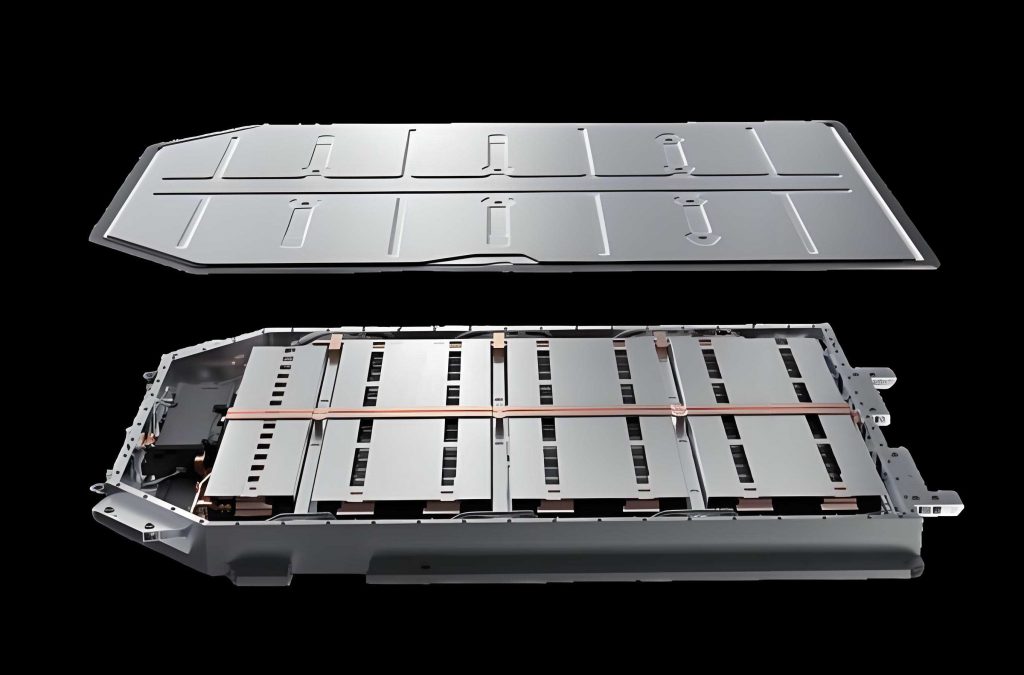
Conventional methods used to separate bonded components in a traction battery pack include manual scraping, high-temperature incineration, and ultrasonic cleaning. Manual disassembly is slow, labour-intensive, and frequently damages the battery housing, leading to leakage of hazardous electrolytes. Incineration destroys not only the adhesive but also the valuable electrode material and generates toxic combustion products such as hydrogen cyanide, carbon monoxide, and volatile organic compounds when polyurethane is burned. These emissions are extremely dangerous both to human health and to the environment. Ultrasonic cleaning provides a milder alternative for soft adhesives, but it requires the battery components to be waterproof and is rarely applicable to cured polyurethane assemblies in practice. Consequently, there is an urgent demand for a green, efficient, and low-energy chemical process to achieve selective degradation and removal of polyurethane adhesive at moderate temperatures while preserving the integrity of the traction battery pack components.
Polyurethane is a condensation polymer formed by the reaction between polyols and polyisocyanates. The backbone contains urethane linkages, which can be cleaved chemically by reagents capable of attacking the carbonyl carbon. Several chemical recycling routes have been studied before, including alcoholysis, aminolysis, hydrolysis, ammonolysis, and phosphorolysis. Among them, alcoholysis is considered to be the most practical because the alcohol molecules simultaneously attack the urethane bond and stabilise the leaving groups, yielding polyols that can be re-used as raw materials. The reaction is usually catalysed by alkalis. In my initial experiments, I employed sodium hydroxide as the catalyst and diethylene glycol as the degrading agent. While the system worked effectively at high temperatures, it became apparent that the polyurethane degradation reaction using NaOH alone required temperatures above 125 °C, and the complete removal of the cured adhesive at temperatures acceptable for a traction battery pack (i.e., below about 80 °C) proved impossible. This necessitated the exploration of more efficient catalysts.
Ionic liquids, which are organic salts that are entirely composed of ions and remain liquid near room temperature, have attracted significant attention due to their low volatility, high thermal stability, wide electrochemical window, and tunable acidity. Most importantly, their structures can be systematically adjusted by choosing different cations and anions to optimise interactions with specific chemical bonds. Previous research has shown that metal-containing ionic liquids are highly active catalysts for the degradation of polyesters such as poly(ethylene terephthalate), polycarbonate, and poly(lactic acid). In those cases, the Lewis acidic anion and the imidazolium cation work together to activate the carbonyl group and the hydroxyl group, respectively. Recognising the analogy between the ester bond and the urethane bond, I hypothesised that similar Lewis acidic ionic liquids would also catalyse the alcoholysis of cured polyurethane adhesive under considerably milder conditions than sodium hydroxide.
This thesis therefore has the following objectives. The first is to investigate systematically whether sodium hydroxide combined with diethylene glycol can degrade polyurethane structural adhesives commonly used in the traction battery pack industry, and how different process variables affect the degradation performance. The second is to synthesize several ionic liquid catalysts with different cations and anions, characterise their structures, and then evaluate their catalytic efficacy in degrading polyurethane. I also intended to identify the most effective ionic liquid candidate, optimise the reaction conditions, and understand the structure–activity relationships from the perspective of charge distribution and Lewis acidity. In addition, the reusability and the long-term activity of the ionic liquid were studied, because recyclability is an important requirement for an economical process. The ultimate motivation is to provide industrially feasible guidance on removing polyurethane structural adhesive from the surface of retired traction battery packs in a safe, efficient, and environmentally benign way.
2. Background and Chemical Principles
2.1 Application of polyurethane adhesives in traction battery packs
A traction battery pack is an assembly of modules, cells, busbars, cooling plates, and structural frames. The structural adhesive must be strong enough to hold cells firmly in place during acceleration, braking, and collisions. Two-component polyurethane structural adhesives have become the dominant class of adhesives for this purpose because they offer excellent adhesion to aluminium, steel, and PET film, while simultaneously providing high impact resistance and thermal stability. The adhesives are typically formulated with polyether polyol as the base resin and aromatic isocyanates such as diphenylmethane diisocyanate as the cross-linker. When applied to the metallic surface, the mixture cures at room temperature or slightly elevated temperature to form a three-dimensional cross-linked network containing numerous urethane groups.
Depending on their formulation, the cured polyurethane may contain flame retardants, thermally conductive fillers, and ageing-resistant modifiers. Those additives make the material even more difficult to remove by mechanical means. During the disassembly of a retired traction battery pack, the objective is not necessarily to degrade the polymer into valuable monomer feedstocks; rather, the primary goal is to disrupt the network sufficiently so that the adhesive loses its mechanical strength and can be peeled off or washed away from the cell surface. This is why I chose to evaluate the efficiency of degradation in terms of the mass loss of polyurethane after a set time, rather than simply measuring the yield of a specific degradation product. By tracking the mass difference before and after treatment with different catalytic systems, I could directly assess whether the bond-breaking process had progressed sufficiently to weaken the structural bond.
2.2 Chemical degradation routes
Numerous chemical reagents can cleave a urethane linkage. In my study, the main degradation reaction was alcoholysis, in which the alcohol solvent acts as the cleaving agent. The overall stoichiometric alcoholysis reaction for a urethane bond can be represented as follows:
$$ \mathrm{R_1\!-\!O\!-\!CO\!-\!NH\!-\!R_2} \;+\; \mathrm{HO\!-\!R_3\!-\!OH} \;\xrightarrow{\;\mathrm{catalyst}\ \Delta\;}\; \mathrm{R_1\!-\!OH} \;+\; \mathrm{HO\!-\!R_3\!-\!O\!-\!CO\!-\!NH\!-\!R_2} $$
If the attacking molecule is an amine, the reaction proceeds by aminolysis, which produces substituted ureas.
$$ \mathrm{R_1\!-\!O\!-\!CO\!-\!NH\!-\!R_2} \;+\; \mathrm{H_2N\!-\!R_3} \;\rightarrow\; \mathrm{R_1\!-\!OH} \;+\; \mathrm{R_3\!-\!NH\!-\!CO\!-\!NH\!-\!R_2} $$
Hydrolysis uses water as the reagent and generally requires very high temperatures and pressures:
$$ \mathrm{R_1\!-\!O\!-\!CO\!-\!NH\!-\!R_2} \;+\; \mathrm{H_2O} \;\xrightarrow{\;\Delta,\ p\;}\; \mathrm{R_1\!-\!OH} \;+\; \mathrm{CO_2} \;+\; \mathrm{R_2\!-\!NH_2} $$
All of these reactions involve the nucleophilic attack on the carbonyl carbon of the urethane group. Therefore, the catalytic role of any additive is to increase the electrophilicity of that carbonyl carbon or to increase the nucleophilicity of the attacking reagent. Sodium hydroxide performs this function by deprotonating the alcohol and generating the strongly nucleophilic alkoxide species. However, the deprotonation becomes thermodynamically favourable only when the temperature is high. This limitation formed the main motivation for my subsequent test with ionic liquid catalysts.
3. Experimental Materials and Methods
3.1 Materials
All experiments were conducted with polyurethane adhesives commonly employed in traction battery pack assembly and packaging. The black adhesive, designated as WEVOPUR 58111 PL/5, and the white adhesive, designated as BETAFORCE™ 2816S, were removed from a traction battery pack module frame that had been disassembled in the laboratory. For the adaptability tests, I also used three commercial two-component products named JC8065, YH-6211A/B, and HKJ-8012A/B. Diethylene glycol, diethanolamine, sodium hydroxide, anhydrous ferric chloride, anhydrous cobalt chloride, and anhydrous zinc chloride were analytical grade reagents. The imidazolium chloride salts used for synthesising ionic liquids—1-butyl-3-methylimidazolium chloride, 1-allyl-3-methylimidazolium chloride, and 1-hexyl-3-methylimidazolium chloride—were obtained as pure powders. I used them without further purification except for vacuum drying when necessary.
3.2 Ionic liquid synthesis
Five Lewis acidic ionic liquids were prepared by direct combination of an anhydrous metal chloride with the corresponding imidazolium chloride salt. The synthesis route for the iron-containing ionic liquids is typical. I placed the appropriate amounts of anhydrous FeCl3 and [Bmim]Cl into a three-necked flask in a molar ratio selected to provide a certain molar fraction of the tetrachloroferrate anion. The mixture was magnetically stirred and refluxed at 50 °C for five hours under a nitrogen atmosphere. After the reaction, the resulting homogeneous liquid was dried in vacuo at 60 °C for 24 hours to remove all traces of moisture. The general formula for the molar fraction x of the tetrachloroferrate anion in the final liquid is:
$$ x \;=\; \frac{n\left(\mathrm{FeCl_3}\right)}{n\left(\mathrm{FeCl_3}\right)+n\left([\mathrm{Bmim}]\mathrm{Cl}\right)} $$
When x was 0.5, the stoichiometry corresponded to the formation of [Bmim][FeCl4]. By the same method, I synthesised [Amim][FeCl4], [Hmim][FeCl4], [Amim][ZnCl3], and [Amim][CoCl3]. The ionic liquid was stored in a desiccator before use.
3.3 NaOH-catalysed degradation experiments
All degradation tests were performed in a three-necked round-bottom flask equipped with a reflux condenser and a temperature-controlled magnetic heating mantle. In a typical NaOH-catalysed alcoholysis, 60 mL of diethylene glycol and a pre-weighed amount of NaOH were charged into the flask. The mixture was heated to the selected temperature. A piece of cured polyurethane, weighing approximately 3.5 g, was then added to the hot solution. The degradation was allowed to proceed for a predetermined time, after which the flask was cooled to room temperature. The remaining polyurethane was recovered, rinsed thoroughly with ethanol to remove any adherent solvent, dried in air, and weighed again. The mass loss was calculated as:
$$ \Delta m \;=\; m_1 – m_2 $$
where m1 is the initial mass of polyurethane and m2 is the mass of the undissolved residue. The degradation percentage was then defined as:
$$ \eta \;=\; \frac{m_1 – m_2}{m_1} \times 100\% $$
For the adaptation tests on different commercial adhesives, I used the optimised formulation developed from the single-factor experiments. The complete degradation time was recorded for each product at several degradation temperatures. The tests were performed in triplicate to ensure the data were reproducible.
3.4 Ionic-liquid-catalysed degradation experiments
The general ionic-liquid-catalysed degradation experiment was analogous to the NaOH-catalysed experiment. The flask was charged with 40 mL of diethylene glycol and 2 g of the ionic liquid. After heating to the reaction temperature, the cured polyurethane sample was added. The mass of the sample was recorded before and after the reaction. To optimise the system, I varied the amount of catalyst, the anion molar fraction of the ionic liquid, the degradation time, and the reaction temperature. The swelling test, Fourier-transform infrared spectroscopy, and viscosity measurements were used to characterise the degradation products and the physical state of the materials.
3.5 Swelling test
To understand why the two structural adhesives from the traction battery pack degraded at different rates, I measured the swelling ratio of the black and white adhesives in three separate liquids: water, diethylene glycol, and diethanolamine. Rectangular samples of each polyurethane with a mass close to 0.3 g were immersed in 5 mL of the liquid in a sealed centrifuge tube. The tubes were held at 30 °C in a thermostatic water bath. After five days, each sample was removed, blotted with absorbent paper, and weighed immediately. The sample was then returned to the tube. The weighing was repeated after seven days to verify that equilibrium swelling had been reached. The equilibrium swelling percentage was calculated as:
$$ S \;=\; \frac{m_{\mathrm{eq}} – m_0}{m_0} \times 100\% $$
where m0 is the dry mass and meq is the mass at equilibrium swelling.
4. Results and Discussion for NaOH-Catalysed Degradation
4.1 Effect of degradation temperature on the time for complete degradation
In the first series of experiments, I used diethanolamine as the degrading agent and NaOH as the catalyst. The purpose was to establish the temperature window over which complete degradation of the cured adhesive could occur within a reasonable time. Figure 1 in the original thesis summarises the complete degradation times of the black and white adhesive, respectively, at temperatures ranging from 125 °C to 245 °C. As expected for a kinetically controlled process, the complete degradation time decreased strongly as the temperature increased. At 125 °C, the black adhesive required roughly seven hours and twenty-five minutes to disappear completely, whereas the white adhesive needed approximately eight hours and five minutes. When the degradation temperature was raised to 245 °C, the black adhesive fully degraded within just ten minutes and the white adhesive within five minutes.
This observation is consistent with the Arrhenius equation, which states that the reaction rate increases exponentially with temperature. In the case of the traction battery pack adhesive, therefore, an excessive temperature could destroy the battery cell. The NaOH-based system evidently demands either very long times at modest temperatures or very high temperatures for rapid processing. Neither condition is suitable for the recovery of intact cells from a retired traction battery pack.
4.2 Swelling behaviour and cross-link density
The black and white adhesives displayed a clear difference in complete degradation time at any given temperature. I considered this to be a direct consequence of the difference in cross-link density of each network. To validate that assumption, the swelling tests were performed in three solvents. The measured swelling ratios are reported in the table below.
| Sample and parameter | Diethylene glycol | Diethanolamine | Water |
|---|---|---|---|
| Initial mass of black adhesive / g | 0.298 | 0.301 | 0.308 |
| Equilibrium swollen mass of black adhesive / g | 0.305 | 0.306 | 0.312 |
| Swelling ratio of black adhesive / % | 2.30 | 1.70 | 1.30 |
| Initial mass of white adhesive / g | 0.469 | 0.536 | 0.525 |
| Equilibrium swollen mass of white adhesive / g | 0.475 | 0.542 | 0.530 |
| Swelling ratio of white adhesive / % | 1.30 | 1.10 | 0.95 |
Several important conclusions can be drawn from these data. First, for a given adhesive, the swelling ratio decreased in the sequence diethylene glycol, diethanolamine, water. The ability of diethylene glycol to swell the polyurethane was higher than that of diethanolamine despite the fact that the latter can form hydrogen bonds as well. This is because diethylene glycol has two hydroxyl groups of identical chemical environment; those hydroxyls interact strongly with the carbonate and ether groups along the polyurethane backbone, allowing solvent molecules to penetrate the network. Diethanolamine contains two hydroxyls and one secondary amine group, but the amine group engages in strong internal association, which reduces the effective diffusion of the solvent into the polymer matrix. Water is a poor solvent for the cured polyurethane, and only minimal swelling was observed in water.
Second, the black adhesive consistently swelled more than the white adhesive in all three solvents. A higher swelling ratio is generally associated with a lower cross-link density, because a loosely connected network permits the solvent to penetrate more extensively. The white adhesive likely contains a higher concentration of isocyanate cross-linker or is formulated from a polyol with higher functionality. That denser network explains why the white adhesive required longer time for complete degradation in the presence of NaOH. Since the white adhesive is more stable chemically, I selected it as the model substrate for all subsequent optimisation tests.
4.3 The role of the degradation agent
In order to select the most appropriate degradation agent for the NaOH system, I compared diethylene glycol, diethanolamine, and mixtures of the two in volume ratios ranging from 5:1 diethylene glycol/diethanolamine to 1:5. All tests were performed at 165 °C for one hour. The result of this study is plotted in the original thesis as the polyurethane mass difference as a function of the percentage of diethylene glycol in the blend. The mass difference initially decreased as a small amount of diethanolamine was replaced by diethylene glycol, but then increased strongly when diethylene glycol became the majority component.
When diethanolamine is abundant in the mixture, direct aminolysis occurs rapidly. The primary and secondary amine groups in diethanolamine are powerful nucleophiles, and they attack the urethane carbonyl with ease. The mass loss of polyurethane is therefore high when the solution consists almost entirely of diethanolamine. As the proportion of diethylene glycol increases, the concentration of amine groups diminishes and the degradation rate drops. When diethylene glycol becomes the dominant component, the glycolysis mechanism is dominant, and the mass loss increases again. Notably, pure diethylene glycol gave a mass loss of 2.578 g after one hour at 165 °C, which was significantly higher than the 1.856 g obtained with pure diethanolamine under identical conditions.
Although diethanolamine is a better nucleophile, the reaction of an amine with the urethane group generates substituted urea linkages. Those urea linkages are themselves highly stable and can cross-link the network. Moreover, diethanolamine deactivates the carbonyl group by resonance, lowering the electrophilicity of the carbon atom that must be attacked. In contrast, diethylene glycol proceeds strictly by trans-esterification, which continuously splits the polymer chain into smaller fragments without generating new cross-links. The polyether chains that contain secondary hydroxyl end groups remain soluble in diethylene glycol, which accelerates the process. Therefore, all subsequent experiments were performed with pure diethylene glycol as the degradation reagent.
4.4 Optimisation of reaction temperature, catalyst loading, and time
Having chosen diethylene glycol as the degradation agent, I then optimised the NaOH-catalysed degradation temperature. The data obtained at temperatures between 135 °C and 175 °C, with a fixed degradation time of one hour, are summarised in the following table.
| Degradation temperature / °C | Mass loss after 60 min / g |
|---|---|
| 135 | 0.445 |
| 145 | 1.112 |
| 155 | 1.945 |
| 165 | 2.578 |
| 175 | 2.599 |
The mass loss increased sharply when the temperature was raised from 135 °C to 165 °C. When the temperature was further increased from 165 °C to 175 °C, the mass loss rose by only 0.021 g. This indicates that the degradation reaction was approaching the regime where further enhancement of temperature yields little practical benefit, while the energy cost becomes more significant. For that reason, I selected 165 °C as the optimal degradation temperature for the NaOH-catalysed process.
I next varied the amount of NaOH from 0.05 g to 0.4 g while maintaining a fixed mass of diethylene glycol and a fixed degradation time. The mass loss first increased with increasing NaOH content, reached a maximum at 0.2 g NaOH, and then decreased upon further addition. In the presence of insufficient alkali, only a limited number of alkoxide ions is present, and the degradation proceeds slowly. When the NaOH concentration exceeds 0.2 g, the excess alkali causes an unwanted side reaction: the base-promoted depolymerisation of the formed oligomers into reaction products with very poor solubility in diethylene glycol. Additionally, an excessively alkaline medium may convert some of the liberated amine end groups into carbamate salts, which deposit on the surface of the unreacted network and protect it from further attack. The optimal NaOH loading was therefore fixed at 0.2 g per 60 mL of diethylene glycol.
The effect of degradation time was studied at 165 °C using the optimised catalyst loading. The mass loss after 20, 30, 40, 50, and 60 minutes was 0.891, 1.732, 2.286, 2.420, and 2.578 g, respectively. The rate was largest between 30 and 40 minutes, as indicated by the greatest slope of the mass-loss-versus-time curve. At longer times, the remaining polyurethane has already been reduced to a compact residue with a reduced surface area available for attack. Although the degradation could continue to completion after several hours, a processing time of 40 minutes represents the optimum in terms of efficiency and energy consumption. In summary, the optimised NaOH formulation is 60 mL of diethylene glycol, 0.2 g of NaOH, a degradation temperature of 165 °C, and a degradation time of 40 minutes. This formulation was subsequently used to test the broad applicability to three other commercial polyurethane products.
4.5 Broad applicability validation
The third set of NaOH experiments investigated whether the optimised formulation could degrade a variety of commercial products used in different sectors of the packaging and electronics industries. I prepared cured sheets of JC8065, YH-6211A/B, and HKJ-8012A/B according to the manufacturer’s instructions. AB adhesives were mixed in a 1:1 weight ratio, degassed under vacuum, and then cured at room temperature for 24 hours. The complete degradation time was measured at temperatures between 125 °C and 145 °C. The results are presented in the table below.
| Commercial PU adhesive | Complete degradation time at 125 °C / min | Complete degradation time at 135 °C / min | Complete degradation time at 145 °C / min | Complete degradation time at 155 °C / min | Complete degradation time at 165 °C / min |
|---|---|---|---|---|---|
| JC8065 (PU adhesive) | 240 | 150 | 80 | 35 | 20 |
| YH-6211A/B (potting AB adhesive) | 300 | 180 | 100 | 50 | 25 |
| HKJ-8012A/B (resin AB adhesive) | 270 | 160 | 70 | 30 | 15 |
All three products were completely degraded within acceptable time periods, thereby confirming the wide applicability of the NaOH/diethylene glycol formulation. The differences in required time are attributed to the differences in network design, filler content, and cross-link density. The complete degradation of these products demonstrates that the chemical degradation method described here can be generalised beyond the sample originally taken from a traction battery pack.
4.6 Characterisation of NaOH-catalysed reaction products
Infrared spectroscopy was used to identify the functional groups present in the liquid degradation products obtained at several temperatures. In all spectra, the broad absorption band in the region 3200–3600 cm⁻¹ was attributed to the O–H stretching vibration of hydroxyl moieties. The absorption band near 2800–3000 cm⁻¹ corresponds to the C–H stretching vibration of methyl and methylene groups. The intense band at approximately 1000–1100 cm⁻¹ originates from the C–O single bond stretching vibration of ethers and hydroxyl groups. Most importantly, I observed that the position of every main absorption peak remained identical regardless of the degradation temperature. This proves that raising the temperature did not change the general chemical nature of the degradation products; the same class of polyoxyalkylene polyols and amine-containing fragments was formed at every temperature.
The viscosity of the degradation products was measured using a rotational rheometer over a range of shear rates. The products behaved as Newtonian fluids because the shear viscosity was essentially constant as the shear rate increased from 0.1 to 100 s⁻¹. The Newtonian behaviour indicates that the product mixture is composed of low-molecular-weight oligomers rather than high-molecular-weight cross-linked fragments. Furthermore, the absolute viscosity decreased with increasing degradation temperature. At 145 °C, the viscosity of the product was noticeably higher than that at 165 °C or 175 °C, providing direct evidence that higher degradation temperatures create more extensive chain cleavage and therefore lower-molecular-weight products. This result also suggests that the average molecular weight of the recovered polyol fraction can be tuned to some extent by the processing temperature, a useful feature if the product is to be reused as a partial replacement for original polyols in new polyurethane formulations.
Although the NaOH-catalysed process is workable from a chemical and kinetic standpoint, it cannot be applied directly to a traction battery pack because the temperatures required for complete removal are far above the temperature limits of the battery cells. Lithium-ion cells cannot safely withstand temperatures much above 80 °C without experiencing capacity fade or even thermal runaway. Therefore, I turned my attention to ionic liquid catalysts in the hope of obtaining high degradation rates at temperatures that are compatible with battery recycling.
5. Results and Discussion for Ionic-Liquid-Catalysed Degradation
5.1 Structural characterisation of the ionic liquids
I used electrospray ionisation mass spectrometry (ESI-MS) to verify the structure of the prepared ionic liquids. For the ionic liquid produced by combining 1-allyl-3-methylimidazolium chloride with anhydrous ferric chloride in a molar ratio of 1:1, the positive-ion mass spectrum displayed a strong signal at m/z 123.9, corresponding to the intact [Amim]⁺ cation. The negative-ion spectrum displayed a peak at m/z 197.8, which is assigned to the tetrachloroferrate anion [FeCl4]⁻. A second, weaker peak at m/z 162.3 was attributed to a fragment or to the reduction product [FeCl3]⁻. The positive-ion mass spectrum of the ionic liquid prepared from [Bmim]Cl and FeCl3 exhibited a strong peak at m/z 139.1, which is assigned to [Bmim]⁺, while the negative-ion spectrum again showed the familiar peak at m/z 197.8 from [FeCl4]⁻. Those results confirm that my synthetic method produced the desired ionic liquids without leaving significant amounts of unreacted chloride salt.
5.2 Comparison of NaOH and ionic liquid catalysts
I conducted a comparative experiment using equal masses of NaOH, [Bmim][FeCl4], and [Amim][FeCl4] as the catalysts, with diethylene glycol as the degradation agent. The degradation temperature was 170 °C and the reaction time was 40 minutes. The white adhesive from the traction battery pack was used as the substrate. The degradation percentages are given in the table below.
| Catalyst (2 g / 40 mL DEG) | Degradation percentage / % |
|---|---|
| NaOH | 26.7 |
| [Bmim][FeCl4] | 67.4 |
| [Amim][FeCl4] | 69.5 |
The ionic liquids were substantially more active than NaOH. Under exactly the same conditions, [Amim][FeCl4] gave a degradation percentage as high as 69.5%, which is 2.6 times that of NaOH. This dramatic enhancement cannot be explained solely by the basicity of the catalyst, because ionic liquids are not strongly basic. Instead, it arises from the cooperative action of the cation and the anion. The proposed mechanism is presented as follows. The imidazolium cation interacts with the carbonyl oxygen atom of the urethane bond. This interaction withdraws electron density from the double bond and increases the positive charge on the carbonyl carbon. Concurrently, the anionic metal chloro complex coordinates to the hydroxyl hydrogen atom of diethylene glycol, which increases the electron density on the hydroxyl oxygen and hence its nucleophilicity. The nucleophilic oxygen attacks the activated carbonyl carbon, leading to a six-membered ring transition state. Electron transfer then cleaves the carbon–oxygen single bond of the urethane, releasing an alcohol fragment and an amine fragment. The ionic liquid cation and anion are regenerated unchanged after the catalytic cycle.
The proposed transition-state mechanism may be written schematically as:
$$ \mathrm{[Cation]^{+} \cdots O=C} \;+\; \mathrm{O(H)R \cdots [Anion]^{-}} \;\rightarrow\; \mathrm{transition\ state} \;\rightarrow\; \mathrm{cleaved\ products} $$
This mechanism has two major advantages over the NaOH mechanism. First, it enables a stable synchronous six-membered transition state, which markedly reduces the activation energy of the bond-cleavage reaction. Consequently, high degradation rates can be reached at temperatures well below those required for NaOH. Second, cation–anion pairing can be tuned systematically. The comparison of [Bmim][FeCl4] and [Amim][FeCl4] shows that the allyl-substituted cation, [Amim]⁺, outperforms the butyl-substituted cation [Bmim]⁺ because the carbon–carbon double bond in the allyl group attracts electron density and creates an uneven charge distribution on the imidazolium ring, making the cation more effective at polarising the carbonyl group.
5.3 Effect of the anion molar fraction in [Bmim][FeCl4]
I prepared a series of iron-containing ionic liquids with the same cation but with the molar fraction of FeCl3 relative to [Bmim]Cl ranging from 0.40 to 0.75. The corresponding nominal species were mixtures of [Bmim]Cl and [Bmim][FeCl4], or, at x greater than 0.5, a balanced ionic liquid containing unreacted FeCl3 coordinated with additional chloride. The degradation of the white adhesive was performed in diethylene glycol at 170 °C for 40 minutes. The degradation percentage is shown in the table below.
| Molar fraction of FeCl3 / – | Nominal formula | Degradation percentage / % |
|---|---|---|
| 0.40 | 0.50 [Bmim]Cl + 0.50 [Bmim][FeCl4] | 55.2 |
| 0.50 | [Bmim][FeCl4] | 67.4 |
| 0.67 | excess FeCl3 in equilibrium | 63.8 |
| 0.75 | excess FeCl3 in equilibrium | 60.1 |
The maximum degradation was observed when the molar fraction was exactly 0.5, which corresponds to the stoichiometric ionic liquid [Bmim][FeCl4]. At molar fractions below 0.5, there is an excess of free chloride ion or unreacted [Bmim]Cl, which weakens the anion effect because the chloride ion is too small to effectively coordinate to diethylene glycol. At molar fractions above 0.5, the excess FeCl3 may form dichlorobridged polynuclear anions that are less efficient in the catalytic cycle. The maximum at x = 0.5 therefore serves as strong evidence that the catalytic effect involves concerted participation of exactly one cation and one anion. This stoichiometric relationship is reminiscent of the six-membered cyclic transition state in the proposed mechanism. For all subsequent experiments, I employed ionic liquids with a metal chloride molar fraction of 0.5.
5.4 Effect of ionic liquid concentration
I varied the mass of the ionic liquid [Bmim][FeCl4] added to a fixed volume of diethylene glycol from 0.5 g to 4.0 g, at a degradation temperature of 170 °C. The degradation percentage increased steadily as the catalyst loading rose from 0.5 to 2.0 g, but then levelled off when the loading exceeded 2.0 g. A further increase of catalyst loading from 2.5 g to 4.0 g caused only marginal improvement. This plateau is typical of catalytic reactions in which the liquid phase becomes saturated with active catalytic sites. Once the number of active sites is far larger than the number of urethane bonds on the surface of the swollen polyurethane, additional catalyst cannot increase the reaction rate further. Therefore, an ionic liquid loading of 2 g per 40 mL of diethylene glycol was adopted for all subsequent experiments.
5.5 Comparison of diethylene glycol and diethanolamine as cleavage reagents
When I used diethylene glycol as the degradation agent, the degradation percentage of the white adhesive with [Bmim][FeCl4] at 170 °C was 67.4%. When diethanolamine was used instead, the degradation percentage was 40.5%. The difference of roughly 27% demonstrates that diethylene glycol is the more suitable reagent for the ionic liquid system. The reason is analogous to the situation in the NaOH system: diethanolamine reacts with the urethane group primarily by aminolysis, forming new urea cross-links that remain stable under mild reaction conditions. In contrast, diethylene glycol continuously transmutes each urethane linkage into a terminal hydroxyl group and a soluble oligomer. The electronegativity of the ether oxygen in diethylene glycol promotes the formation of hydrogen bonds with the proton on the hydroxyl group, creating a pseudocyclic conformation that is particularly compatible with the ionic liquid transition-state model.
5.6 Minimum effective degradation temperature
In order to assess whether the ionic liquid system could be used at temperatures that are compatible with the dismantling of a traction battery pack, I measured the degradation percentage after 40 minutes at temperatures from 50 °C to 170 °C. The catalysts compared included NaOH, [Bmim][FeCl4], and [Amim][FeCl4]. The degradation data are shown in the following table.
| Temperature / °C | Degradation percentage with NaOH / % | Degradation percentage with [Bmim][FeCl4] / % | Degradation percentage with [Amim][FeCl4] / % |
|---|---|---|---|
| 50 | 1.2 | 6.8 | 8.5 |
| 80 | 2.5 | 18.4 | 21.3 |
| 110 | 5.6 | 36.7 | 40.2 |
| 140 | 12.4 | 55.6 | 59.1 |
| 170 | 26.7 | 67.4 | 69.5 |
Even at 50 °C, the ionic liquid system caused a small but measurable mass loss of approximately 7–9%, indicating that some surface erosion of the polyurethane network had already begun. At 80 °C, which is still below the temperature at which a lithium-ion battery becomes unsafe, the degradation percentage reached 18–21%. While this level of mass loss is insufficient for complete removal of the structural adhesive, it is already sufficient to soften the adhesive layer significantly. In a separate proof-of-concept experiment, I immersed an aluminium plate coated with the cured polyurethane adhesive in a 60 mL diethylene glycol solution containing 2 g of [Amim][ZnCl3] at 50 °C. After 40 minutes, the adhesive remained visible, but it had become greatly softened and could be easily scraped off the plate with a hard plastic scraper, leaving a clean metallic surface. This experiment demonstrated that the ionic liquid system is capable of weakening the polyurethane structure on a genuine traction battery pack module component without any thermal damage to the metal or to the battery cell.
5.7 Influence of the cation structure
I compared the degradation activity of three iron-based ionic liquids containing different imidazolium cations: [Amim][FeCl4], [Bmim][FeCl4], and [Hmim][FeCl4]. The degradation of the white adhesive was measured at 140 °C and 170 °C. The results are given in the table below.
| Ionic liquid | Cation side chain | Degradation percentage at 140 °C / % | Degradation percentage at 170 °C / % |
|---|---|---|---|
| [Amim][FeCl4] | allyl, −CH2−CH=CH2 | 59.1 | 69.5 |
| [Bmim][FeCl4] | butyl, −C4H9 | 55.6 | 67.4 |
| [Hmim][FeCl4] | hexyl, −C6H13 | 47.8 | 61.0 |
The catalytic activity decreased in the order [Amim] ⁺ > [Bmim] ⁺ > [Hmim] ⁺. Two structural factors are responsible for this ordering. First, the unsaturated allyl group on [Amim] ⁺ contains a carbon–carbon double bond that possesses high electron density. That electron-rich substituent polarises the imidazolium ring in such a way that the positive charge is concentrated at the C2–H position, making the cation more effective at interacting with the carbonyl oxygen atom of the polyurethane. Second, the hexyl chain of [Hmim] ⁺ is much longer than the butyl chain of [Bmim] ⁺, giving the former a larger steric volume. The bulky [Hmim] ⁺ cation physically obstructs the approach of the carbonate nucleophile to the electrophilic carbonyl carbon. Likewise, the hexyl chain increases the hydrophobicity of the ionic liquid and reduces its compatibility with the polar degradation agent diethylene glycol. The cation size effect therefore explains why [Bmim][FeCl4] outperformed [Hmim][FeCl4]. In summary, for the degradation of polyurethane structural adhesive, the best cation among those tested is the small, unsaturated, polarizable [Amim] ⁺ cation.
5.8 Influence of the anion structure
To study the role of the anionic metal complex in the degradation process, I fixed the cation as [Amim] ⁺ and prepared three different ionic liquids: [Amim][ZnCl3], [Amim][CoCl3], and [Amim][FeCl4]. The degradation percentages measured for these three catalysts at 140 °C and 170 °C are presented in the table below.
| Ionic liquid | Lewis acidity of the metal centre | Degradation percentage at 140 °C / % | Degradation percentage at 170 °C / % |
|---|---|---|---|
| [Amim][ZnCl3] | Zn(II), relatively weak Lewis acid | 75.3 | 82.6 |
| [Amim][CoCl3] | Co(II), intermediate Lewis acid | 67.8 | 75.4 |
| [Amim][FeCl4] | Fe(III), strong Lewis acid | 59.1 | 69.5 |
The degradation efficiency followed the order [Amim][ZnCl3] > [Amim][CoCl3] > [Amim][FeCl4]. This is the opposite of the order expected from a simple Lewis acidity scale. Fe³⁺ is the most Lewis acidic of the three metal cations and should be the most effective at withdrawing electron density from the carbonyl oxygen, yet it produced the lowest degradation percentage. Zinc(II), which is the weakest Lewis acid, produced the highest degradation percentage. Those results demonstrate that the catalytic activity of the ionic liquid is not controlled simply by the inherent Lewis acidity of the metal salt.
A plausible explanation is that the rate-limiting step in the catalytic cycle is not the activation of the carbonyl group but rather the proton-transfer step in which the anionic metal chloro complex abstracts the hydroxyl proton from the diethylene glycol. A very strong Lewis acid such as Fe³⁺ binds the alcohol oxygen too tightly, forming a stable coordination complex that inhibits the subsequent nucleophilic attack. The liberated proton also remains tightly bound to the basic [FeCl4]⁻ anion. In contrast, the Zn-containing anion forms a more labile complex that easily transfers the proton back to the leaving alkoxy group. The relative promoting effect of the anion is therefore associated with its ability to hydrogen-bond to the alcohol reagent without overly stabilising it. Moreover, zinc is a softer Lewis acid than iron and has a greater preference for the bridging chloride structure, which favours a more flexible transition state.
When I used [Amim][ZnCl3] as the catalyst at 170 °C, the degradation percentage of the white adhesive reached 82.6% after only 40 minutes. This value is roughly three times the degradation achieved by NaOH under the same conditions, and even exceeds the result obtained with [Amim][FeCl4] by a significant margin. Thus, [Amim][ZnCl3] was selected as the most effective ionic liquid for the detailed reusability study.
5.9 Degradation of polyurethane on a metal plate from a traction battery pack
To prove the practical feasibility of the ionic liquid degradation system on actual components from a traction battery pack, I performed an experiment using an aluminium plate with a cured polyurethane structural adhesive. The plate was immersed in a solution of 60 mL of diethylene glycol and 2 g of [Amim][ZnCl3], which was heated to 50 °C. After 40 minutes, the plate was removed from the solution. The adhesive, which had initially been tightly bonded to the aluminium, was heavily swollen and softened to such an extent that it could be removed easily with a hard plastic scraper. The underlying metal surface remained completely clean and undamaged.
This experiment is particularly relevant to the industrial recycling of a traction battery pack because it shows for the first time that the polyurethane structural adhesive can be removed at a temperature compatible with the safe handling of battery cells. The soft removal mechanism can be integrated into a practical recycling line as follows: the retired traction battery pack is first discharged, the pack housing is opened, and the stack of modules is immersed in a heated bath containing the ionic liquid catalyst and diethylene glycol. After a short residence time, the adhesive is softened enough for mechanical brushing or gentle water-jet stripping to separate the cells without damaging their casings. The ionic liquid remains in the bath and can be reused for many cycles.
5.10 Reusability and stability of the ionic liquid
The reusability of [Amim][ZnCl3] was examined by performing consecutive degradation experiments in the same degradation bath. After each run, the remaining solid polyurethane residue was removed from the bath and the same amount of fresh polyurethane was added for the following cycle. The mass loss of the polyurethane sample was recorded for every cycle. The results for the first 25 cycles are shown in the table below.
| Cycle number | Mass loss after 40 min at 170 °C / g |
|---|---|
| 1 | 2.89 |
| 5 | 2.87 |
| 10 | 2.85 |
| 15 | 2.81 |
| 18 | 2.75 |
| 20 | 2.62 |
| 22 | 2.23 |
| 25 | 1.34 |
From cycles one through eighteen, the mass loss remained nearly constant at roughly 2.75–2.89 g, demonstrating that the ionic liquid retained its full catalytic activity. A noticeable decline first appeared at cycle twenty, when the mass loss decreased to 2.62 g. By cycle twenty-five the mass loss had dropped to 1.34 g, indicating substantial loss of catalytic power. The gradual decrease in activity is not caused by chemical decomposition of the ionic liquid, because the ionic liquid is regenerated after each catalytic cycle. Instead, it is attributed to the accumulation of insoluble degradation residue in the bath. Those residues absorb part of the ionic liquid, consume volume in the reactor, and may coat the active surface of the remaining polyurethane, hindering contact between the catalyst and the substrate.
To verify this interpretation, I performed an additional experiment in which 40 mL of fresh diethylene glycol was added to the bath at cycle twenty-two. The mass loss immediately returned to a value close to 2.70 g, supporting the conclusion that the ionic liquid had not lost its intrinsic catalytic activity but was merely being diluted or masked by the accumulated reaction by-products. In a continuous industrial process, therefore, it is important to include a periodic purging step to remove high-boiling degradation products and restore the full activity of the catalyst.
5.11 Infrared analysis of ionic liquid degradation products
Infrared spectra were recorded for the liquid products obtained from the ionic-liquid-catalysed reactions. The spectra showed the same broad hydroxyl band near 3400 cm⁻¹, the aliphatic C–H stretching band near 2930 cm⁻¹, and the C–O stretching band at about 1080 cm⁻¹, which were observed in the NaOH-catalysed products. In addition, the products produced with [Amim][ZnCl3] displayed a sharper band at approximately 1710 cm⁻¹, corresponding to the carbonyl of a secondary urethane or carbamate group that had not yet fully degraded. The absence of new aromatic ring signals confirmed that the ionic liquid itself was not incorporated into the degradation products. This observation is consistent with the catalytic role of the ionic liquid.
6. Degradation Mechanism and Quantitative Structure–Activity Relationships
Combining the results from all experiments, I can now formulate a coherent mechanism for the catalytic alcoholysis of polyurethane. The first step is the swelling of the cross-linked network by diethylene glycol, which broadens the polymer chains and exposes the urethane linkages to the catalyst. The imidazolium cation of the ionic liquid approaches the nitrogen atom and the carbonyl group. Its positive charge withdraws electron density from the carbon-oxygen double bond of the urethane group. The extent of this withdrawal depends on the electron distribution of the cation. In the case of [Amim] ⁺, the allyl group provides a local polarisation that enhances the cation’s interaction with the carbonyl oxygen; in the case of [Hmim] ⁺, the long alkyl chain creates steric hindrance, weakening the same interaction. The transition-state energy therefore increases in the order Amim < Bmim < Hmim.
Simultaneously, the anionic metal chlorido complex coordinates to the hydroxyl group of diethylene glycol. This coordination increases the electron density on the hydroxyl oxygen and makes it a stronger nucleophile. The proton of the hydroxyl group is transferred partially to the anionic metal complex, leading to the formation of a hydrogen bond chain. For this proton transfer to be facile, the basicity of the anion must be moderate. Zinc chloride anions have a pronounced tendency to retain a bridging chloride structure that can accommodate the proton without forming an irreversible complex. Ferric chloride anions bind the hydroxyl group so strongly that the nucleophilic oxygen becomes less available for attack on the carbonyl. Therefore, the catalytic activity follows the negative trend with respect to Lewis acidity that was observed experimentally.
The overall catalysed pathway can be expressed by the following catalytic cycle:
$$ \mathrm{PU} + \mathrm{HO\!-\!R\!-\!OH} \xrightleftharpoons[\, \mathrm{cat}\, ]{k_1} \mathrm{swollen\ network} $$
$$ \mathrm{swollen\ network} \xrightarrow{k_2,\ \mathrm{transition\ state}} \mathrm{R_1\!-\!OH} + \mathrm{soluble\ fragments} $$
where k1 represents the physical swelling equilibrium and k2 represents the chemical bond-cleavage step. The ionic liquid is present in both catalytic half-reactions but is regenerated at the end of every cycle. The degradation rate therefore shows a plateau with respect to increasing catalyst amount, because the swelling step limits the overall rate once the catalyst concentration is sufficiently high.
From an engineering perspective, the chemical degradation of the adhesive inside a traction battery pack should ideally combine the functions of swelling, chain cleavage, and mechanical separation. Swelling alone can reduce the apparent adhesion strength, but a swollen network that remains cross-linked will still adhere firmly to the substrate. Therefore, some chain cleavage must occur in addition to swelling. The ionic liquid system provides both functions: the polar alcohol solvent performs the swelling, while the cation-anion pair in the ionic liquid accelerates the chemical cleavage of the most environmentally sensitive group, the urethane link. This combination explains why even a treatment at 50 °C can transform a rigid cured adhesive into a soft, rubbery layer that is easily scraped off the surface of a traction battery pack component.
7. Comparison and Evaluation of the Overall Process
For ease of comparison, the important differences between the NaOH-catalysed and ionic-liquid-catalysed degradation systems for the treatment of polyurethane structural adhesive from a traction battery pack are summarised below.
| Parameter | NaOH / diethylene glycol | [Amim][ZnCl3] / diethylene glycol |
|---|---|---|
| Optimal degradation temperature / °C | 165 | 170 (for complete chemical degradation) |
| Minimum temperature with measurable activity / °C | 125 | 50 |
| Softening temperature compatible with cell safety / °C | not possible | 50 |
| Degradation percentage in 40 min at 170 °C / % | 26.7 | 82.6 |
| Catalytic mechanism | alkoxide nucleophile | bifunctional cation-anion cooperation |
| Reusability | catalyst consumed | more than 20 cycles before deactivation |
| Applicability to polyurethane AB adhesive products | broad | broad |
From a practical standpoint, the ionic liquid catalyst has several important advantages. First, it can be designed with a cation containing an unsaturated allyl side chain and an anion containing a moderate Lewis acidic zinc centre in order to achieve high degradation efficiency. Second, it is thermally stable and non-volatile, which greatly simplifies the solvent recovery and catalyst reuse steps. Third, it exhibits low toxicity compared to the strongly caustic sodium hydroxide and produces a cleaner separation of the degradation products. Fourth, the use of a benign polyether solvent such as diethylene glycol instead of hazardous amines ensures safe operation in an industrial recycling facility.
There are, of course, some trade-offs. The cost of the ionic liquids, especially those prepared from imidazolium chlorides, is higher than the cost of sodium hydroxide. However, because the ionic liquid can be reused more than twenty times, the catalyst cost per kilogram of processed polyurethane may actually be lower than that of sodium hydroxide. The higher initial investment is also offset by the lower energy consumption associated with operating at or near room temperature for softening operations. For the traction battery pack recycling process, therefore, the ionic liquid route is economically and environmentally superior to the traditional alkaline route.
8. Concluding Remarks and Outlook
In this thesis I have performed a systematic study of the chemical degradation of polyurethane structural adhesives that are typically used in the assembly of a traction battery pack. The first part of the work confirmed that a simple combination of sodium hydroxide and diethylene glycol can degrade a cured polyurethane adhesive effectively, but only at temperatures above approximately 125 °C. In that system, the degradation was accelerated by increasing the temperature, and an optimal formulation was established for a degradation temperature of 165 °C. The NaOH-catalysed process was shown to apply to several different commercial adhesive products, confirming its intrinsic suitability for the treatment of various polyurethane networks. Nevertheless, the high temperature imposes a fundamental limitation on the application of the process to the recovery of intact cells from a retired traction battery pack.
The second part of the work demonstrated that Lewis acidic ionic liquids are far superior catalysts for the same purpose. Ionic liquids containing [Bmim][FeCl4] or [Amim][FeCl4] were synthesised and comprehensively characterised by electrospray ionisation mass spectrometry. When used as catalysts in diethylene glycol, those ionic liquids accomplished up to 69.5% degradation of the cross-linked adhesive at 170°C within 40 minutes, compared with only 26.7% in the presence of NaOH. The efficiency was further enhanced by selecting an appropriate combination of the cation and anion. The optimal catalyst was identified as [Amim][ZnCl3], in which the small unsaturated imidazolium cation provides a favourable charge distribution and the zincate anion provides a moderate Lewis acidity that is well matched to the requirements of the alcoholysis transition state. At 170 °C this catalyst achieved an 82.6% degradation of the adhesive within 40 minutes, and at 50 °C it was sufficient to soften the adhesive enough for easy mechanical removal from an aluminium substrate.
The mechanistic insight gained through the structure-activity comparison is valuable for future catalyst design. The cation should be small, unsaturated, and capable of polarising the carbonyl group without excessive steric hindrance; the anion should possess a low-to-moderate Lewis acidity, so that it can activate the hydroxyl proton without forming a stable inhibitory complex. The ionic liquid is highly reusable; no significant loss of activity was observed until twenty consecutive cycles. The deactivation at later cycles is caused by the build-up of degradation products in the reaction bath, and the catalyst activity can be restored by replenishing the solvent. Those findings are practically important for the development of a closed-loop recycling process for the traction battery pack.
Looking forward, the chemical degradation method developed in this work could be integrated into an industrial-scale disassembly line designed specifically for traction battery pack recycling. In such a line, the battery modules would first be fully discharged, then dipped into a warm bath comprising an ionic liquid catalyst and a low-volatility diethylene glycol solvent. The adhesive would soften and be removed from the surfaces of the cells, after which the cells would be sorted and subsequently routed to hydrometallurgical recycling steps. The solution would be filtered to remove the residues and then returned to the process for reuse. Through this route, it would be possible to recover the maximum amount of valuable electrode material and cell hardware from retired traction battery packs.
The results of this research lead to several fruitful avenues for future investigations. First, additional ionic liquids with different substituent groups on the imidazolium ring should be tested to find catalysts that work efficiently at temperatures below 50 °C. Second, the degradation kinetics should be modelled for continuous-flow packed-bed reactors and batch stirred-tank reactors to permit scale-up design. Third, the recovered polyol products should be evaluated as a feedstock for the synthesis of recycled rigid and flexible polyurethanes. Fourth, the effect of various inorganic fillers, pigments, flame retardants, and moisture scavengers commonly used in the structural adhesives of the traction battery pack should be systematically investigated, because those additives influence the penetration of the solvent and the accessibility of the urethane bonds. Finally, a complete life-cycle assessment of the ionic-liquid degradation process, accounting for catalyst synthesis, solvent recycling, and energy consumption, needs to be carried out to confirm its environmental superiority over conventional thermal and mechanical methods.
In conclusion, I have shown in this thesis that ionic liquid catalysts, particularly those with an allyl-substituted imidazolium cation and a zinc-containing anion, offer a highly efficient, sustainable, and industrially relevant solution to the challenge of removing cured polyurethane structural adhesives from the traction battery pack. The combination of alcoholysis and Lewis acid catalysis provides a low-temperature route that is compatible with the safe handling of lithium-ion cells. The insights presented here not only resolve a practical bottleneck in traction battery pack recycling, but also contribute to the broader field of chemical recycling of cross-linked polymers.