
China will accelerate the formulation of power battery standards covering safety performance, cycle life, carbon footprint and recycling, as part of a broader effort to move the power battery industry toward high-end, intelligent, green and international development, a senior industry official said at the 2026 World Power Battery Conference.
Xiong Jijun, vice minister of the Ministry of Industry and Information Technology, said on Sept. 3 that the global automotive industry transformation is still accelerating, and China’s power battery industry is at a critical stage of improving quality, raising efficiency and expanding its advantages. The ministry will strengthen technological innovation, reinforce standard leadership, regulate competition order, expand application scenarios and deepen opening-up and cooperation, he said.
The message places power battery standards at the center of the next phase of industrial development. According to Xiong, the ministry will speed up the development of power battery standards for safety performance, cycle life, carbon footprint and recycling. It will also actively promote alignment between the power battery standards system and international standards, strengthen verification of implementation, and use standards upgrading to lead improvements in quality and competitiveness.
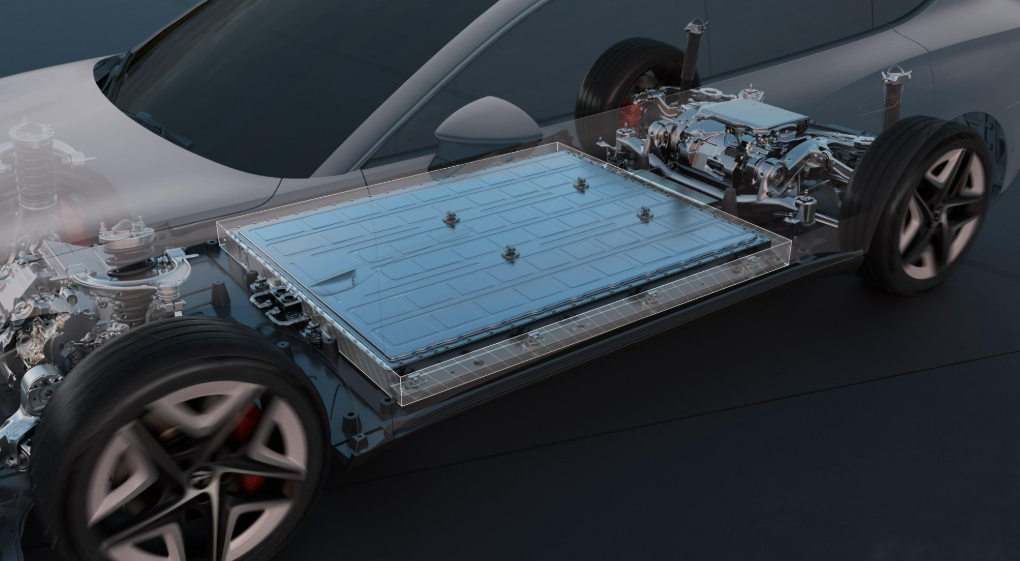
The emphasis on standards reflects a wider shift in the power battery sector. After a period of rapid expansion, the industry is moving from scale-driven growth toward quality-driven development. Power battery producers, material suppliers, equipment makers, recyclers and international partners are all expected to operate under a more complete and more demanding standards framework.
Xiong said the power battery is a core component of intelligent connected vehicles and a key support for green and low-carbon transformation and the dual carbon goals. It is also an important engine for cultivating and expanding new quality productive forces and enhancing industrial competitiveness, he said, adding that the strategic position of the power battery industry is prominent and its development prospects are broad.
1. Power Battery Standards Become a Strategic Lever for Industrial Upgrading
The conference highlighted that standards are no longer a technical appendix to industrial policy. For the power battery industry, standards increasingly determine product quality, safety, market access, recycling efficiency and international competitiveness. The power battery supply chain is complex, spanning basic materials, cell manufacturing, system integration, complete equipment and recycling. A coherent power battery standards system can connect these links and reduce fragmentation.
Xiong’s remarks signal that the next stage of power battery development will rely not only on capacity expansion but also on innovation, quality and rule-making. The power battery industry has already built a complete and efficient industrial system, and the task now is to make that system more competitive, more sustainable and more closely aligned with international rules.
The ministry’s planned work covers several connected areas. It will support upstream and downstream forces in making breakthroughs in all-solid-state batteries, sodium-ion batteries and lithium metal batteries. It will accelerate research and application of new material systems and new process structures, and coordinate improvements in power battery energy density, safety and durability.
These technology priorities are closely linked to power battery standards. New battery chemistries and new cell structures require updated test methods, safety criteria and performance evaluation rules. As the power battery industry moves toward next-generation technologies, standards must keep pace with innovation while providing a stable framework for investment and commercialization.
2. Industrial Scale Remains Globally Leading as Power Battery Output Expands
China’s power battery industry has achieved positive results through joint efforts across the industrial chain. In 2025, China’s power battery installations reached 769.7 GWh, more than a tenfold increase from 2020, further consolidating the scale advantage of the power battery sector. The figures were presented in the context of the industry’s continued expansion and its growing role in the global automotive market.
The energy density of lithium iron phosphate and ternary lithium batteries has improved significantly, while sodium-ion batteries and hybrid solid-liquid batteries have achieved industrialization. These developments show that the power battery industry is not relying on a single technology route. Instead, multiple power battery technologies are advancing in parallel, creating a broader foundation for different applications and market needs.
The industrial system is also complete and efficient. China has built a power battery industrial chain covering basic materials, cell manufacturing, system integration, complete equipment and recycling. The application of power battery products is expanding beyond vehicles to ships, aircraft and intelligent robots, according to the remarks at the conference.
| Reported Power Battery Milestone | Reported Figure or Progress | Industry Context |
|---|---|---|
| Power battery installations in 2025 | 769.7 GWh | More than a tenfold increase from 2020, further consolidating the scale advantage of the power battery industry |
| Lithium iron phosphate and ternary lithium power battery performance | Energy density improved significantly | Continued performance gains across mainstream power battery technology routes |
| Sodium-ion batteries and hybrid solid-liquid batteries | Achieved industrialization | Broadening the technology portfolio of the power battery sector |
| Power battery industrial chain | Covers basic materials, cell manufacturing, system integration, complete equipment and recycling | Applications extending to ships, aircraft and intelligent robots |
Industry experts said the power battery industry is moving from large-scale development into a deeper stage of high-quality development. Application scenarios are extending from vehicle power to emerging fields such as the low-altitude economy and embodied intelligence, opening new growth space for power battery manufacturers and suppliers.
The scale of the power battery industry provides a strong base, but it also raises expectations. As power battery penetration increases across transport, energy storage and new application fields, safety, durability, recycling and carbon performance will become more important. The power battery standards system must therefore cover the full life cycle rather than only the production stage.
3. Quality and Safety Challenges Require a More Complete Power Battery Standards System
While acknowledging the achievements, Xiong said the industry must clearly recognize that product performance still needs further improvement, new-generation battery technologies and materials still need breakthroughs, and irrational competition within the industry is prominent. These issues require serious study and response.
The challenge is not limited to any single link in the power battery chain. It involves technology, manufacturing, quality control, market order and international trade. A stronger power battery standards system can help address these challenges by setting clear requirements for safety, performance, durability, carbon footprint and recycling.
The ministry will further strengthen technological innovation and support all upstream and downstream forces to focus on breakthroughs in all-solid-state batteries, sodium-ion batteries and lithium metal batteries. It will accelerate the research and application of new material systems and new process structures, and coordinate improvements in power battery energy density, safety and durability.
For the power battery industry, these efforts are closely connected. Higher energy density must not come at the expense of safety. Longer cycle life must be supported by reliable testing and verification. Lower carbon footprints must be measured through credible methodologies. Recycling must be designed into the life cycle of power battery products from the beginning.
4. Standard Leadership Shapes the Competitive Future of the Power Battery Industry
Liu Min, chief engineer of the State Administration for Market Regulation, said standards are a form of voice and a form of competitiveness. The administration will focus on frontier tracks such as solid-state battery industrialization and carbon footprint certification, and accelerate the construction of a standards system covering the full product life cycle.
“We will use Chinese standards to define the future of the industry,” Liu said, according to the remarks at the conference. The statement underlines the growing role of standards in the power battery sector, where technical rules can influence investment decisions, market access and international cooperation.
In Liu’s view, carbon footprint management is becoming a green passport for power battery products seeking access to international markets. Green and low-carbon development has changed from a bonus item to an entry ticket. As the international trade environment becomes more complex, standards rules, infrastructure improvement and governance system construction are all key variables that will determine the future direction of the power battery industry.
The focus on a full life-cycle standards system is significant for the power battery sector. A power battery is not only a product sold at a single point in time; it is an asset that moves through manufacturing, use, repair, repurposing and recycling. Standards that cover the full life cycle can support traceability, safety management and carbon accounting across the power battery value chain.
| Power Battery Standards Priority | Policy Focus | Expected Industry Effect |
|---|---|---|
| Safety performance | Strengthen safety-related power battery standards and implementation verification | Raise quality and safety levels and support consumer confidence |
| Cycle life | Improve evaluation rules for power battery durability and service life | Support product reliability and long-term value |
| Carbon footprint | Advance carbon footprint methodologies and certification | Facilitate green market access and international cooperation |
| Recycling | Improve power battery recycling and resource recovery standards | Support full life-cycle management and resource security |
| International alignment | Promote convergence with international power battery standards | Reduce trade friction and support global supply chain stability |
5. Regulating Competition Order to Support Healthy Power Battery Market Development
The ministry will further regulate competition order by strengthening industry operation monitoring and dynamic early warning on capacity. It will carry out quality improvement actions, strengthen supervision of product consistency and quality, and firmly hold the bottom line of product quality and safety.
It will also curb low-price competition and blind expansion, and promote a healthy and orderly market environment. The measures are aimed at supporting the long-term development of the power battery industry and preventing disorderly competition from undermining quality, safety and innovation.
For the power battery sector, a healthy market environment is essential. Power battery production involves long investment cycles, complex technology and strict safety requirements. Excessive price competition can weaken the ability of companies to invest in research and development, quality control and after-sales service. Blind expansion can create capacity mismatches and pressure the entire power battery supply chain.
The call to strengthen quality supervision also reflects the growing maturity of the power battery market. As more power battery products enter vehicles, energy storage systems and new application fields, product consistency and quality stability become increasingly important. Standards and supervision must work together to ensure that power battery products meet safety and performance requirements throughout their service life.
6. Expanding Power Battery Applications Beyond Vehicles
The ministry will further expand application scenarios for power battery products. It will actively promote the large-scale application of new energy heavy trucks, explore pilot zones for zero-emission freight, promote battery swapping and vehicle-grid interaction, and encourage the expansion of power battery applications in energy storage, transportation, embodied intelligence and other fields.
The expansion of power battery applications is important for several reasons. First, it creates new demand for power battery products beyond passenger vehicles. Second, it tests power battery performance under different operating conditions. Third, it requires standards and safety rules tailored to specific use cases. Fourth, it supports the integration of power battery systems with energy networks and digital infrastructure.
Power battery applications in ships, aircraft and intelligent robots were also highlighted at the conference. These applications show that the power battery industry is not confined to road transport. As power battery technology improves, new fields can become important sources of growth and innovation.
The development of battery swapping and vehicle-grid interaction adds another dimension to the power battery industry. These models require closer coordination among power battery manufacturers, vehicle makers, energy companies and infrastructure operators. They also place new demands on power battery standards, data management and safety supervision.
7. International Cooperation and Power Battery Standards Alignment
The ministry will further deepen opening-up and cooperation. It will actively participate in the formulation of international standards and regulations for power battery products, deepen international cooperation in fields such as carbon footprint and battery passports, coordinate upstream resource security and downstream recycling, and promote the development of a more stable global power battery industrial chain and supply chain.
International alignment is particularly important for the power battery industry because power battery products and materials move across borders. Differences in standards, testing methods, carbon accounting rules and recycling requirements can increase compliance costs and create uncertainty for companies. Greater convergence can support trade, investment and technology cooperation.
The power battery sector also faces growing expectations in carbon footprint management and battery passport systems. These tools can improve transparency and traceability across the power battery life cycle, but they require reliable data, consistent methodologies and international coordination. The conference signaled that China will engage in international rule-making in these areas.
For global partners, China’s power battery standards and policy direction are closely watched. China has a large power battery industrial base and a complete supply chain. Its approach to power battery standards, carbon footprint and recycling will influence global market practices and supply chain planning.
8. Carbon Footprint and Battery Passports Reshape Power Battery Market Access
Carbon footprint management is becoming a green passport for power battery products in international markets. Green and low-carbon development has moved from a bonus item to an entry ticket. This shift means that power battery producers must pay closer attention to energy use, material sourcing, manufacturing emissions and recycling practices.
The power battery industry is energy-intensive and resource-intensive, and its carbon performance depends on the entire value chain. A credible carbon footprint system requires consistent measurement, reporting and verification. It also requires cooperation among power battery manufacturers, material suppliers, logistics providers and recyclers.
Battery passports can support this process by providing information about the origin, composition, performance and recycling status of power battery products. Such systems can improve transparency and help meet regulatory and market requirements. However, they also require data infrastructure, standard formats and international recognition.
The conference’s emphasis on carbon footprint and battery passports shows that the power battery industry is entering a phase in which non-price factors will matter more. Safety, quality, carbon performance, traceability and recycling will become part of the competitive equation for power battery companies.
9. Full Life-Cycle Approach Strengthens Power Battery Supply Chain Resilience
A full life-cycle approach is essential for the power battery industry. It begins with raw materials and extends through cell manufacturing, system integration, vehicle use, energy storage use, repair, repurposing and recycling. Each stage has implications for safety, performance, carbon emissions and resource efficiency.
The power battery supply chain is global and interconnected. Upstream resource security and downstream recycling are both important. The ministry’s plan to coordinate upstream resource security and downstream recycling reflects the need to balance growth with resource efficiency and environmental responsibility.
Power battery recycling is not only an environmental issue but also a resource issue. Recovering valuable materials from used power battery products can reduce reliance on primary resources and support the circular economy. Standards for recycling can improve safety, efficiency and environmental performance in the power battery recycling sector.
At the same time, power battery recycling requires traceability. Without reliable information about the history and condition of used power battery products, recycling and repurposing can face safety and quality risks. A full life-cycle standards system can provide the information and rules needed to manage these risks.
10. Innovation and Standards Must Advance Together in the Power Battery Sector
The power battery industry is technology-intensive, and innovation is a key driver of competitiveness. The push for all-solid-state batteries, sodium-ion batteries and lithium metal batteries shows that the industry is exploring multiple pathways toward higher performance and greater sustainability.
Standards must support rather than block innovation. They should provide a stable framework for testing, safety and performance while allowing room for new technologies to develop. This balance is particularly important for next-generation power battery technologies, which may have different characteristics from current mainstream products.
The ministry’s plan to accelerate research and application of new material systems and new process structures will require close coordination with standards development. New materials and new processes can improve power battery energy density, safety and durability, but they also need reliable evaluation methods and safety criteria.
For companies in the power battery sector, investment in standards capabilities can be as important as investment in production capacity. Participation in standards development, testing and certification can help companies anticipate regulatory changes and improve product quality.
11. Power Battery Industry Enters a New Stage of Global Competition
The global power battery market is becoming more competitive. Countries and regions are developing their own industrial policies, standards and carbon rules. In this environment, the power battery industry’s ability to align with international standards while maintaining its own strengths will be important.
China’s power battery industry has scale, a complete supply chain and a broad technology portfolio. The next challenge is to convert these advantages into sustainable competitiveness through quality, innovation, standards and international cooperation. The conference’s message suggests that the power battery sector will be guided by a more comprehensive policy framework in the coming period.
Power battery standards will influence every stage of the value chain. They will shape product design, manufacturing processes, testing and certification, market access, recycling and international trade. As a result, standards will become a key factor in the competition among power battery companies and among industrial systems.
12. Implications for Power Battery Companies and Supply Chain Partners
For power battery manufacturers, the standards push means that compliance and quality management will require greater attention. Companies will need to ensure that their power battery products meet safety, cycle life, carbon footprint and recycling requirements. They will also need to prepare for stronger implementation verification and quality supervision.
For material suppliers, the power battery standards system will create new expectations for traceability, consistency and carbon performance. Materials are a major part of the power battery value chain, and their quality and environmental attributes affect the final product. Suppliers that can provide reliable data and meet standards requirements may gain an advantage.
For equipment makers, new power battery technologies and stricter standards can create demand for advanced manufacturing and testing equipment. As power battery production becomes more sophisticated, equipment that supports precision, safety and quality control will be increasingly important.
For recyclers, the development of power battery recycling standards can support the growth of a more formal and efficient recycling industry. Clear rules can improve safety, reduce environmental risks and increase resource recovery. They can also help recyclers integrate more closely with power battery manufacturers and upstream material suppliers.
13. Power Battery Standards and the Broader Energy Transition
The power battery industry is closely linked to the broader energy transition. Power battery products support electric vehicles, energy storage systems and new applications such as ships, aircraft and intelligent robots. As the use of power battery products expands, the performance and safety of these products will affect the reliability of the wider energy and transport system.
Standards for power battery safety, cycle life and recycling can support the integration of power battery systems into energy networks. Standards for carbon footprint and battery passports can support green procurement and international market access. Standards for vehicle-grid interaction and battery swapping can support new business models and infrastructure development.
The power battery industry therefore has a role beyond manufacturing. It is part of a larger effort to build a cleaner, more efficient and more resilient energy and transport system. The standards work discussed at the conference reflects this broader perspective.
14. A Coordinated Policy Approach Supports Long-Term Power Battery Development
The conference showed that multiple policy areas are being brought together to support the power battery industry. Technological innovation, standards leadership, competition order, application expansion and international cooperation are presented as connected priorities. This coordinated approach can help the power battery sector address both short-term challenges and long-term opportunities.
Technological innovation supports the development of next-generation power battery products. Standards leadership provides a framework for quality, safety and market access. Competition order helps maintain a healthy market environment. Application expansion creates new demand. International cooperation supports global supply chain stability and rule alignment.
For the power battery industry, the combination of these priorities is significant. No single policy tool can address all the challenges facing the sector. A coordinated approach can help balance innovation, quality, safety, cost and sustainability.
15. Outlook: Standards Will Define the Next Chapter of Power Battery Growth
The power battery industry has entered a new chapter. Scale remains important, but quality, safety, innovation, carbon performance and international compatibility are becoming more important. The standards push announced at the conference reflects this shift and signals that the power battery sector will be shaped by a more complete and more demanding rule system.
As power battery standards for safety performance, cycle life, carbon footprint and recycling are developed and implemented, companies across the value chain will need to adapt. Those that invest in technology, quality and compliance may be better positioned to compete in domestic and international markets.
The power battery industry’s future will depend on its ability to innovate and to build a trusted standards system. The conference’s message is clear: power battery standards are not only about technical requirements; they are about competitiveness, market access and the long-term sustainability of the industry.
With a complete industrial chain, a large power battery market and a growing technology base, China’s power battery sector is seeking to move toward high-end, intelligent, green and international development. The standards agenda will be central to that journey, and the power battery industry will be watched closely as it turns policy priorities into practical rules and market outcomes.