
The electric vehicle market is expanding at a pace that is redrawing the competitive map of the global auto industry, but the growth of the electric vehicle sector is being accompanied by a persistent confidence challenge: consumers remain worried about battery safety. A detailed supply chain analysis of battery research and development modes and pricing strategy for electric vehicles finds that the choice between independent battery development, supplier-led battery development, and cooperative battery development has a direct bearing on the profitability of electric vehicle manufacturers and battery suppliers. The analysis also finds that consumer safety anxiety changes the price leadership and price following preferences of electric vehicle makers and fuel vehicle manufacturers, and that safety warning systems can alter demand outcomes when they are deployed at a sufficiently high level.
The findings arrive as China’s electric vehicle market continues to scale. In 2024, traditional fuel vehicle sales reached 10.226 million units, up 0.4 percent year on year, while electric vehicle sales reached 12.866 million units, up 35.5 percent, according to market data cited in the analysis. The transport sector accounts for about 15 percent of global greenhouse gas emissions, and the electric vehicle is central to efforts to reduce oil dependence and tailpipe emissions. Yet the electric vehicle is also under scrutiny because battery fires, charging failures, and thermal runaway incidents have become highly visible safety concerns. The analysis argues that battery research and development and pricing strategy cannot be separated from consumer safety anxiety if electric vehicle makers are to compete effectively against fuel vehicles.
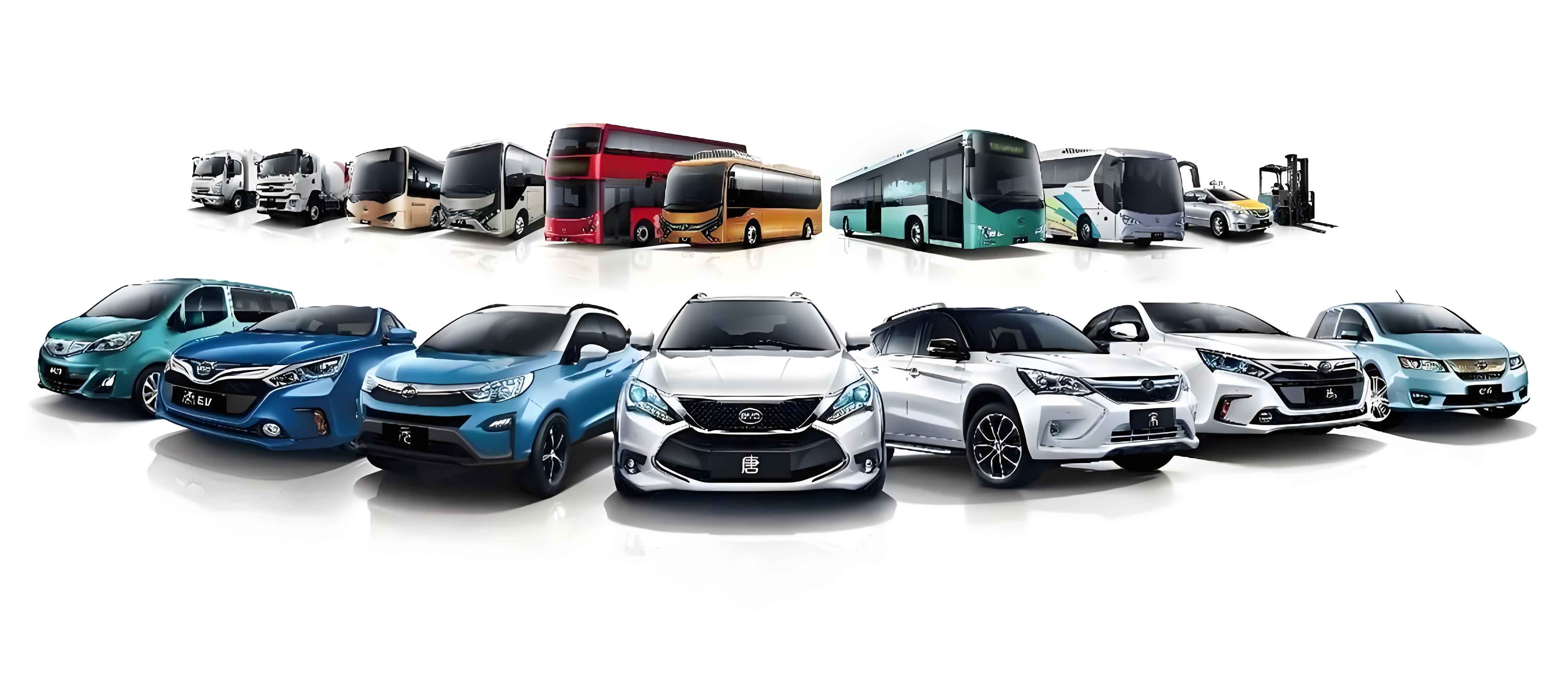
1. Electric vehicle growth meets a battery safety confidence gap
The electric vehicle is no longer a niche product in China. The scale of electric vehicle sales has moved ahead of traditional fuel vehicle sales in the data cited by the analysis, and the growth rate of the electric vehicle segment remains far higher than that of the fuel vehicle segment. This shift gives electric vehicle manufacturers a larger market to serve, but it also exposes them to a more demanding consumer base. The electric vehicle buyer is not only comparing purchase prices and driving range; the electric vehicle buyer is also assessing whether the battery pack can be trusted in a collision, in high temperatures, during charging, and while parked.
The safety record cited in the analysis explains why battery confidence has become a central issue for the electric vehicle industry. Between 2019 and 2021, more than 546 fire incidents involving new energy vehicles were recorded. About 33 percent occurred at charging stations or charging piles, and about 32 percent occurred while the vehicle was parked. In consumer surveys cited in the analysis, 81 percent of consumers worried about battery fires caused by collisions, and 67 percent worried about battery thermal runaway in high-temperature environments. In 2023, electric vehicle fire accidents rose 15 percent from the previous year, mainly because of thermal runaway. The February 23 fire in Nanjing, which caused 15 deaths and more than 33 million yuan in losses, is described in the analysis as a typical case of battery thermal runaway.
Consumer anxiety is heavily concentrated on the battery. Nearly 97 percent of consumer safety anxiety related to the electric vehicle is focused on battery safety, according to the analysis. That concentration matters for electric vehicle makers because battery safety is not a peripheral feature. The battery is the most expensive single component in many electric vehicle models, and it is also the component most closely associated with fire risk. The analysis therefore treats battery research and development as a strategic decision for the electric vehicle supply chain, not merely a technical choice for battery suppliers.
The price gap between the electric vehicle and the fuel vehicle adds another layer to the competitive problem. The analysis cites data showing that the median price of a same-class electric vehicle is about 35,000 yuan higher than that of a fuel vehicle, while the minimum price of an electric vehicle is about 37,000 yuan higher. This gap reflects the high cost of the battery pack, which can account for a large share of the electric vehicle production cost. The electric vehicle maker must decide whether to price above the fuel vehicle as a leader, follow the fuel vehicle with a lower price, or enter a simultaneous pricing game. The analysis shows that safety anxiety influences that decision because it changes how consumers value the electric vehicle relative to the fuel vehicle.
The electric vehicle price war that began in 2023 illustrates the competitive pressure. Nearly 60 electric vehicle models cut prices, according to the analysis. The electric MINI COOPER was adjusted to 148,800 yuan from 189,800 yuan, a reduction of 41,000 yuan. BYD introduced the Qin PLUS and Destroyer 05 Honor Edition at a starting price of 79,800 yuan. At the same time, some fuel vehicle brands did not follow the electric vehicle price cuts. BMW raised prices on some China models by 2,000 to 20,000 yuan, and the Audi Q5L was priced at 397,500 to 420,500 yuan, up 700 to 1,900 yuan from the prior model year. The analysis interprets these moves as evidence that price leadership and price following are strategic choices shaped by safety perceptions, cost structures, and market position.
2. Three battery R&D modes define the electric vehicle supply chain
The analysis models an electric vehicle supply chain composed of an electric vehicle manufacturer and a battery supplier. The electric vehicle manufacturer buys battery packs from the supplier and sells electric vehicles to consumers. The battery supplier produces battery packs and may also carry out battery research and development. The analysis compares three battery research and development modes: manufacturer independent research and development, supplier independent research and development, and cooperative research and development. Each mode allocates research and development costs differently, and each mode produces different profit outcomes for the electric vehicle manufacturer and the battery supplier.
In the manufacturer independent research and development mode, the electric vehicle manufacturer bears the battery research and development cost and buys battery packs from the supplier. This mode allows the electric vehicle manufacturer to control core battery technology and reduce dependence on the battery supplier. The analysis cites BYD’s second-generation Blade Battery as an example of manufacturer-led battery research and development. The battery is described as achieving higher energy density and a lower risk of thermal runaway. For the electric vehicle manufacturer, the advantage is technological control and a stronger position in the electric vehicle supply chain. The disadvantage is that the manufacturer must carry the fixed investment and the uncertain development time.
In the supplier independent research and development mode, the battery supplier decides the research and development investment and bears the research and development cost. The electric vehicle manufacturer buys the resulting battery packs and sets the electric vehicle price. The analysis cites CATL’s third-generation Kirin battery as an example. The battery is described as using a new electrolyte and composite separator technology, raising energy density to 350 Wh per kilogram and reducing the probability of thermal runaway. In this mode, the battery supplier holds the technical initiative, while the electric vehicle manufacturer benefits from the supplier’s battery expertise but may face supply risk and a weaker bargaining position.
In the cooperative research and development mode, the electric vehicle manufacturer and the battery supplier share research and development investment and jointly determine battery technology. The analysis cites Tesla and Panasonic’s joint development of the 4680 battery as an example, with a silicon-based anode, a 50 percent range improvement, and stronger thermal stability. Cooperative research and development can pool resources, reduce the fixed cost borne by each party, and improve supply chain stability. However, it also creates coordination costs and profit allocation challenges. The electric vehicle manufacturer and the battery supplier must agree on how much each side invests and how the gains from battery safety improvements are shared.
| R&D mode | Who bears the battery R&D cost | Key condition identified in the analysis | Implication for the electric vehicle supply chain |
|---|---|---|---|
| Manufacturer independent battery R&D | The electric vehicle manufacturer | When the supplier’s R&D capability is weak but the manufacturer’s R&D capability is strong, or when the supplier is strong but the manufacturer’s capability exceeds a threshold | Both parties may prefer manufacturer-led battery R&D; the electric vehicle maker controls core technology, while the supplier focuses on battery pack production efficiency |
| Supplier independent battery R&D | The battery supplier | When the supplier’s R&D capability is above a threshold | Both parties may prefer supplier-led battery R&D; the supplier exploits technical advantage, while the electric vehicle maker reduces its own R&D burden |
| Cooperative battery R&D | The electric vehicle manufacturer and the battery supplier share the cost | When both parties have low R&D capability | The electric vehicle supply chain pools resources and shares risk, but coordination and profit allocation become critical |
3. R&D capability drives the electric vehicle battery decision
The central result of the battery research and development analysis is that capability, not preference alone, determines the mode. When the electric vehicle manufacturer and the battery supplier both have strong research and development capability, each side tends to prefer independent research and development. The electric vehicle manufacturer wants to capture the technology value inside the electric vehicle brand, and the battery supplier wants to protect its technical position. Independent research and development becomes the way for each party to maximize its own profit when its capability is high.
When both parties have weak research and development capability, the result changes. The electric vehicle manufacturer and the battery supplier are more likely to choose cooperative research and development. The logic is straightforward: neither side can carry the full technical burden alone with a high probability of success, so cooperation spreads the fixed cost, combines complementary knowledge, and reduces the risk of failure. The analysis finds that cooperative research and development is the common choice only when both the electric vehicle manufacturer and the battery supplier are at a low capability level. This is a narrow but important window for electric vehicle supply chain collaboration.
The asymmetric cases are more complex. When the battery supplier’s research and development capability is weak but the electric vehicle manufacturer’s capability is strong, both parties can converge on manufacturer independent research and development. The electric vehicle manufacturer has the technical strength to lead, and the battery supplier is better off concentrating on production and supply rather than spending scarce resources on research and development it cannot efficiently conduct. The analysis also finds a second path to the same outcome: when the supplier is strong but the manufacturer’s capability is above a certain threshold, both parties may still prefer manufacturer independent research and development. In that case, the electric vehicle manufacturer has enough capability to develop high-quality battery technology itself, and the supplier can focus on its core production role.
When the battery supplier’s research and development capability is high, the preferred outcome shifts. If the electric vehicle manufacturer’s capability is low, cooperative research and development can still be attractive because the electric vehicle maker can learn from the supplier and reduce its own risk. If the electric vehicle manufacturer’s capability is medium, the analysis finds that delegating battery research and development to the supplier can become the preferred choice. The electric vehicle manufacturer avoids the fixed cost and technical risk of independent battery development, while the supplier uses its stronger capability to improve battery performance. If the electric vehicle manufacturer’s capability is high, manufacturer independent research and development returns as the preferred choice because the electric vehicle maker can protect its technology position and capture more value.
- The electric vehicle manufacturer and the battery supplier are more likely to choose independent battery R&D as their own R&D capability rises.
- The electric vehicle manufacturer and the battery supplier are more likely to choose cooperative battery R&D when both are weak.
- Manufacturer independent battery R&D can be a win-win outcome when the supplier is weak and the manufacturer is strong, or when the supplier is strong but the manufacturer exceeds a capability threshold.
- Supplier independent battery R&D can be a win-win outcome when the supplier’s capability is above a threshold.
- Cooperative battery R&D is the common choice only when both parties are at a low capability level.
4. Profit patterns in electric vehicle battery R&D
The profit results are as important as the mode choices. Under manufacturer independent research and development and supplier independent research and development, the profit of supply chain members rises as research and development capability rises. This is a positive incentive for the electric vehicle manufacturer and the battery supplier to invest in capability. A stronger electric vehicle manufacturer can develop better battery technology and sell more electric vehicles. A stronger battery supplier can improve battery performance and reduce thermal risk, which supports electric vehicle demand and strengthens the supplier’s bargaining position.
Under cooperative research and development, the profit pattern is different. The analysis finds that supply chain members’ profits decrease as research and development capability rises in the cooperative mode. This result may appear counterintuitive, but it follows from the structure of cooperative research and development. When capability is high, independent research and development allows each party to capture more of the value it creates. Cooperation requires sharing the gains and coordinating decisions, and the benefit of cooperation is strongest when both parties are weak and need pooled resources. As capability rises, the opportunity cost of cooperation increases, and the cooperative mode becomes less profitable for both the electric vehicle manufacturer and the battery supplier.
The analysis therefore identifies a set of win-win zones rather than a single universal mode. In one zone, both parties prefer manufacturer independent research and development. In another zone, both parties prefer supplier independent research and development. In a third zone, both parties prefer cooperative research and development. Outside these zones, the electric vehicle manufacturer and the battery supplier may have conflicting preferences, which makes supply chain coordination difficult. The practical lesson for the electric vehicle industry is that battery research and development strategy should be based on a realistic assessment of both parties’ capabilities, not on a fixed preference for independence or cooperation.
The numerical analysis in the research reinforces this point. In the manufacturer independent research and development scenario, the electric vehicle price, the battery pack wholesale price, the manufacturer’s profit, and the supplier’s profit change as the manufacturer’s research and development capability changes. In the supplier independent research and development scenario, the same variables respond to the supplier’s capability. The analysis also tests an extended model with research preference coefficients and finds that the coefficients change the magnitude of prices and profits but do not change the qualitative strategy direction. This result supports the robustness of the core finding: capability is the main driver of battery research and development mode selection in the electric vehicle supply chain.
5. Safety anxiety changes electric vehicle price leadership
The pricing analysis moves from the battery supply chain to the competition between an electric vehicle manufacturer and a fuel vehicle manufacturer. The electric vehicle manufacturer sells an electric vehicle at a price that reflects battery cost and safety perception. The fuel vehicle manufacturer sells a conventional vehicle with a lower production cost in the model. Consumers choose between the electric vehicle and the fuel vehicle based on driving utility, low-carbon utility, safety perception, and price. The safety perception term is central because the electric vehicle is associated with battery fire risk, while the fuel vehicle is not.
The analysis builds three pricing games: simultaneous pricing, electric vehicle manufacturer as price leader, and fuel vehicle manufacturer as price leader. It then examines how consumer safety sensitivity affects the leadership and following preferences of the electric vehicle manufacturer and the fuel vehicle manufacturer. The results show that when consumers have high trust in electric vehicle battery safety, both the electric vehicle manufacturer and the fuel vehicle manufacturer are willing to be price leaders and willing to be price followers. In that environment, the electric vehicle and the fuel vehicle are close enough in perceived safety that price positioning becomes a flexible strategic choice. A follower can use a later price move to attract consumers, while a leader can use a higher price to build product image and capture early market advantage.
When consumer safety sensitivity is low, the fuel vehicle manufacturer is more inclined to become the price leader, while the electric vehicle manufacturer is more inclined to follow. The analysis explains this through demand: safety anxiety pushes consumers toward the fuel vehicle, so the fuel vehicle manufacturer has an incentive to enter first and set a price that captures the stronger demand. The electric vehicle manufacturer prefers to follow because a later price move can partially offset the demand loss caused by safety concerns. In this setting, the electric vehicle maker uses price following as a defensive strategy, not as a sign of weakness.
The analysis also identifies a case in which the electric vehicle manufacturer chooses to be a price leader despite safety anxiety. When the electric vehicle production cost is high and consumer safety sensitivity is low, the electric vehicle maker may lose the advantage of price following because safety concerns dominate the price effect. In that case, the electric vehicle manufacturer may prefer to enter as a price leader together with the fuel vehicle manufacturer, using a higher price to compete for market position rather than relying on a late price cut. This result helps explain why some electric vehicle makers have shifted between aggressive price cuts and premium positioning as safety concerns and cost conditions have changed.
| Market condition | Electric vehicle maker preference | Fuel vehicle maker preference | Demand implication identified in the analysis |
|---|---|---|---|
| Consumers have high trust in electric vehicle battery safety | Willing to be price leader or price follower | Willing to be price leader or price follower | Both parties can flexibly use leadership or following to improve profit |
| Consumer safety sensitivity is low | More inclined to follow the price | More inclined to lead the price | Fuel vehicle demand benefits from safety anxiety; electric vehicle maker uses price following to reduce the demand loss |
| Electric vehicle production cost is high and safety sensitivity is low | May choose to be a price leader | May choose to be a price leader | The electric vehicle maker loses the late-mover price advantage and competes through leadership positioning |
6. Safety warning systems become a pricing and demand lever
The analysis next introduces a safety warning system into the electric vehicle pricing model. The warning system is represented as an investment that raises consumer utility for the electric vehicle by reducing perceived safety risk. The electric vehicle manufacturer pays an investment cost, and the investment level affects both the electric vehicle price and the demand for the electric vehicle and the fuel vehicle. The analysis places this investment in the context of real industry practice: electric vehicle makers and research institutions are using vehicle monitoring data, battery fault diagnosis, and artificial intelligence algorithms to detect battery abnormalities before a dangerous event occurs.
The research cites examples of safety warning system development. FAW-Volkswagen has used a deep neural network algorithm to improve power battery data analysis and warning capability, aiming to observe each vehicle independently and lock in abnormal conditions before danger occurs. Geely has used a multi-dimensional fusion AI decision algorithm that combines battery mechanisms, mathematical statistics, and machine learning. The analysis cites a warning accuracy rate of more than 90 percent for that algorithm, with a lower rate of fault misjudgment. These examples show that safety warning systems are not a theoretical add-on to the electric vehicle; they are becoming part of the electric vehicle product and service package.
The pricing results show that safety warning system investment changes the leadership game. When the electric vehicle manufacturer’s safety warning investment level is high, both the electric vehicle manufacturer and the fuel vehicle manufacturer are willing to enter the market as price leaders or price followers. A high warning investment reduces consumer safety anxiety enough that the electric vehicle can compete on price without being pushed into a defensive follower position. However, when consumer safety sensitivity is low and the warning investment is moderate, the electric vehicle manufacturer may choose a price following strategy. In that case, the warning investment is not high enough to remove safety anxiety, so the electric vehicle maker relies on a later price move to attract consumers.
When the warning investment is insufficient, the electric vehicle manufacturer may choose to enter as a price leader together with the fuel vehicle manufacturer. The analysis explains that the electric vehicle maker cannot rely on the warning system to attract consumers, and the late-mover price advantage is not enough to offset the safety-driven demand loss. The electric vehicle maker therefore uses a higher price and leadership positioning to compete for market share. The result is a nuanced view of safety technology: a safety warning system can support a more aggressive electric vehicle pricing strategy only when the investment is high enough to change consumer perception. A partial investment may not be enough to shift the market outcome.
| Warning system investment and safety condition | Electric vehicle pricing posture | Fuel vehicle response | Electric vehicle demand effect |
|---|---|---|---|
| High safety warning investment | Willing to lead or follow | Willing to lead or follow | Safety anxiety is reduced, and the electric vehicle can compete more effectively on price |
| Low consumer safety sensitivity and moderate warning investment | More likely to follow | More likely to lead | The warning investment is not enough to remove safety anxiety, so the electric vehicle maker uses price following |
| Insufficient warning investment | May choose leadership with the fuel vehicle maker | May choose leadership | The electric vehicle maker cannot rely on the warning system and uses price leadership to defend market position |
7. Demand outcomes favor the fuel vehicle in some games and the electric vehicle in others
The demand comparison shows that safety anxiety does not produce a single market outcome. When the electric vehicle manufacturer has no safety warning system and both manufacturers make simultaneous pricing decisions, the fuel vehicle demand is greater than the electric vehicle demand. The safety concern lowers the electric vehicle’s perceived value, and the electric vehicle loses the price advantage it might have had in a market without safety anxiety. This result is consistent with the observed pressure on electric vehicle sales when battery safety incidents receive widespread public attention.
In sequential games, the outcome depends on safety sensitivity. When the fuel vehicle manufacturer leads and consumer safety sensitivity is high, the electric vehicle demand can be higher than the fuel vehicle demand if the electric vehicle maker follows with a price that attracts consumers. When safety sensitivity is lower, the fuel vehicle demand is higher. In the game where the electric vehicle manufacturer leads, the electric vehicle demand can also exceed the fuel vehicle demand when safety sensitivity is high, because the electric vehicle maker uses leadership pricing and the consumer’s safety perception is relatively favorable. These results show that the electric vehicle is not always the demand loser in a safety-anxiety market; the pricing sequence and the level of safety sensitivity determine the outcome.
When the electric vehicle manufacturer introduces a safety warning system, the demand outcome depends on both the investment level and safety sensitivity. When the warning investment is high, consumers are more likely to choose the electric vehicle because the safety warning system reduces perceived risk. When the warning investment is moderate and safety sensitivity is low, the fuel vehicle demand can be higher than the electric vehicle demand. The analysis therefore treats the safety warning system as a threshold technology: it must be strong enough to change consumer perception, or it will not reverse the demand advantage of the fuel vehicle.
These demand results have direct implications for electric vehicle pricing. An electric vehicle maker with a strong safety warning system can consider price leadership or a more confident price position. An electric vehicle maker with a weak or moderate safety warning system may need to use price following to compensate for consumer anxiety. A fuel vehicle manufacturer, by contrast, can lean on safety perceptions when consumer anxiety is high and can use price leadership to capture demand. The competition between the electric vehicle and the fuel vehicle is therefore not only a cost competition; it is a competition over safety confidence and price timing.
8. Managerial lessons for the electric vehicle industry
The first lesson is that electric vehicle manufacturers and battery suppliers should build a capability-based approach to battery research and development. The analysis does not support a blanket preference for independent research and development or cooperative research and development. The electric vehicle manufacturer and the battery supplier should assess their own research and development capability, the supplier’s capability, and the strategic value of battery technology before choosing a mode. When one side is clearly stronger, that side may need to lead. When both sides are weak, cooperation can be the most practical route to battery safety improvement.
The second lesson is that cooperative research and development is not a universal solution. Cooperation is most valuable when both parties are at a low capability level and need to share fixed costs and technical risk. As capability rises, independent research and development becomes more attractive because each party can capture more of the value it creates. The electric vehicle manufacturer and the battery supplier should therefore review their research and development mode as their capabilities evolve. A cooperative arrangement that is appropriate at an early stage may become less effective when both parties have built stronger technical teams.
The third lesson is that research and development capability affects bargaining power and profit distribution in the electric vehicle supply chain. A stronger electric vehicle manufacturer can demand better terms from the battery supplier, and a stronger battery supplier can capture more value from the electric vehicle manufacturer. The analysis shows that under independent research and development, profits rise with research and development capability. This gives both parties an incentive to invest in capability, but it also means that capability gaps can create tension in the electric vehicle supply chain. Long-term contracts, technology licensing, and joint testing may help manage that tension.
The fourth lesson is that electric vehicle makers should treat consumer safety anxiety as a core pricing variable. When consumers trust electric vehicle battery safety, the electric vehicle maker can choose between price leadership and price following. When safety anxiety is high, the electric vehicle maker may need to follow the fuel vehicle’s price to reduce the demand loss. When the electric vehicle production cost is high and safety sensitivity is low, the electric vehicle maker may need to lead with a higher price to protect brand position. The pricing decision should therefore be linked to safety communication, battery technology, and warning system investment.
The fifth lesson is that safety warning system investment must be large enough to change consumer perception. A moderate investment may not be sufficient to remove safety anxiety, and in some cases it may leave the electric vehicle maker in a weaker pricing position. The analysis suggests that electric vehicle makers should either commit to a high level of safety warning investment or avoid relying on a partial warning system to support a premium price. The warning system should be integrated with battery research and development, after-sales service, and consumer education so that the electric vehicle buyer receives a consistent safety signal.
9. Outlook for electric vehicle battery and pricing research
The analysis points to several areas for further work. Future research can extend the safety technology scope beyond battery warning systems to other safety technologies and can examine how government policies and regulations affect consumer safety perception. The electric vehicle market is shaped by policy, infrastructure, and public trust, and these factors interact with battery technology and pricing strategy. A broader model could include charging convenience, subsidy design, and battery recycling, all of which may influence the electric vehicle purchase decision.
Another direction is to study consumer preferences for multiple electric vehicle attributes. The current analysis focuses on safety anxiety, but electric vehicle buyers also care about driving range, charging convenience, resale value, and environmental benefits. These attributes may interact with safety perception. For example, a longer-range electric vehicle may be valued more highly when charging infrastructure is dense, and a stronger safety warning system may be valued more highly when public attention to battery fires is high. Future work can incorporate these multi-dimensional preferences into the pricing game between the electric vehicle and the fuel vehicle.
The electric vehicle industry is moving from early adoption to mass market competition. In that transition, battery safety is not only an engineering issue; it is a market issue that affects demand, pricing, and supply chain structure. The analysis shows that the electric vehicle manufacturer and the battery supplier can improve outcomes by matching research and development mode to capability, by investing in safety warning systems at a meaningful level, and by adjusting price leadership and following to consumer safety sensitivity. The electric vehicle that wins in this environment will be the one that combines credible battery safety, efficient research and development, and a pricing strategy that reflects consumer anxiety rather than ignoring it.
The competitive stakes are high because the electric vehicle is competing directly with the fuel vehicle in the same showrooms and against the same consumer budgets. The fuel vehicle benefits when safety anxiety rises, but the fuel vehicle also faces pressure from electric vehicle price cuts and technology improvements. The electric vehicle benefits when battery safety improves and when safety warning systems are strong enough to earn consumer trust. The analysis suggests that the balance between the electric vehicle and the fuel vehicle will continue to shift as battery research and development capability, safety technology, and pricing strategy evolve. For electric vehicle makers and battery suppliers, the strategic task is to turn safety from a source of anxiety into a source of competitive advantage.