
YIBIN, Sept. 1, 2026 — Yibin Borui Supply Chain Management Co., Ltd. is deepening its role in the power battery industrial chain by linking raw material warehousing, production support, finished-product short-haul transport and digital supply chain coordination, according to remarks delivered at the Yibin Service Industry Conference on Aug. 31.
Liu Wei, general manager of Yibin Borui, addressed the conference on how logistics services can support manufacturing cost reduction and efficiency improvement. The company, a national 3A logistics enterprise and a strategic partner of CATL, has positioned itself as an integrated logistics service provider for the power battery sector in Yibin and the broader Sichuan region.
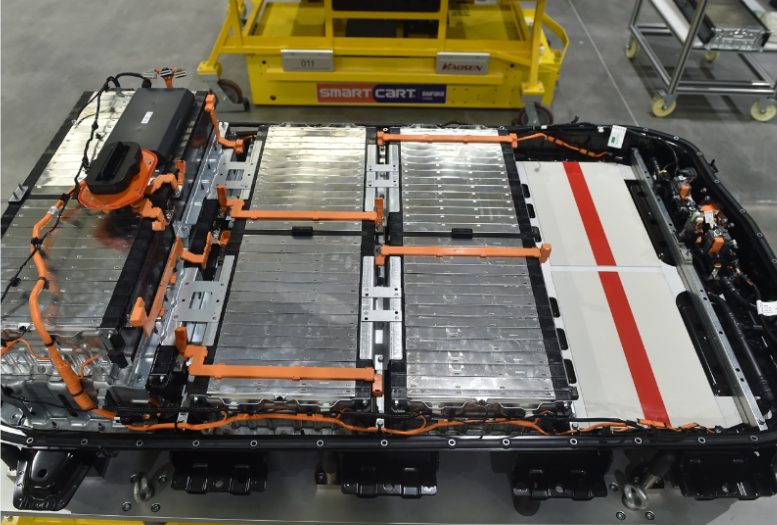
In his remarks, Liu said that following the layout of Sichuan Times and settling in Yibin was one of the company’s most correct choices. That decision has allowed Yibin Borui to build a logistics model closely tied to the power battery industry, with operations designed around the specific requirements of power battery raw materials, production flows and finished-product distribution.
Yibin Borui currently handles 70% of raw material warehousing and 100% of finished-product short-haul transport for key enterprises including Sichuan Times, Times Geely and Yibin Libao. The company has also connected its WMS and TMS systems with manufacturing enterprises’ production-sales systems to support inventory co-management and smart replenishment. According to the remarks, this integration has helped manufacturing enterprises improve turnover efficiency by at least 1 percentage point.
The company is also using operational data to link with financial institutions. Through this data-based coordination, upstream and downstream small and medium-sized logistics companies have seen their payment collection cycle improve by at least 60 days, easing financial pressure across the power battery supply chain.
In the first half of 2026, Yibin Borui reported revenue of more than 26 million yuan, up 11% year on year. The company has more than 400 employees, most of whom are from the local area, contributing to local employment while supporting the power battery logistics system.
- Power Battery Logistics Integration Becomes a Focus at the Yibin Service Industry Conference
The Yibin Service Industry Conference brought together representatives from service industries and manufacturing sectors to discuss how service capacity can support industrial upgrading. For the power battery industry, logistics is not a peripheral function but a core part of production continuity, inventory management and delivery reliability. Yibin Borui’s presentation focused on this relationship between logistics services and manufacturing efficiency.
Liu Wei’s remarks placed Yibin Borui’s work in the context of the power battery industrial chain. The company’s operations are tied to the movement of raw materials, the rhythm of production and the dispatch of finished products. In the power battery sector, these movements require close coordination because raw materials, intermediate materials and finished products must be handled according to production schedules and customer delivery requirements. Yibin Borui’s model seeks to connect these stages through one logistics service framework.
The company’s status as a national 3A logistics enterprise and a CATL strategic partner provides a foundation for its role in the power battery supply chain. Its work with Sichuan Times, Times Geely and Yibin Libao shows how logistics providers can operate within the specific requirements of power battery manufacturing. The conference discussion therefore highlighted a practical case of service industry integration with advanced manufacturing.
- A Strategic Bet on Yibin and the Power Battery Industrial Chain
Yibin Borui’s decision to settle in Yibin followed the layout of Sichuan Times, a move that placed the company close to a major node in the power battery supply chain. According to Liu Wei, this was one of the company’s most correct choices. The statement reflects the importance of geographic proximity and industrial alignment in power battery logistics.
For a logistics company serving the power battery industry, location affects transport distance, response time, warehousing configuration and coordination with manufacturing enterprises. By establishing operations in Yibin, Yibin Borui can support power battery raw material warehousing and finished-product short-haul transport within a concentrated industrial environment. This proximity is particularly relevant for power battery production, where material flows and delivery schedules must be managed with precision.
Yibin Borui’s integration into the power battery chain is not limited to transport. The company’s role includes warehousing, inventory coordination and data linkage with manufacturing enterprises. This broader service scope allows it to participate in the power battery industry’s efforts to reduce logistics friction and improve overall supply chain efficiency.
The company’s strategic position also supports the development of Yibin as a power battery industrial base. As power battery enterprises expand production and adjust their supply chain arrangements, logistics providers that understand the sector’s operational requirements can help maintain continuity. Yibin Borui’s experience illustrates how a logistics enterprise can grow alongside the power battery industry.
- Full-Process Logistics for Power Battery Raw Materials, Production and Finished Products
Yibin Borui’s service model covers the main stages of power battery logistics: raw material entry, production support and finished-product outbound movement. The company is focusing on the full-process logistics links around the power battery industry and is seeking to optimize vehicle transport, warehousing and distribution, circular packaging and multimodal transport.
Raw material warehousing is a critical starting point in the power battery supply chain. Materials must be stored, managed and released in line with production plans. Yibin Borui’s handling of raw material warehousing for key enterprises shows how logistics providers can support the front end of power battery manufacturing. Efficient warehousing helps manufacturing enterprises maintain material availability while avoiding unnecessary inventory buildup.
Production support requires coordination between logistics operations and manufacturing schedules. In the power battery sector, production flows depend on timely material supply and accurate inventory information. By connecting logistics systems with manufacturing enterprises’ production-sales systems, Yibin Borui supports inventory co-management and smart replenishment. These functions help align logistics activity with the actual needs of power battery production.
Finished-product short-haul transport is another key link in the power battery logistics chain. Yibin Borui handles 100% of finished-product short-haul transport for key enterprises including Sichuan Times, Times Geely and Yibin Libao. This role requires close coordination with production and delivery schedules so that finished power battery products can move efficiently from production sites to subsequent logistics nodes.
The company’s planned optimization of vehicle transport, warehousing and distribution, circular packaging and multimodal transport extends its full-process power battery logistics model. These areas are directly related to cost, efficiency and service reliability in the power battery supply chain. By improving each link, Yibin Borui aims to support manufacturing enterprises in reducing logistics costs and increasing operational efficiency.
- Digital Integration Through WMS and TMS Supports Power Battery Inventory Coordination
Yibin Borui has connected its WMS and TMS systems with manufacturing enterprises’ production-sales systems. WMS refers to warehouse management systems, while TMS refers to transportation management systems. The integration of these systems supports inventory co-management and smart replenishment, according to the company’s remarks at the conference.
In the power battery industry, inventory visibility is important because raw materials, components and finished products move through multiple stages. A warehouse management system helps track storage and material flow, while a transportation management system helps coordinate vehicle movement and delivery. When these systems are connected with manufacturing enterprises’ production-sales systems, logistics activity can be aligned more closely with production plans and sales requirements.
The result, according to the remarks, is an improvement in manufacturing enterprises’ turnover efficiency of at least 1 percentage point. This improvement reflects the role of digital coordination in the power battery supply chain. By sharing inventory information and supporting smart replenishment, Yibin Borui helps manufacturing enterprises respond to production needs while managing inventory levels.
Inventory co-management is particularly relevant to power battery logistics because the sector requires coordination across raw material suppliers, production sites and finished-product distribution. A logistics provider that can connect warehouse and transport data with production-sales data can help reduce information delays and improve the flow of materials. Yibin Borui’s digital integration therefore supports both logistics efficiency and manufacturing efficiency in the power battery chain.
The use of WMS and TMS systems also supports the company’s broader goal of building a full-process logistics service for the power battery industry. Digital tools allow logistics operations to be managed as an integrated process rather than a series of separate steps. For power battery manufacturing enterprises, this integration can contribute to more predictable material flows and more efficient inventory turnover.
- Data-Linked Finance Eases Pressure Across the Power Battery Supply Chain
Yibin Borui is also using operational data to link with financial institutions. This data-based connection supports upstream and downstream small and medium-sized logistics companies in the power battery supply chain. According to the remarks, the payment collection cycle for these companies has improved by at least 60 days.
For small and medium-sized logistics companies serving the power battery industry, cash flow is closely tied to payment cycles. When payment collection improves, these companies have greater certainty in managing operations, vehicle scheduling and working capital. Yibin Borui’s data linkage with financial institutions therefore addresses a practical challenge in the power battery logistics chain.
The improvement of at least 60 days in the payment collection cycle reflects the value of operational data in supply chain finance. By using logistics and transaction data, financial institutions can better understand the operational context of small and medium-sized logistics companies in the power battery sector. This can support more efficient financial arrangements and reduce pressure across the chain.
Financial pressure in the power battery supply chain is not limited to manufacturers. Logistics companies that handle transport, warehousing and distribution also require stable cash flow to maintain service capacity. Yibin Borui’s effort to link operational data with financial institutions therefore contributes to the stability of the power battery logistics ecosystem.
The company’s approach shows how logistics service providers can play a broader role in the power battery industry. Beyond moving materials and products, they can support information flow and financial coordination. For the power battery supply chain, this broader role can help improve resilience and efficiency.
- Power Battery Logistics Performance Snapshot
The remarks at the Yibin Service Industry Conference provided a set of performance indicators for Yibin Borui’s power battery logistics operations. The table below summarizes the reported levels without adding estimates beyond the information disclosed at the conference.
Reported Power Battery Logistics Performance Snapshot Power Battery Logistics Metric Reported Level Scope Raw material warehousing handled for key enterprises 70% Key enterprises including Sichuan Times, Times Geely and Yibin Libao Finished-product short-haul transport handled for key enterprises 100% Key enterprises including Sichuan Times, Times Geely and Yibin Libao Manufacturing enterprise turnover efficiency improvement At least 1 percentage point Through WMS and TMS integration with production-sales systems, inventory co-management and smart replenishment Payment collection cycle improvement for upstream and downstream small and medium-sized logistics companies At least 60 days Through operational data linkage with financial institutions Revenue in the first half of 2026 More than 26 million yuan Company performance Year-on-year revenue growth in the first half of 2026 11% Company performance Employees More than 400 Most from the local area The table reflects the company’s role in the power battery logistics chain. It shows how warehousing, transport, digital integration and financial linkage come together in a service model aimed at manufacturing cost reduction and efficiency improvement. The indicators also demonstrate the company’s contribution to local employment and the power battery industrial ecosystem in Yibin.
- Supporting Manufacturing Cost Reduction and Efficiency Improvement in the Power Battery Sector
Yibin Borui’s work is closely connected to the goal of helping manufacturing enterprises reduce costs and increase efficiency. In the power battery industry, logistics costs and inventory efficiency affect the overall performance of manufacturing operations. By handling raw material warehousing, finished-product short-haul transport and inventory coordination, the company supports manufacturing enterprises in focusing on production while maintaining material flow.
The integration of WMS and TMS systems with production-sales systems allows logistics activity to respond to manufacturing needs. Inventory co-management and smart replenishment can reduce the gap between material supply and production demand. According to the remarks, this has helped manufacturing enterprises improve turnover efficiency by at least 1 percentage point. Even a modest improvement in turnover efficiency can be meaningful in a complex power battery supply chain.
Cost reduction in the power battery sector is not achieved through a single measure. It requires coordination across warehousing, transport, inventory management and financial arrangements. Yibin Borui’s full-process logistics model addresses these areas together. By optimizing vehicle transport, warehousing and distribution, circular packaging and multimodal transport, the company aims to reduce friction in the power battery logistics chain.
Efficiency improvement also depends on information flow. When logistics systems are connected with manufacturing systems, inventory and transport data can be used to support decisions. This helps reduce manual coordination and improves the alignment between logistics capacity and production schedules. For power battery manufacturing enterprises, such alignment supports stable operations and better use of resources.
The company’s role in data-linked finance further supports supply chain efficiency. When small and medium-sized logistics companies in the power battery chain see their payment collection cycle improve by at least 60 days, they can manage working capital with greater certainty. This contributes to the stability of logistics services that power battery manufacturers rely on.
- Local Employment and the Power Battery Logistics Ecosystem
Yibin Borui’s workforce includes more than 400 employees, most of whom are from the local area. This local employment base supports the company’s power battery logistics operations and contributes to the broader development of Yibin’s service industry. As the power battery industry grows, logistics employment can become an important part of the local economic ecosystem.
Local employees are involved in warehousing, transport coordination, inventory management and other logistics functions that support the power battery supply chain. Their presence helps the company maintain operational continuity and respond to the needs of manufacturing enterprises in the region. The company’s staffing model therefore connects local employment with the power battery industrial chain.
The development of a power battery logistics ecosystem in Yibin depends on both infrastructure and human resources. Yibin Borui’s local workforce provides a foundation for service delivery in the power battery sector. As the company continues to optimize its operations, skills related to digital systems, inventory coordination and multimodal transport will become increasingly relevant.
Local employment also strengthens the relationship between the service industry and the power battery manufacturing base. When logistics companies hire locally, they build operational knowledge of the region and its industrial requirements. This can support more responsive service for power battery enterprises and contribute to the resilience of the local supply chain.
- Next Steps: Deepening Full-Chain Power Battery Logistics in Yibin
Looking ahead, Yibin Borui plans to anchor its positioning around the principle of being based in Yibin and deeply cultivating the industry. The company will focus on the full-process logistics links of power battery raw material entry, production and finished-product outbound movement. This approach is intended to strengthen its role in the power battery industrial chain.
The company plans to continue optimizing vehicle transport, warehousing and distribution, circular packaging and multimodal transport. These areas cover key logistics functions in the power battery supply chain. Vehicle transport supports the movement of materials and products; warehousing and distribution support inventory management and delivery; circular packaging can improve the efficiency of packaging use; and multimodal transport can connect different transport modes within the power battery logistics network.
By optimizing these links, Yibin Borui aims to build a more complete logistics service system for the power battery industry. The company’s focus on full-process logistics reflects the need for coordination across different stages of the power battery supply chain. Raw material entry, production support and finished-product outbound movement are interconnected, and improvements in one area can affect the efficiency of others.
The company also plans to deepen its digital and green transformation. Digital transformation supports data connectivity, inventory coordination and transport management in the power battery chain. Green transformation supports more sustainable logistics operations. Together, these efforts align with the goal of building a full-chain supporting system for the power battery industry.
Yibin Borui’s future plans are closely tied to Yibin’s position as a power battery industrial base. As the power battery sector continues to develop, logistics services must adapt to changing production requirements and supply chain arrangements. The company’s stated direction shows a commitment to supporting the power battery industry through integrated, digital and sustainable logistics services.
- Digital and Green Transformation in Power Battery Logistics
Yibin Borui’s plan to deepen digital and green transformation is directly relevant to the power battery logistics sector. Digital systems such as WMS and TMS support visibility and coordination, while green transformation addresses the environmental dimension of logistics operations. For the power battery industry, both dimensions are part of building a modern supply chain.
Digital transformation in power battery logistics involves the use of data to connect warehousing, transport and inventory management. Yibin Borui has already connected its WMS and TMS systems with manufacturing enterprises’ production-sales systems to support inventory co-management and smart replenishment. Further digital development can strengthen this integration and support more efficient power battery logistics operations.
Green transformation in the power battery supply chain can involve optimizing transport flows, improving packaging arrangements and coordinating logistics resources. Yibin Borui’s planned work in circular packaging and multimodal transport reflects this direction. These areas can support more efficient use of resources in the power battery logistics chain while maintaining service reliability.
The combination of digital and green transformation supports the goal of building a full-chain supporting system for the power battery industry. Digital tools provide the information basis for coordination, while green measures address resource efficiency. Together, they contribute to a logistics model that can support the long-term development of the power battery sector in Yibin.
For manufacturing enterprises in the power battery industry, logistics partners that invest in digital and green capabilities can offer more integrated support. Yibin Borui’s stated plans therefore reflect a broader trend in power battery logistics: the shift toward data-driven, resource-efficient and full-process service models.
- Yibin’s Power Battery Brand and the Role of the 2026 World Power Battery Conference
Yibin Borui’s future work is also linked to the city’s efforts to strengthen its identity as China’s Power Battery Capital. The company plans to leverage the 2026 World Power Battery Conference to contribute to this brand. For Yibin, the power battery industry is a central part of its industrial development, and logistics services are an important supporting element.
The 2026 World Power Battery Conference is expected to bring attention to the power battery industry and its supply chain. Yibin Borui’s participation in the power battery logistics chain positions it to contribute to the city’s broader industrial image. By providing full-process logistics services for power battery raw materials, production and finished products, the company supports the operational foundation behind the city’s power battery brand.
Yibin’s power battery brand depends not only on manufacturing capacity but also on the supporting service system. Logistics, warehousing, transport and supply chain finance are part of this system. Yibin Borui’s work shows how service industry companies can contribute to the power battery industrial ecosystem and help strengthen Yibin’s position in the sector.
The company’s plan to deepen its digital and green transformation also aligns with the image of a modern power battery industrial base. As the power battery sector evolves, cities and companies are paying greater attention to supply chain efficiency, data connectivity and sustainable operations. Yibin Borui’s stated direction reflects these priorities.
Against this background, the 2026 World Power Battery Conference provides an opportunity to highlight the role of logistics in the power battery industry. Yibin Borui’s experience in connecting WMS and TMS systems, supporting inventory co-management and improving payment collection cycles for small and medium-sized logistics companies illustrates the practical dimensions of power battery supply chain development.
- Why Full-Process Power Battery Logistics Matters for Manufacturing
Full-process logistics matters for power battery manufacturing because the industry requires coordination across multiple stages. Raw materials must be available for production; inventory must be managed efficiently; finished products must be moved to the next stage of the supply chain; and financial flows must support the companies involved. A logistics provider that can connect these stages can help reduce friction and improve overall efficiency.
Yibin Borui’s model covers raw material warehousing, production support and finished-product short-haul transport. Its digital integration supports inventory co-management and smart replenishment, while its data linkage with financial institutions supports small and medium-sized logistics companies in the power battery chain. This combination reflects a full-process approach to power battery logistics.
For manufacturing enterprises, the value of full-process logistics lies in coordination. When logistics systems are connected with production-sales systems, inventory and transport decisions can be made with better information. This supports turnover efficiency and helps manufacturing enterprises manage the relationship between material supply and production demand.
For the power battery supply chain as a whole, full-process logistics supports stability. Logistics companies that understand the sector’s requirements can respond to changes in production schedules and delivery needs. They can also support the financial stability of smaller logistics companies through data-based coordination with financial institutions.
Yibin Borui’s experience therefore illustrates how logistics services can contribute to manufacturing cost reduction and efficiency improvement in the power battery industry. The company’s focus on full-process logistics, digital integration and financial linkage provides a practical example of service industry support for advanced manufacturing.
- A Service Industry Model for Power Battery Supply Chain Coordination
The Yibin Service Industry Conference provided a platform for discussing how service industries can support manufacturing. Yibin Borui’s presentation focused on logistics services for the power battery industry, showing how a service provider can integrate with manufacturing enterprises and contribute to supply chain efficiency.
In the power battery sector, service industry coordination involves warehousing, transport, inventory management, data systems and finance. Yibin Borui’s operations connect these elements through its WMS and TMS systems, its inventory co-management and smart replenishment functions, and its data linkage with financial institutions. This integrated approach reflects the role of service industries in supporting complex manufacturing chains.
The company’s work with key enterprises including Sichuan Times, Times Geely and Yibin Libao demonstrates its position in the power battery supply chain. By handling a substantial share of raw material warehousing and finished-product short-haul transport for these enterprises, Yibin Borui supports the operational flow of the power battery industry in Yibin.
The service industry model also has local economic significance. Yibin Borui’s more than 400 employees, most from the local area, connect the company’s power battery logistics operations with local employment. The company’s revenue growth in the first half of 2026 further reflects its development within the power battery service ecosystem.
As Yibin continues to develop its power battery industrial base, service industry companies like Yibin Borui can play a supporting role. Their ability to coordinate logistics, data and finance across the power battery chain contributes to the broader goal of manufacturing cost reduction and efficiency improvement.
- Power Battery Logistics and the Future of Yibin’s Industrial Development
Yibin Borui’s plans for the future are closely connected to Yibin’s industrial development. The company intends to remain based in Yibin and deepen its work in the power battery industry. Its focus on full-process logistics, digital transformation and green transformation aligns with the city’s efforts to build a complete power battery industrial ecosystem.
The power battery industry requires supporting services that can handle raw materials, production flows and finished products. Yibin Borui’s logistics model addresses these requirements through warehousing, transport, inventory coordination and data integration. As the power battery sector develops, the company’s ability to optimize these links will be important for its service capacity.
Yibin’s position as a power battery industrial base also depends on the efficiency of its supply chain. Logistics providers that can connect different stages of the power battery chain help reduce friction and improve coordination. Yibin Borui’s work with manufacturing enterprises and small and medium-sized logistics companies shows how this coordination can operate in practice.
The company’s planned optimization of vehicle transport, warehousing and distribution, circular packaging and multimodal transport reflects a focus on the full logistics process. These areas are relevant to power battery logistics because they cover the movement of materials and products across different stages. By improving these areas, Yibin Borui aims to support the power battery industry’s cost and efficiency goals.
In the broader context, the development of power battery logistics services can contribute to Yibin’s industrial identity. A strong power battery supply chain requires not only production capacity but also logistics, data and financial coordination. Yibin Borui’s stated direction reflects this understanding and supports the city’s efforts to strengthen its power battery brand.
- Conclusion: Power Battery Logistics as a Driver of Manufacturing Efficiency
Yibin Borui’s remarks at the Yibin Service Industry Conference outlined a practical model for power battery logistics. The company connects raw material warehousing, production support and finished-product short-haul transport for key enterprises in the power battery industry. It uses WMS and TMS integration to support inventory co-management and smart replenishment, and it uses operational data to link with financial institutions and improve payment collection cycles for small and medium-sized logistics companies.
The reported results include handling 70% of raw material warehousing and 100% of finished-product short-haul transport for key enterprises including Sichuan Times, Times Geely and Yibin Libao; helping manufacturing enterprises improve turnover efficiency by at least 1 percentage point; improving the payment collection cycle for upstream and downstream small and medium-sized logistics companies by at least 60 days; reporting revenue of more than 26 million yuan in the first half of 2026, up 11% year on year; and employing more than 400 people, most from the local area.
Looking ahead, Yibin Borui plans to continue optimizing vehicle transport, warehousing and distribution, circular packaging and multimodal transport. It also plans to deepen digital and green transformation and build a full-chain supporting system for the power battery industry. The company intends to leverage the 2026 World Power Battery Conference to contribute to Yibin’s efforts to strengthen its identity as China’s Power Battery Capital.
For the power battery industry, the case highlights the role of logistics in manufacturing cost reduction and efficiency improvement. Power battery production depends on coordinated material flows, inventory management and delivery operations. A logistics provider that can integrate these functions with manufacturing systems and financial arrangements can support the stability and efficiency of the power battery supply chain.
Yibin Borui’s work therefore reflects a broader direction for power battery logistics in Yibin: full-process service, digital coordination, financial linkage and sustainable operations. As the power battery industry continues to develop, these capabilities will remain central to supporting manufacturing enterprises and strengthening the power battery industrial ecosystem.