
In recent years, solid-state lithium batteries have gained immense attention due to their high energy density, long cycle life, and superior safety compared to conventional liquid electrolyte batteries. The core of a solid-state battery lies in the use of solid electrolytes, which replace traditional liquid electrolytes and separators, mitigating risks such as leakage and thermal runaway. However, lithium metal anodes, often employed in solid-state batteries for their high theoretical capacity, still suffer from issues like dendrite formation, poor air stability, and interfacial instability. These challenges hinder the widespread commercialization of solid-state batteries. Our research focuses on enhancing the air stability and electrochemical performance of lithium metal anodes through a modified coating approach, aiming to advance the practical application of solid-state batteries. This study details the preparation of modified lithium sheets via UV light curing and evaluates their physical and electrochemical properties in solid-state battery configurations.
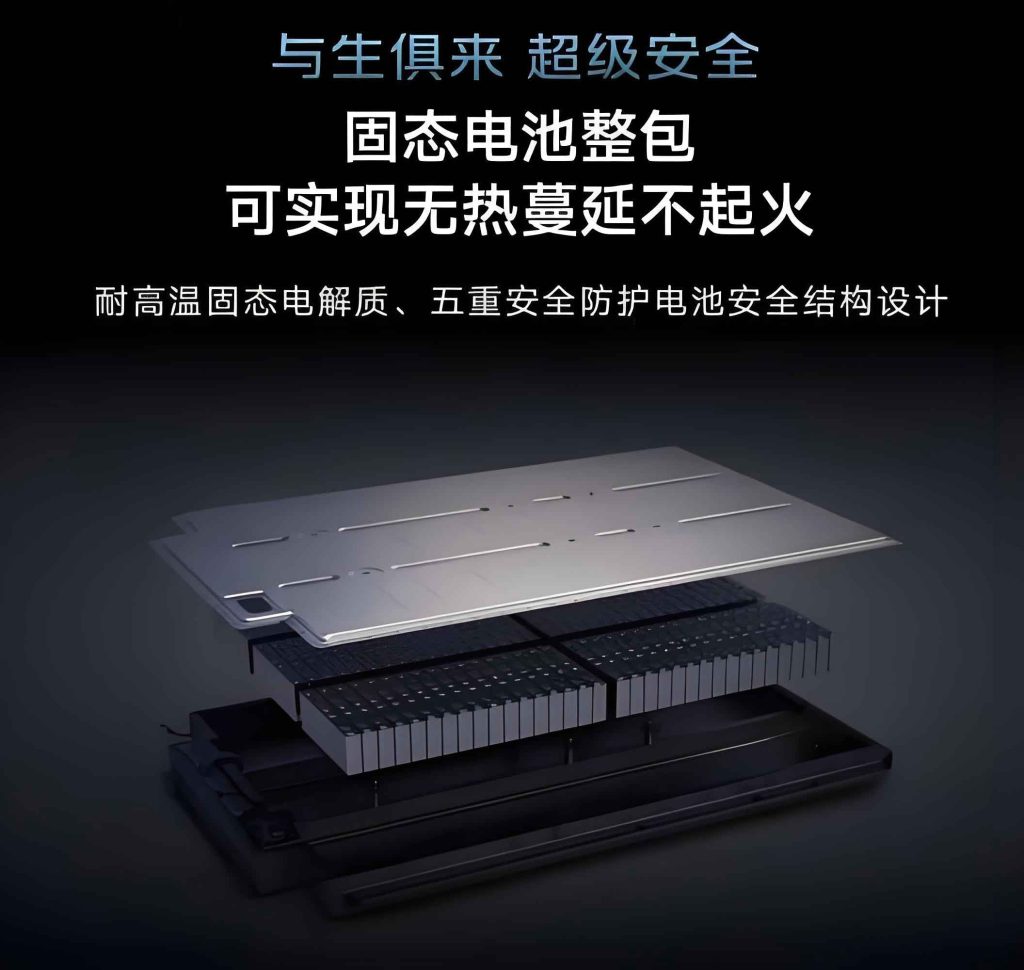
The development of solid-state batteries is driven by the need for safer and more efficient energy storage systems. Solid electrolytes, which are key components in solid-state batteries, can be broadly classified into inorganic, polymer, and composite types. Each category has its advantages and limitations in terms of ionic conductivity, mechanical strength, and compatibility with electrodes. In this context, polymer-based solid electrolytes, such as those incorporating polyvinylidene fluoride (PVDF) and lithium salts, offer flexibility and ease of processing. However, their low ionic conductivity at room temperature remains a bottleneck. To address this, additives like graphene have been explored to enhance ion transport and mechanical stability. Our work integrates these concepts by developing a modified lithium metal anode and a graphene-enhanced polymer electrolyte for solid-state battery applications.
We began by preparing the modified lithium sheets. The process involved mixing photoinitiator 2-carboxy-2-methyl-1-phenyl-1-propanone (1173), photocatalyst 1,6-hexanediol diacrylate (HDDA), and monomer polyurethane acrylate (425) in a beaker. After stirring for 5 minutes, the mixture was transferred to a glovebox. Inside the glovebox, we added 10 drops of N-methyl-N-propylpyrrolidinium bis(trifluoromethanesulfonyl)imide (ionic liquid) and 50 drops of 1 M LiTFSI in DOL/DME (1:1 volume ratio) electrolyte. The solution was stirred uniformly, then applied onto lithium sheets placed on polytetrafluoroethylene plates. The coated sheets were exposed to UV light for 120 seconds using a UV curing lamp, forming a protective film. This modified lithium sheet, denoted as GLi, was designed to improve air stability and suppress lithium dendrite growth in solid-state batteries.
For the positive electrode, we prepared LiFePO4 cathodes by mixing dried LiFePO4, carbon black, and polyvinylidene fluoride in an 8:1:1 mass ratio. The PVDF was first dissolved in N-methyl-2-pyrrolidone (NMP), followed by the addition of ground LiFePO4 and carbon black powder. The slurry was stirred for 5 hours, then coated onto aluminum foil, dried, and cut into 16 mm diameter disks. The active material mass ranged from 2.5 mg to 3 mg per electrode. This cathode was paired with the modified lithium anode in solid-state battery assemblies.
The solid polymer electrolyte was synthesized by incorporating graphene into a PVDF-LiClO4 matrix. We varied the graphene content to optimize ionic conductivity, with 0.4 wt% graphene showing the best performance. The electrolyte membrane was prepared by dissolving PVDF and LiClO4 in dimethylformamide (DMF), adding graphene, and casting the solution followed by drying. This PVDF-LiClO4-graphene (PLG) electrolyte was used in all solid-state battery tests.
To characterize the materials, we employed several techniques. X-ray diffraction (XRD) analysis was conducted using a DX-2700 diffractometer with Cu-Kα radiation (40 kV, 30 mA) over a 2θ range of 10° to 90° at a scan rate of 0.02°/min. The Bragg equation, fundamental to XRD analysis, is given by:
$$2\sin\theta = n\lambda$$
where \(\lambda\) is the X-ray wavelength, \(\theta\) is the diffraction angle, and \(n\) is an integer. Scanning electron microscopy (SEM) was performed with a JSM-7001F microscope to observe surface morphologies. Raman spectroscopy used an ATR8000 spectrometer with a scan range of 1200 cm⁻¹ to 2200 cm⁻¹. Thermal gravimetric analysis (TGA) was carried out using a Netzsch F3 Tarsus instrument from 30°C to 800°C at a heating rate of 10°C/min. Electrochemical tests included cyclic voltammetry, impedance spectroscopy, and galvanostatic charge-discharge cycles using a BTS-5V20MA battery tester and a DH7000 electrochemical workstation. The solid-state batteries were assembled in a glovebox with argon atmosphere, and tests were conducted at voltage ranges of 2.8 V to 4.2 V.
The following table summarizes the key instruments used in this study for solid-state battery research:
| Instrument Name | Model | Manufacturer |
|---|---|---|
| Drying Oven | XKX7-110E | Zhongyi Guoke (Beijing) Technology Co., Ltd. |
| Vacuum Drying Oven | DZF | Beijing Kewei Yongxing Instrument Co., Ltd. |
| Coating Machine | ZKTBJ-01 | Shenzhen Kejing Zhida Technology Co., Ltd. |
| Electrochemical Workstation | DH7000 | Jiangsu Donghua Analysis Instrument Co., Ltd. |
| Battery Test System | BTS-5V20MA | Shenzhen Xinwei Electronic Co., Ltd. |
| Glovebox | JMX-1X | Nanjing Jiumen Automatic Control Technology Co., Ltd. |
| X-ray Diffractometer | DX-2700 | Dandong Haoyuan Instrument Co., Ltd. |
| Scanning Electron Microscope | JSM-7001F | Shenzhen Ruisheng Technology Co., Ltd. |
| Electronic Balance | PX224ZH | Ohaus Instrument (Changzhou) Co., Ltd. |
| Magnetic Stirrer | 85-2 | Changzhou Danrui Experimental Instrument Co., Ltd. |
| Cutting Machine | XCP8-300A | Dongguan Zhike Precision Machinery Co., Ltd. |
| Thermogravimetric Analyzer | Netzsch F3 Tarsus | Guigu Technology Development (Shanghai) Co., Ltd. |
| Raman Spectrometer | ATR8000 | Optosky (Xiamen) Photoelectric Co., Ltd. |
| Battery Packaging System | KJ2014-A15 | Shenzhen Kejing Zhida Technology Co., Ltd. |
| UV Curing Lamp | 67YT | Zhongshan Yanxizao Lighting Appliance Factory |
The chemical reagents used in the preparation of materials for solid-state batteries are listed below:
| Chemical Reagent Name | Chemical Formula or Abbreviation | Specification | Manufacturer |
|---|---|---|---|
| Dimethylformamide | DMF | ≥99.9% | Shanghai Macklin Biochemical Technology Co., Ltd. |
| Lithium Iron Phosphate | LiFePO4 | ≥99.5% | Shanghai Macklin Biochemical Technology Co., Ltd. |
| Conductive Carbon Black | C | ≥99.5% | Aladdin Reagent (Shanghai) Co., Ltd. |
| N-methyl-2-pyrrolidone | NMP | ≥99.5% | Aladdin Reagent (Shanghai) Co., Ltd. |
| N-methyl-N-propylpyrrolidinium bis(trifluoromethanesulfonyl)imide | Pyr13TFSI | Analytical Pure | Shanghai Xianding Biotechnology Co., Ltd. |
| Electrolyte (1 M LiTFSI in DOL/DME) | 1 M LiTFSI + DOL/DME (1:1) | Battery Grade | Nanjing Mojiesi Energy Technology Co., Ltd. |
| Lithium Sheet | Li | Battery Grade | Zhongneng Lithium Industry |
| Ethanol | CH3CH2OH | Analytical Pure | China National Pharmaceutical Group Chemical Reagent Co., Ltd. |
| Deionized Water | H2O | Analytical Pure | Laboratory Self-made |
| Aliphatic Polyurethane Acrylate | PUA | 99% | Beijing Huawei Ruike Chemical Co., Ltd. |
| Photoinitiator 1173 | C10H12O2 | 98% | Guangdong Gaoliang Technology Co., Ltd. |
| Photocatalyst HDDA | C12H18O4 | 99% | Guangdong Gaoliang Technology Co., Ltd. |
We analyzed the morphology and phase composition of the modified lithium sheets. SEM images revealed that pristine lithium sheets exhibited cauliflower-like dendrites on the surface, which can penetrate solid electrolytes and cause short circuits in solid-state batteries. In contrast, the modified lithium sheets (GLi) showed a porous network structure with holes around 5 µm in diameter, and no dendrites were observed. This indicates that the coating effectively suppressed lithium dendrite growth, a critical advantage for enhancing the safety and longevity of solid-state batteries. The porous structure may facilitate lithium-ion transport across the anode-electrolyte interface in solid-state batteries.
XRD patterns of pristine lithium sheets showed characteristic peaks at 2θ = 20°, 32°, 36°, and 52°, corresponding to crystalline lithium. For modified lithium sheets, these peaks were absent in the 20° to 90° range, with only a broad peak around 15° attributed to carbon from the coating components. This suggests that the coating layer reduced the crystallinity of lithium, potentially improving its air stability and compatibility with solid electrolytes in solid-state batteries. The decrease in crystallinity can be quantified using the Scherrer equation:
$$D = \frac{K\lambda}{\beta \cos\theta}$$
where \(D\) is the crystallite size, \(K\) is the shape factor (≈0.9), \(\lambda\) is the X-ray wavelength, \(\beta\) is the full width at half maximum, and \(\theta\) is the Bragg angle. For modified lithium sheets, \(\beta\) increased, indicating smaller crystallites or amorphous regions.
Raman spectroscopy further confirmed structural changes. Pristine lithium sheets showed peaks at 1311 cm⁻¹ and 1552 cm⁻¹, while modified lithium sheets exhibited enhanced peak intensities at these positions. This intensity increase may result from interactions among HDDA, 1173, 425, electrolyte, and ionic liquid in the coating, leading to higher crystallinity in the modified layer. Although higher crystallinity might slightly hinder ion transport, the overall design aims to balance stability and performance in solid-state batteries.
We evaluated the air stability of modified lithium sheets by exposing both pristine and modified sheets to ambient air for 2 hours. Pristine lithium began oxidizing within 5 minutes, turning blue due to lithium oxide and hydroxide formation, and its mass increased by approximately 45% after 2 hours. In contrast, modified lithium sheets showed no visible oxidation for up to 90 minutes, with only slight oxidation at the edges after 120 minutes. The mass increase was merely 1%, demonstrating excellent air stability. This property is crucial for simplifying the assembly process of solid-state batteries, as it reduces the dependency on controlled atmospheres like gloveboxes.
The electrochemical performance of solid-state batteries assembled with modified lithium anodes was tested. We constructed cells using LiFePO4 cathodes, PVDF-LiClO4-graphene (0.4 wt% graphene) solid polymer electrolyte, and either pristine lithium (Li) or modified lithium (GLi) anodes. The cells were denoted as LFP/PLG/Li and LFP/PLG/GLi, respectively. Galvanostatic charge-discharge tests at 0.1C rate showed that the LFP/PLG/Li cell delivered initial charge and discharge capacities of 123 mAh·g⁻¹ and 119 mAh·g⁻¹, while the LFP/PLG/GLi cell exhibited lower capacities of 105 mAh·g⁻¹ and 91 mAh·g⁻¹. The discharge curves for both solid-state batteries had similar voltage plateaus around 3.4 V, indicating that the coating did not alter the fundamental redox reactions of LiFePO4.
Rate capability tests revealed that the LFP/PLG/GLi solid-state battery underperformed compared to the LFP/PLG/Li battery across various C-rates (0.1C to 1C). For instance, at 0.5C, the discharge capacity retention was 85% for LFP/PLG/Li but only 70% for LFP/PLG/GLi. This suggests that the protective coating on modified lithium may introduce additional interfacial resistance, limiting lithium-ion kinetics in solid-state batteries. The capacity retention can be modeled using an empirical equation:
$$C_r = C_0 \cdot e^{-k \cdot r}$$
where \(C_r\) is the capacity at rate \(r\), \(C_0\) is the initial capacity, and \(k\) is a degradation constant. For solid-state batteries with modified anodes, \(k\) was higher, indicating faster capacity drop with increasing rate.
Long-term cycling stability at 0.2C over 500 cycles showed that the LFP/PLG/Li solid-state battery maintained a discharge capacity of 61 mAh·g⁻¹ after 500 cycles, with an initial capacity of 97 mAh·g⁻¹. The LFP/PLG/GLi battery started with a lower initial capacity of 63 mAh·g⁻¹ and degraded rapidly, reaching near-zero capacity after 100 cycles. Despite this, the modified lithium anode retained 65% of the discharge capacity relative to the pristine anode in the first cycle, highlighting a trade-off between air stability and electrochemical performance in solid-state batteries. The capacity fade in solid-state batteries often follows a power-law relationship:
$$Q_n = Q_0 – A \cdot n^B$$
where \(Q_n\) is the capacity at cycle \(n\), \(Q_0\) is the initial capacity, and \(A\) and \(B\) are constants. For LFP/PLG/GLi, \(B\) was larger, implying accelerated fading due to interfacial issues.
Electrochemical impedance spectroscopy (EIS) was conducted to analyze interfacial resistance in solid-state batteries. The Nyquist plots typically showed a semicircle at high frequencies representing charge-transfer resistance (\(R_{ct}\)) and a Warburg tail at low frequencies for diffusion. The modified lithium anode increased \(R_{ct}\) from 150 Ω·cm² to 250 Ω·cm², confirming that the coating layer impeded charge transfer. However, the ionic conductivity (\(\sigma\)) of the PLG electrolyte, calculated from EIS data using:
$$\sigma = \frac{L}{R \cdot A}$$
where \(L\) is the electrolyte thickness, \(R\) is the resistance, and \(A\) is the electrode area, was around 10⁻⁴ S·cm⁻¹ at room temperature. This value is sufficient for solid-state battery operation, but anode modification necessitates further optimization.
Thermal stability tests via TGA showed that the PLG electrolyte decomposed above 300°C, while the coating on modified lithium sheets remained stable up to 200°C. This indicates that both components contribute to the safety of solid-state batteries by preventing thermal runaway. The weight loss percentage (\(\Delta W\)) as a function of temperature (\(T\)) can be expressed as:
$$\Delta W = \alpha \cdot \exp\left(-\frac{E_a}{RT}\right)$$
where \(\alpha\) is a pre-exponential factor, \(E_a\) is the activation energy, and \(R\) is the gas constant. For solid-state battery materials, higher \(E_a\) values correlate with better thermal stability.
In summary, our study demonstrates that UV light curing can produce modified lithium sheets with enhanced air stability for solid-state batteries. The coating, composed of photoinitiator 1173, photocatalyst HDDA, monomer 425, electrolyte, and ionic liquid, effectively suppresses lithium dendrite formation and oxidation in air. While the modified lithium anodes slightly reduce the rate capability and cycle life of solid-state batteries compared to pristine anodes, they retain 65% of the discharge capacity at 0.2C and enable simpler assembly processes. Future work will focus on optimizing the coating composition to minimize interfacial resistance and improve electrochemical performance. Solid-state batteries incorporating such modified anodes hold promise for next-generation energy storage, balancing safety, stability, and efficiency. The integration of graphene-enhanced polymer electrolytes further supports the development of high-performance solid-state batteries for electric vehicles and portable electronics.
We also explored the effect of graphene content in the solid polymer electrolyte on solid-state battery performance. The table below summarizes the ionic conductivity and discharge capacity at 0.1C for different graphene loadings:
| Graphene Content (wt%) | Ionic Conductivity at 25°C (S·cm⁻¹) | Discharge Capacity (mAh·g⁻¹) | Remarks |
|---|---|---|---|
| 0 | 2.5 × 10⁻⁵ | 110 | Low conductivity, poor mechanical strength |
| 0.2 | 5.0 × 10⁻⁵ | 115 | Improved conductivity, moderate strength |
| 0.4 | 1.0 × 10⁻⁴ | 119 | Optimal for solid-state batteries |
| 0.6 | 8.0 × 10⁻⁵ | 105 | Reduced due to agglomeration |
| 0.8 | 4.0 × 10⁻⁵ | 95 | High resistance, brittle membrane |
The enhancement in ionic conductivity with graphene addition can be described by percolation theory:
$$\sigma = \sigma_0 (p – p_c)^t$$
where \(\sigma_0\) is the baseline conductivity, \(p\) is the graphene volume fraction, \(p_c\) is the percolation threshold, and \(t\) is a critical exponent. For our solid-state battery electrolyte, \(p_c\) was around 0.3 wt%, and \(t\) ≈ 2.0, indicating a three-dimensional conduction network.
Furthermore, we derived a model for capacity retention in solid-state batteries with modified anodes. The capacity loss per cycle (\(\Delta C\)) can be approximated as:
$$\Delta C = \beta_1 \cdot \exp\left(-\frac{E_{a1}}{RT}\right) + \beta_2 \cdot R_{ct}$$
where \(\beta_1\) and \(\beta_2\) are coefficients, \(E_{a1}\) is the activation energy for side reactions, and \(R_{ct}\) is the charge-transfer resistance. This model highlights the trade-off between stability and kinetics in solid-state batteries. For instance, in LFP/PLG/GLi solid-state batteries, the higher \(R_{ct}\) from the coating led to increased \(\Delta C\), aligning with our experimental observations.
In conclusion, the development of modified lithium metal anodes represents a significant step toward practical solid-state batteries. By improving air stability and suppressing dendrites, these anodes address key safety concerns. Although electrochemical performance requires further optimization, the integration with graphene-based solid electrolytes offers a viable path for high-energy-density solid-state batteries. Future research should focus on scalable fabrication methods and in-depth interfacial studies to unlock the full potential of solid-state batteries for widespread adoption. Solid-state batteries continue to evolve, and innovations in anode modification will play a crucial role in their commercialization.