
The graduation ceremony for the first cohort of the Shenzhen Electric Vehicle Master Study Program has been held at Shenzhen Polytechnic University, marking a further step in cross-border cooperation to build electric vehicle talent for APEC economies and beyond. The program brought trainees from Singapore to Shenzhen for intensive study and practical exposure to electric vehicle diagnostic technology, industrial systems and the pace of development in Shenzhen’s electric vehicle and new energy vehicle sector.
Huang Jiwei, vice dean of the School of Engineering at Temasek Polytechnic in Singapore, said the training period was not long but the content was highly substantive. Trainees from Singapore not only encountered cutting-edge electric vehicle diagnostic technology in Shenzhen but also gained a deeper sense of the vitality and development speed of Shenzhen’s electric vehicle industry. The comment reflects a wider trend: as the global electric vehicle industry accelerates, demand for international technical talent continues to rise, and vocational education cooperation is becoming an important channel for sharing electric vehicle standards, teaching resources and industry practices.
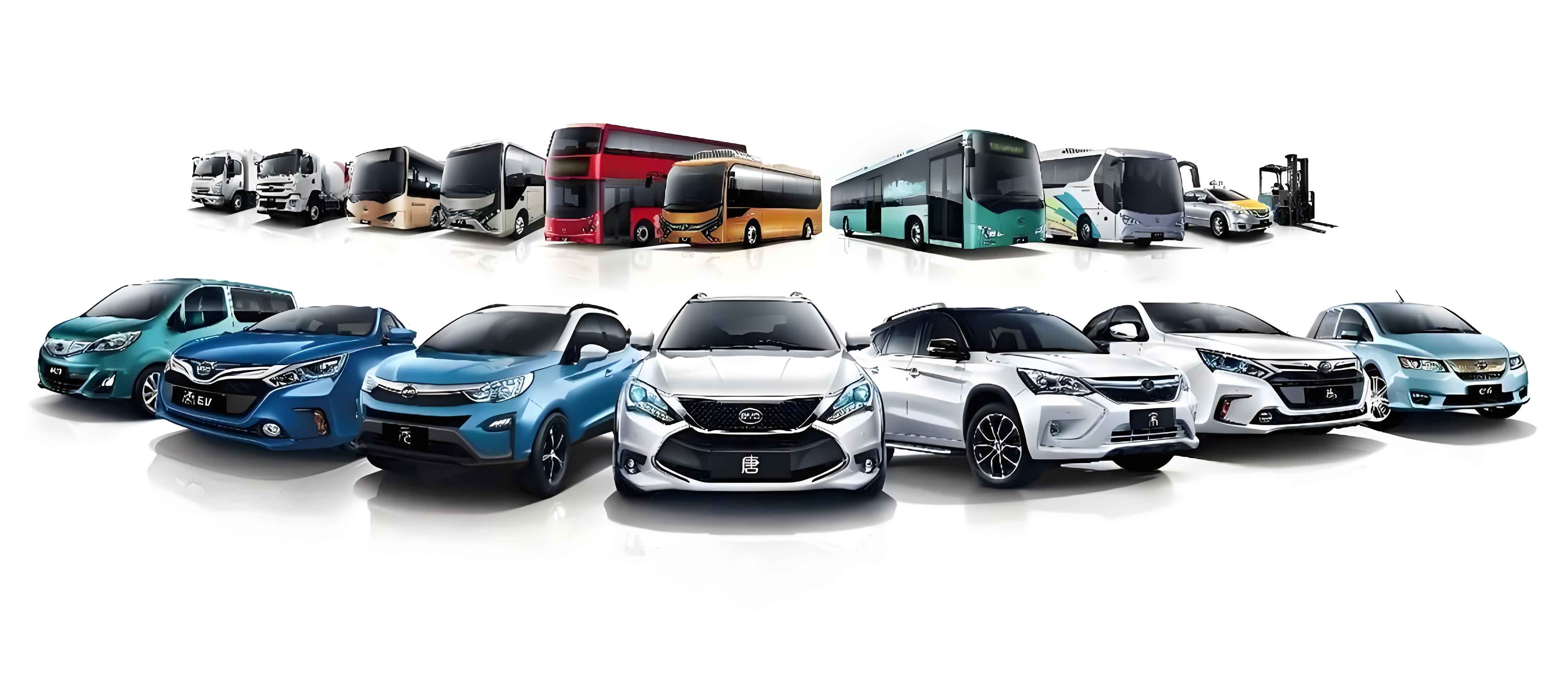
Shenzhen Polytechnic University has responded to this demand by relying on the Shenzhen Digital Workshop and working with leading enterprises to jointly build the New Energy Vehicle Overseas Engineering Technology College. The model sends a dual-track training approach combining Chinese language learning with vocational skills to overseas settings. From classrooms to workshops, and from Shenzhen to the world, Chinese vocational education standards are being implemented overseas step by step, with electric vehicle training as a prominent area of cooperation.
1. A Graduation That Highlights Electric Vehicle Talent Demand
The Shenzhen Electric Vehicle Master Study Program is a deep collaboration between Shenzhen Polytechnic University and Temasek Polytechnic in Singapore in the field of electric vehicle technology. The first cohort opened on August 31 at the automotive school of Shenzhen Polytechnic University. Among the 19 trainees from Singapore were experienced technicians who had worked for years in frontline vehicle maintenance and technical backbones who arrived with questions about industrial transformation.
The trainees learned safe operation and the use of diagnostic equipment, and they also developed an intuitive understanding of the electric vehicle technical system and the electric vehicle industrial ecosystem. This combination of safety, diagnostics, systems understanding and industry exposure is central to electric vehicle vocational training. It also shows why electric vehicle talent development cannot be limited to classroom theory: the electric vehicle industry requires technicians who can handle high-voltage safety, identify faults, use diagnostic tools, understand battery, motor and electronic control systems, and adapt to rapidly changing electric vehicle products and services.
The cooperation with Singapore is not the first international engagement by the automotive school of Shenzhen Polytechnic University. Cui Hongwei, deputy dean of the school, and teachers from the institution have been invited to Thailand, Singapore, Peru, Brazil, Australia and New Zealand to cooperate with local institutions on training local maintenance talent, providing overseas teaching faculty and transforming training resources. Such activities support the development of electric vehicle maintenance capabilities in different markets and help partners strengthen their own electric vehicle training systems.
In January 2022, Shenzhen Polytechnic University formed a team focused on the core elements of equipment development, resource development and technology transformation under the “education follows production” approach. Cui Hongwei served as team leader. The team worked with leading enterprises to launch the construction of an overseas talent supply chain. In the process of vocational education going global, teachers have improved their capabilities, gained a better understanding of overseas demand and market trends, and continued to optimize teaching methods. This two-way learning process is important for electric vehicle education because electric vehicle technology, electric vehicle service models and electric vehicle industry requirements vary across markets.
The graduation of the first Singapore cohort therefore represents more than the completion of a short program. It illustrates how electric vehicle training can be customized for overseas demand, how electric vehicle diagnostic skills can be taught through practical exposure, and how electric vehicle industry links can be strengthened through international vocational education cooperation. For APEC economies seeking to develop electric vehicle talent, such cooperation offers a practical way to connect industry needs with teaching resources.
2. Customized Training Brings Electric Vehicle Classrooms to Overseas Demand
If overseas training is understood as point-to-point technical output, the international exchange and cooperation team at Shenzhen Polytechnic University is also working to transform years of vocational education experience into replicable and scalable teaching resources and standards. The aim is to help Chinese electric vehicle technology move from going out to going in, meaning that electric vehicle standards, electric vehicle teaching materials and electric vehicle training methods become embedded in local education and industry systems.
To address shortcomings in overseas talent training, Shenzhen Polytechnic University independently developed electric vehicle training equipment suitable for overseas teaching. It also built an English-language virtual training resource library covering the three major systems of battery, motor and electronic control, and the two major business areas of maintenance and repair. These resources strongly support overseas institutions in transitioning from traditional vehicle maintenance to electric vehicle maintenance. The focus on battery, motor and electronic control reflects the core technical structure of electric vehicle systems, while the focus on maintenance and repair reflects the practical service needs of electric vehicle markets.
With the support of BYD, the Shenzhen Digital Workshop of Shenzhen Polytechnic University has cooperated with Thai applied universities, including a Thai technical college. The school and enterprise partners designed a “1+1+3” collaboration group model. Under this model, one mentor from Shenzhen Polytechnic University brings teaching experience, one BYD engineer brings industrial practice, and three Thai teachers bring familiarity with local demand. The three parties jointly develop courses. This model is significant for electric vehicle education because it combines pedagogical knowledge, electric vehicle industry experience and local market understanding. It also helps ensure that electric vehicle courses are not simply transplanted but are adapted to local electric vehicle training needs.
In February 2024, the international exchange and cooperation team of Shenzhen Polytechnic University visited the Thai Ministry of Education for exchanges. The two sides reached an agreement on electric vehicle teacher training. To date, 79 Thai teachers have obtained course certificates issued by the BYD Applied Technology College of Shenzhen Polytechnic University. This achievement shows how electric vehicle teacher training can create local capacity. Teachers who complete such training can continue to deliver electric vehicle courses, mentor students and support electric vehicle enterprises in their own markets.
The deeper influence lies in standards. Shenzhen Polytechnic University, together with BYD, developed internationally recognized teaching standards covering 4 professional directions and 28 skill modules. The institution also undertook professional curriculum standard development and training projects for Pakistan and other countries. The Shenzhen Digital Workshop Thailand model, which combines standard transformation with teacher training, has been extended to Uzbekistan, Peru and other countries. It has become a vivid example of Chinese vocational education standards going global, especially in electric vehicle-related training and electric vehicle technical education.
This standard-oriented approach matters because electric vehicle markets cannot grow sustainably without qualified technicians. Electric vehicle maintenance, electric vehicle diagnosis, electric vehicle safety management and electric vehicle after-sales service all require consistent training. When electric vehicle teaching standards are developed with enterprise involvement and adapted through local cooperation, they can support electric vehicle industry development in partner economies. They can also help enterprises build electric vehicle service networks and improve customer confidence in electric vehicle products.
3. School-Enterprise Cooperation Builds Internationally Recognized Electric Vehicle Teaching Standards
The cooperation between Shenzhen Polytechnic University and BYD illustrates how school-enterprise collaboration can support electric vehicle talent development at both the teaching and standards levels. BYD’s involvement brings electric vehicle industry practice into curriculum design, teacher training and overseas cooperation. Shenzhen Polytechnic University’s involvement brings vocational education experience, teaching methods and resource development capacity. Together, they create a framework that can support electric vehicle training in different countries.
The “1+1+3” collaboration group model is one example of how electric vehicle course development can combine different types of expertise. A mentor from Shenzhen Polytechnic University contributes teaching experience. A BYD engineer contributes electric vehicle industrial practice. Three local teachers contribute knowledge of local demand. This structure helps electric vehicle courses reflect real electric vehicle workshop requirements while remaining suitable for local learners. It also creates a mechanism for local teachers to participate in course development, which is important for long-term electric vehicle talent development.
The English-language virtual training resource library developed by Shenzhen Polytechnic University covers battery, motor and electronic control systems as well as maintenance and repair. These resources are designed to support overseas institutions in moving from traditional vehicle maintenance to electric vehicle maintenance. For many institutions, the transition to electric vehicle training requires not only new equipment but also new teaching materials, new safety protocols, new diagnostic exercises and new understanding of electric vehicle systems. The resource library addresses these needs by providing electric vehicle teaching content that can be used in overseas classrooms and workshops.
The development of internationally recognized teaching standards covering 4 professional directions and 28 skill modules provides a structured basis for electric vehicle training. Such standards can help partner institutions organize electric vehicle courses, assess electric vehicle skills and align electric vehicle training with industry requirements. The fact that Shenzhen Polytechnic University has undertaken curriculum standard development and training projects for Pakistan and other countries shows that electric vehicle vocational education cooperation is extending beyond short-term training into longer-term standard development.
The extension of the Shenzhen Digital Workshop Thailand model to Uzbekistan, Peru and other countries indicates that the model has potential for adaptation across different markets. For electric vehicle industries in these markets, the value lies in combining standard transformation with teacher training. Electric vehicle standards alone are not enough if teachers cannot deliver them. Electric vehicle teacher training alone is not enough if it is not connected to clear standards. The combination creates a more sustainable approach to electric vehicle talent development.
This approach also supports enterprises. As electric vehicle companies expand overseas, they need local technicians who understand electric vehicle products, electric vehicle maintenance procedures and electric vehicle safety requirements. School-enterprise cooperation can help enterprises contribute to electric vehicle training standards while benefiting from a more capable local electric vehicle workforce. In this sense, electric vehicle vocational education cooperation is not separate from electric vehicle industrial cooperation; the two reinforce each other.
4. Local Capacity Building Links Electric Vehicle Technology With Language
For overseas electric vehicle industries to develop over the long term, they need more than external support. They need local capacity building. Shenzhen Polytechnic University has worked with industry enterprises to carry out the Global Competency Empowerment Training Camp and the Electric Vehicle Overseas Training Camp. Enterprises provided 108 positions in overseas business divisions covering Europe, South America, the Middle East and Africa, Southeast Asia and North America. The school and enterprise partners jointly conducted intensive training for 82 students.
At the same time, Shenzhen Polytechnic University carried out a bilingual teaching pilot for core courses in the electric vehicle professional group and later upgraded it to full English teaching courses. It developed corresponding courseware, animations, micro-lessons and virtual simulation resources. The volume of high-quality English teaching resources reached 1,200, and 5 courses were developed into international courses with considerable influence. These resources support electric vehicle teaching for international learners and help partners access electric vehicle course content in English.
In May 2025, the electric vehicle professional team of Shenzhen Polytechnic University and the BYD Middle East and Africa business division decided to jointly build a Chinese Language Workshop relying on the BYD Middle East Technical Training Center. The project innovates a dual-track training model combining technology and language. It develops Chinese-Arabic bilingual electric vehicle technical courses, cultivates the professional skills of local employees in the Middle East, and promotes cross-cultural communication through Chinese language teaching. The aim is to supply composite talent who understand both electric vehicle technology and language to BYD’s Middle East production bases and overseas cooperative enterprises.
This language-plus-technology approach is important for electric vehicle cooperation. Electric vehicle technicians often need to communicate with international teams, read electric vehicle technical materials, follow electric vehicle service procedures and participate in electric vehicle training. Language support can improve cross-cultural communication and help local employees engage more deeply with electric vehicle technology and electric vehicle enterprise operations. At the same time, technical training ensures that language learning is connected to real electric vehicle work tasks.
From 2023 to 2025, the automotive school of Shenzhen Polytechnic University carried out 5 international teacher exchange projects and sent outstanding teachers abroad for training 20 person-times. These activities improved the professional knowledge and teaching skills of teachers in overseas institutions in the electric vehicle field. Teacher exchange is a key part of local capacity building because trained teachers can continue to deliver electric vehicle courses, update electric vehicle teaching content and support electric vehicle students and enterprises over time.
Shenzhen Polytechnic University and its enterprise partners have strengthened the overseas application of Chinese technical standards and used language as a bridge to deepen international market recognition of China’s industrial chain. For electric vehicle cooperation, this means that electric vehicle standards, electric vehicle teaching resources, electric vehicle teacher training and electric vehicle language support are being connected into a broader system. The system supports electric vehicle talent development while also supporting electric vehicle enterprises as they expand into overseas markets.
5. Table: Disclosed Elements of Electric Vehicle Vocational Education Cooperation
| Disclosed element | Detail |
|---|---|
| First Singapore electric vehicle study program cohort | 19 trainees from Singapore at Shenzhen Polytechnic University |
| Overseas cooperation team formation | January 2022, covering equipment development, resource development and technology transformation |
| Electric vehicle virtual training resource library | English-language resources covering battery, motor and electronic control systems, plus maintenance and repair |
| School-enterprise collaboration model with Thai partners | “1+1+3” model: one Shenzhen Polytechnic University mentor, one BYD engineer and three Thai teachers |
| Thai teacher certificates | 79 Thai teachers obtained course certificates from the BYD Applied Technology College of Shenzhen Polytechnic University |
| International teaching standards | 4 professional directions and 28 skill modules |
| Overseas electric vehicle positions | 108 positions in overseas business divisions covering Europe, South America, the Middle East and Africa, Southeast Asia and North America |
| Students in intensive training | 82 students trained jointly by the school and enterprises |
| English teaching resources | 1,200 high-quality English teaching resources and 5 international courses |
| Chinese Language Workshop | May 2025 cooperation with BYD Middle East and Africa business division and BYD Middle East Technical Training Center |
| International teacher exchange | 2023 to 2025: 5 projects and 20 person-times of outstanding teachers sent abroad for training |
| Standard extension | Shenzhen Digital Workshop Thailand model extended to Uzbekistan, Peru and other countries |
The table shows that electric vehicle vocational education cooperation covers multiple layers: short-term electric vehicle training, electric vehicle teaching resources, electric vehicle standards, electric vehicle teacher training, electric vehicle language support and electric vehicle enterprise talent supply. These layers are connected. Electric vehicle training programs can introduce learners to electric vehicle diagnostic technology and electric vehicle industry practice. Electric vehicle resource libraries can support overseas institutions in building electric vehicle courses. Electric vehicle standards can provide structure for electric vehicle skills development. Electric vehicle teacher training can create local capacity. Electric vehicle language support can improve cross-cultural communication in electric vehicle enterprises and electric vehicle training settings.
6. Wider Significance for Electric Vehicle Industries and APEC Economies
The cooperation described above has wider significance for electric vehicle industries and APEC economies. Electric vehicle markets are expanding, electric vehicle technology is iterating rapidly, and electric vehicle enterprises need technicians who can work across electric vehicle maintenance, electric vehicle diagnosis, electric vehicle safety and electric vehicle service systems. At the same time, electric vehicle education systems in different economies face different starting points. Some have strong traditional vehicle training but need to update to electric vehicle systems. Some have growing electric vehicle markets but limited electric vehicle teacher capacity. Some have electric vehicle enterprises expanding overseas but need local electric vehicle talent.
International vocational education cooperation can help address these gaps. When electric vehicle training is customized for overseas demand, electric vehicle learners can engage with electric vehicle diagnostic technology and electric vehicle industry practice in ways that are relevant to their local markets. When electric vehicle teaching resources are developed in English and adapted through local partnerships, electric vehicle institutions can adopt and localize electric vehicle content more effectively. When electric vehicle standards are developed with enterprise involvement, electric vehicle training can align more closely with electric vehicle industry requirements. When electric vehicle teacher training is prioritized, electric vehicle capacity can be sustained locally.
The Shenzhen Electric Vehicle Master Study Program and related cooperation show how electric vehicle talent development can connect Shenzhen’s electric vehicle industry ecosystem with partners in APEC economies. The program’s focus on safety operation, diagnostic equipment, electric vehicle technical systems and electric vehicle industrial ecology reflects the practical nature of electric vehicle vocational education. The involvement of Temasek Polytechnic in Singapore and the participation of 19 trainees illustrate the demand for electric vehicle training that combines classroom learning with workshop exposure.
The cooperation with Thailand, including the “1+1+3” model and the training of 79 Thai teachers, shows how electric vehicle teacher capacity can be built through school-enterprise partnerships. The development of electric vehicle teaching standards covering 4 professional directions and 28 skill modules shows how electric vehicle training can move from individual courses toward structured standards. The extension of the Shenzhen Digital Workshop Thailand model to Uzbekistan, Peru and other countries shows that electric vehicle vocational education cooperation can be adapted across different markets.
The Global Competency Empowerment Training Camp and the Electric Vehicle Overseas Training Camp, with 108 overseas business division positions and 82 students in intensive training, show how electric vehicle talent supply can be linked to electric vehicle enterprise expansion. The development of 1,200 English teaching resources and 5 international courses shows how electric vehicle teaching content can be scaled for international use. The Chinese Language Workshop with BYD Middle East and Africa business division, launched in May 2025, shows how electric vehicle technology and language training can be combined to prepare composite talent for electric vehicle production bases and overseas cooperative enterprises.
For APEC economies, such cooperation can support electric vehicle industry growth by strengthening local electric vehicle talent. Electric vehicle enterprises need local technicians who can maintain electric vehicle products, diagnose electric vehicle faults, follow electric vehicle safety procedures and communicate with international teams. Electric vehicle education institutions need electric vehicle teaching resources, electric vehicle standards and electric vehicle teacher training. Electric vehicle learners need electric vehicle courses that connect to real electric vehicle industry practice. The cooperation model described here addresses these needs through multiple channels.
The phrase “from going out to going in” captures an important shift. Electric vehicle standards and electric vehicle teaching resources do not become sustainable simply by being exported. They need to be understood, adapted and embedded in local electric vehicle education and electric vehicle industry systems. The combination of standard transformation and teacher training in the Shenzhen Digital Workshop Thailand model reflects this shift. The “1+1+3” model reflects this shift by involving local teachers in course development. The Chinese Language Workshop reflects this shift by combining electric vehicle technical training with language support for cross-cultural communication.
As the global electric vehicle industry continues to develop, electric vehicle vocational education cooperation is likely to remain important for APEC economies. The demand for electric vehicle talent is not limited to electric vehicle manufacturing. It extends to electric vehicle maintenance, electric vehicle repair, electric vehicle diagnostics, electric vehicle safety management, electric vehicle after-sales service and electric vehicle supply chains. Each of these areas requires electric vehicle training that is practical, standards-based and connected to electric vehicle industry practice.
The cooperation between Shenzhen Polytechnic University, Temasek Polytechnic, BYD and partners in Thailand, Pakistan, Uzbekistan, Peru and other markets shows how electric vehicle education can be developed through international partnerships. It also shows how electric vehicle standards can be supported by electric vehicle teaching resources, electric vehicle teacher training and electric vehicle language programs. The result is a broader framework for electric vehicle talent development that can support electric vehicle industries in APEC economies and beyond.
In this framework, electric vehicle training is not a standalone activity. Electric vehicle courses are linked to electric vehicle equipment, electric vehicle resource libraries, electric vehicle standards, electric vehicle teacher development and electric vehicle enterprise needs. Electric vehicle learners are prepared for electric vehicle workplaces. Electric vehicle teachers are supported to deliver electric vehicle content. Electric vehicle enterprises gain access to local electric vehicle talent. Electric vehicle standards are adapted through local cooperation. This interconnected approach is what gives the cooperation its long-term value.
The graduation of the first Shenzhen Electric Vehicle Master Study Program cohort is therefore a visible milestone in a wider process. It shows that electric vehicle training can bring learners from an APEC economy to Shenzhen for practical electric vehicle study. It shows that electric vehicle diagnostic technology and electric vehicle industry exposure can be combined in a short but substantive program. It also shows that electric vehicle vocational education cooperation can contribute to the development of composite talent who understand electric vehicle technology, electric vehicle industry practice and cross-cultural communication.
As electric vehicle markets continue to expand, the need for electric vehicle talent will continue to rise. The cooperation model described here offers a practical example of how electric vehicle vocational education can support that need. By combining electric vehicle training, electric vehicle standards, electric vehicle teaching resources, electric vehicle teacher development and electric vehicle language support, partners can help electric vehicle industries build local capacity and help electric vehicle learners prepare for real electric vehicle workplaces. This is the broader significance of the cooperation for APEC economies and for the global electric vehicle industry.